National Space Day 2024: A celebration of India's odyssey beyond earth
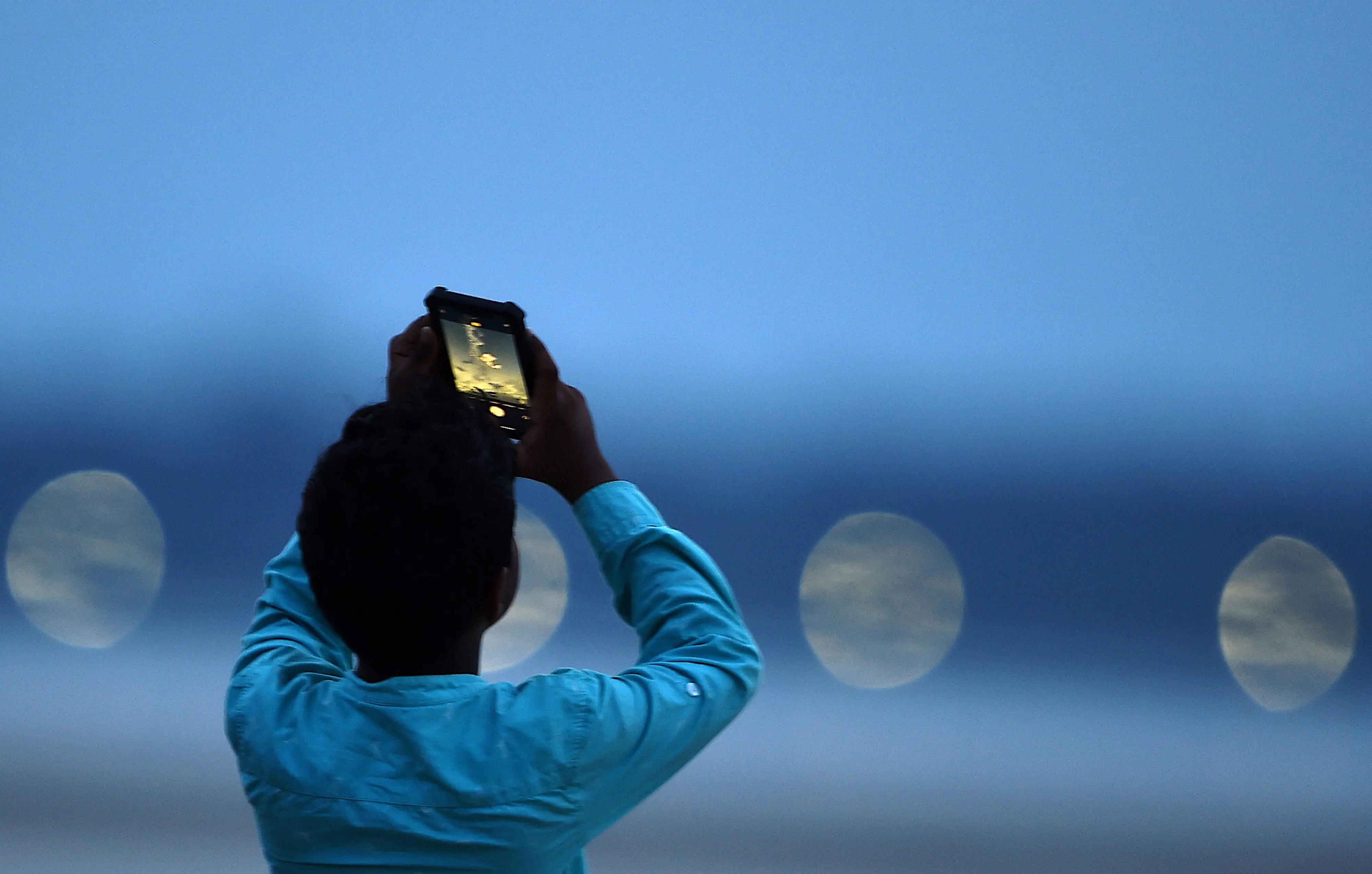
India is celebrating its first 'National Space Day' on August 23, 2024. The day honours the historic successful landing of Chandrayaan-3's Vikram Lander at the 'Shiv Shakti' point on the Moon's south polar region in 2023, making India the first nation to achieve the feat. The nationwide celebration aims to engage and inspire young people in the field of space science and technology.
The successful approach behind all this was initiated in the 1960s by Vikram Sarabhai, who is often called the 'Father of India's Space Programme'. Sarabhai dismissed the notion that India needed to progress slowly through each stage of learning space flight. Instead, he advocated 'leapfrogging' using existing global knowledge and developing local expertise. What we see today is the result of 40 years of dedicated investment in this programme. Many once held the belief that the programme did not befit a developing country, but time has told a different story of hope.
India has effectively gathered, and combined, technologies from various countries to create unique technologies of its own.
Chandrayaan-3 is a great example of this approach. The Indian Space Research Organisation (ISRO) said that the mission cost of about $74 million (about Rs 610 crore) was surprisingly low for a spacecraft. This was partly achieved by using affordable off-the-shelf parts along with custom-made ones and by partnering with private companies for some development and manufacturing.
Private companies' participation in space projects is a new phenomenon for ISRO. The Narendra Modi government has encouraged the private sector to participate, which is uncommon for Indian government programmes.
In 2020, the government opened the doors of the space sector to private companies. On June 20 this year, Jitendra Singh, Union Minister for Science and Technology, told Parliament that India's space startups had increased from a measly one enterprise in 2022 to almost 200 by this year. He credited this increase to sectoral reforms.
India's space sector is, at present, valued at $8 billion, comprising roughly 2-3 per cent of the world’s space industry. The government aims for it to grow to $100 billion by 2040. Based on current figures, India’s space economy could reach $40 billion in the next 10 years.
As of January 2024, over 300 Indian companies have submitted 440 applications to IN-SPACe for support in the space industry, according to the Economic Survey, 2023-2024. IN-SPACe, an independent agency under the Department of Space (DoS), was established after the 2020 space reforms to encourage private sector involvement.
These applications from Indian companies requested help with authorizations, guidance, facility access, technology transfers and consultancy. By January 1, 2024, various private entities had signed 51 memorandums of understanding (MoUs) and 34 joint project plans to assist with space activities.
Touching Lives
The Centre is launching a month-long campaign to mark India’s first-ever 'National Space Day' -- celebrating India’s outstanding success in space projects and enthuse the nation’s young generation with the theme: 'Touching Lives while Touching the Moon: India's Space Saga'.
This theme underscores India’s commitment to not only achieve unique milestones, such as reaching the Moon, but also positively impact the everyday lives of its citizens.
Month-Long Celebration
A series of events countrywide will mark 'National Space Day'. These include:
* Presentations at the Bharat Mandapam: A major event at the Bharat Mandapam convention centre in New Delhi will launch the celebrations with prominent sessions, panel discussions and a lively cultural programme. The event will include a VVIP tour of space exhibits, key announcements and speeches by such important figures as the Secretary, DoS; the ISRO Chairman; and the IN-SPACe Chairman. The highlights will feature a report on the socio-economic benefits of India’s space programme, keynote speeches and discussions on space-enabled governance and future plans. Additionally, the event will showcase a film on Chandrayaan-3 and a special dance performance.
* Space on Wheels: Showcasing ISRO’s Vision: The ‘Space on Wheels’ initiative will involve mobile exhibition buses visiting universities and colleges across India. In partnership with Vijnana Bharati (ViBha), this project aims to share information about ISRO’s work and accomplishments. The exhibitions will showcase detailed models of launch pads, such missions as Chandrayaan-1 and Mangalyaan and such applications as remote-sensing and satellite communication. Interactive displays and hands-on activities will engage and educate both students and the general public.
* ISRO Space Tutors: Engaging and Educating: Registered Space Tutors of ISRO numbering 120 will hold outreach events countrywide, including discussions, quizzes and exhibitions. Supported by NGOs and educational institutions, these tutors aim to promote space education and spark scientific curiosity. Educational modules and digital content will enhance traditional classroom learning, giving students a deeper understanding of space science and technology.
* The ‘Bharathiya Antariksh Hackathon’ Event: ISRO’s ‘Bharathiya Antariksh Hackathon’ will invite students to create innovative solutions for space-related challenges. The competition will conclude with a final event where the top teams will showcase their ideas. Outstanding students from the finale will be offered internships at ISRO centres and the top three winners will present their projects during the ‘National Space Day’ celebrations.
* The ‘ISRO Robotics Challenge’ Event: The ‘ISRO Robotics Challenge, 2024,’ invites students to design, and present, robots capable of operating in extraterrestrial environments. Focusing on space robotics, the challenge encourages teams to tackle real-world issues and develop future technologies. The competition will comprise live demonstrations and end with an awards distribution ceremony.
The author of this article is a Defence and Aerospace Analyst based in Bengaluru.