Iran war’s deadly paradox: Military weakened but regime still standing
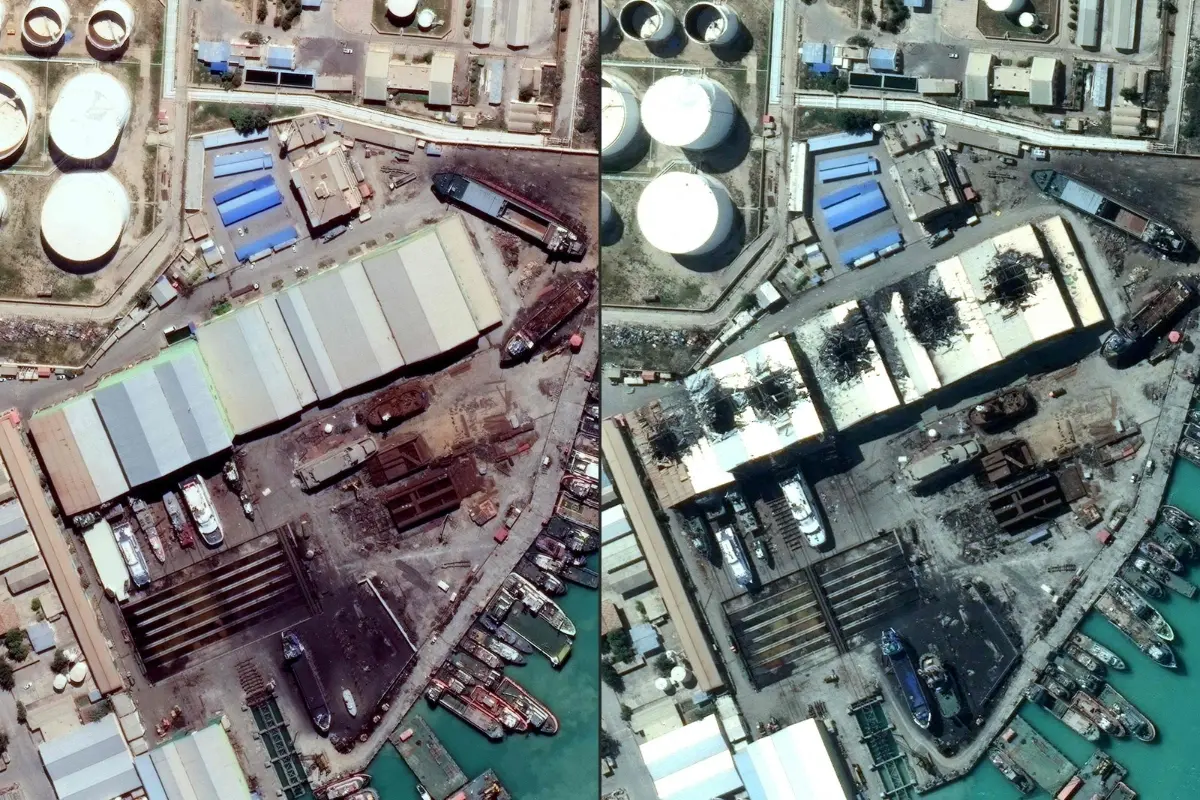
Nobody expected this war to be clean. Nobody expected it to be quick. And one week into the fighting between America, Israel, and Iran, the picture emerging from expert conversations is this — Iran is being badly hurt militarily, but the regime is still breathing. And that one fact is making everything complicated.
Let us start with the most basic question ordinary people are asking — who is winning? The honest answer is: America and Israel have clearly destroyed a large chunk of Iran's military hardware. They have taken out missile launch sites, killed senior IRGC (Iran's elite military force, like a combination of the Indian Army and intelligence services) commanders, and even targeted the Supreme Leader. Iran's ballistic missile count has dropped to well under a thousand. The drones coming from Iran are fewer in number compared to the first few days. Hezbollah, which used to fire forty to a hundred missiles in one go, sent just six this time. So militarily, Iran has taken serious damage.
But here is the uncomfortable truth that even supporters of this war are slowly realising — destroying someone's weapons is very different from destroying their will and ability to rule their own people. Iran's government is still functioning. The streets are not erupting in revolution. The 20% or so of Iranians who genuinely support this regime are still behind it. There is no organised opposition inside Iran ready to take over. There is no armed group waiting in the wings. The Americans are not prepared to send soldiers on the ground. So what exactly is the endgame? Nobody seems to have a clear answer.
This is what is called a war of attrition — both sides are slowly running out of weapons. Iran is running low on missiles. Israel and America are running low on interceptor missiles, the defensive weapons that shoot down incoming drones and rockets. When interceptors run low, even a few drones getting through can cause serious damage. So the war cannot go on at this pace for more than days or a very few weeks. But ending the fighting and changing the regime are two completely different things.
The most likely scenario, experts believe, is that this war ends without regime change. Meaning — Iran is battered, weakened, maybe internally fragile — but the same government will still be sitting in Tehran. And then what? Protests may break out. But the Iranian government has crushed protests before. And if America watches Iranians get shot in the streets after all this, it will look like a massive personal failure for President Trump.
Speaking of Trump — this war is already becoming a problem at home. Gas prices in America are the highest they have been under his entire period in power. Six American soldiers have already died. A majority of Americans do not fully understand why their country is in this war. Even many Republicans are not sure. This is not a war that was forced on America — it is a war of choice. And choices have consequences.
Also read | Israel–US war on Iran leaves India a silent spectator
The most heartbreaking detail from this entire conflict is the report of around 150 Iranian schoolchildren reportedly killed by what appears to have been a stray American missile. No military objective, no strategic importance — just children. That image, more than any missile count or drone number, is what the world will remember.
India too finds itself in an awkward spot. Prime Minister Modi visited Israel just days before the war began. Sri Lanka showed more public courage by offering safe port to an Iranian naval vessel that was heading home when it was sunk. India quietly provided humanitarian support but took 24 hours to even say so publicly, clearly because it did not want to upset Washington or Jerusalem, yet did not want to appear cold to the Iranian sailors who died.
For Gulf countries like UAE and Saudi Arabia, this war is deeply uncomfortable. Their airports, their hotels, their image as safe and peaceful places — all under threat. They depend entirely on America for security, but nobody asked them before this war started. As one well-known Emirati businessman publicly demanded of Trump — "Who gave you the authority to make us this vulnerable?"
China is watching quietly and benefiting. Russia is helping Iran with targeting information and enjoying high oil prices. Europe is angry at America for not even consulting them. NATO is in crisis. Britain's Prime Minister is facing domestic backlash for letting American bombers use British bases.
The most realistic ending to all of this is Trump eventually declaring victory — saying he has achieved everything any president ever could — and pulling back. Not because the objectives were met, but because continuing becomes too costly. The war will end not with a signed treaty, but with a tweet.
And the world after? It will not go back to what it was. Think more like the never-ending tensions between Israel and Gaza — a low fire that never fully goes out.
(Girish Linganna is an award-winning science communicator and a Defence, Aerospace & Geopolitical Analyst. He is the Managing Director of ADD Engineering Components India Pvt. Ltd., a subsidiary of ADD Engineering GmbH, Germany.)