Inside India’s life-saving fighter jet ejection system: DRDO’s test puts pilot safety first
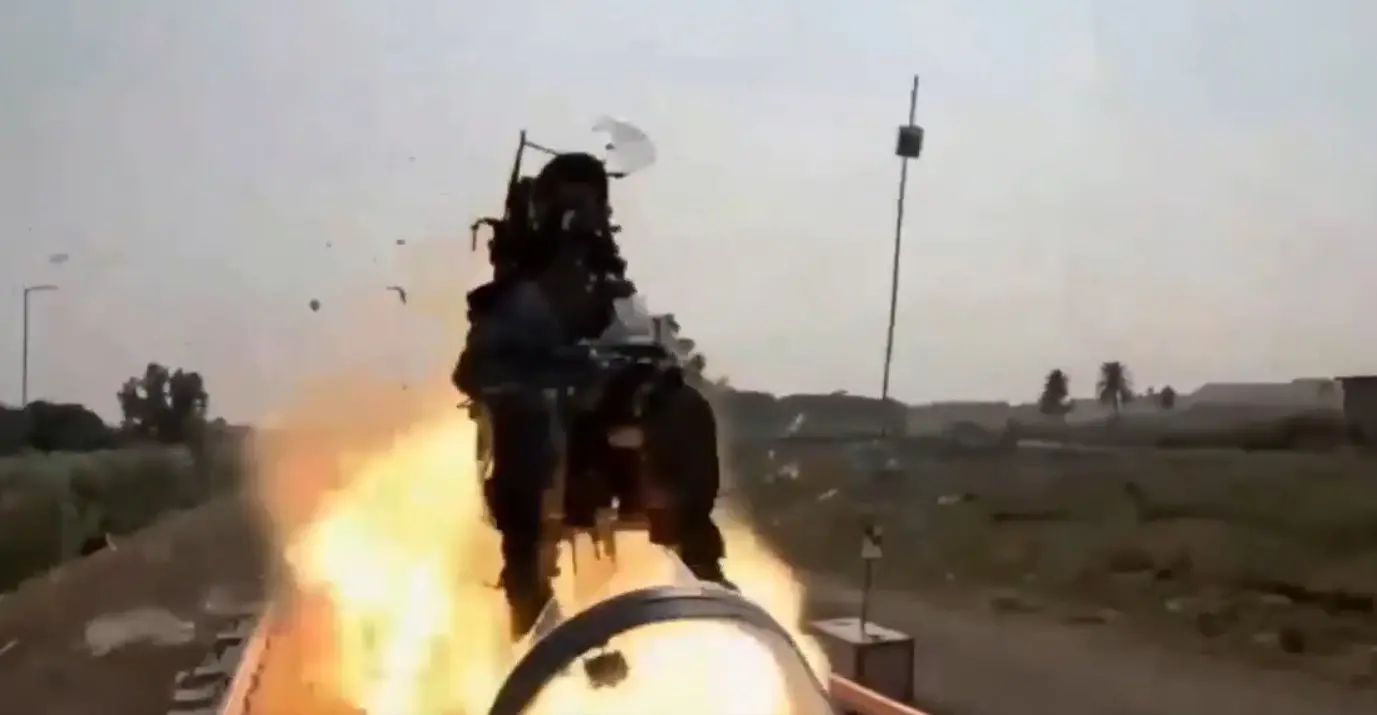
Imagine you're flying a fighter jet at incredible speed, and suddenly something goes terribly wrong. Your aircraft is damaged, and you have just seconds to escape before disaster strikes. This is where an ejection seat becomes your last hope, your guardian angel in the sky. Recently, DRDO, India's Defence Research and Development Organisation, successfully tested exactly such a life-saving system, and the results are promising for our brave pilots who risk their lives protecting our skies.
The test was conducted at a special facility called the Rail Track Rocket Sled, or RTRS for short. Now, you might wonder, what exactly is a rocket sled? Think of it as a powerful test vehicle that runs on railway tracks, but instead of an engine, it's propelled by rockets. It's like a bullet train on steroids, designed specifically to recreate the extreme conditions a fighter pilot faces during ejection, but safely on the ground rather than thousands of feet in the air. This makes testing much safer for everyone involved and significantly cheaper than using actual aircraft.
@DRDO_India conducts a successful high-speed rocket-sled test of fighter aircraft escape system @Arun_Golaya @nitingokhale @BharatShaktiBSI @stratnews_tech @StratNewsGlobal @abhilashtomy @Harpoonleader @JohnsonOdakkal pic.twitter.com/RRLMAcPh4X
— Captain DK Sharma (@CaptDKS) December 3, 2025
During this crucial test, the rocket sledge reached a controlled speed of 800 kilometres per hour. To put that in perspective, that's faster than most high-speed trains and roughly matches the speed of many fighter jets during critical flight situations. At such tremendous velocity, the escape system had to perform flawlessly, just as it would need to during a real emergency.
So what exactly happens when a pilot ejects? It's not as simple as just jumping out. First, the aircraft's canopy, the transparent cover over the cockpit, must be cut away or shattered. Then, within fractions of a second, the ejection seat fires upward like a rocket, launching the pilot clear of the aircraft. Finally, a parachute deploys to bring the pilot safely back to earth. All of this must happen in perfect sequence, in mere moments, or the consequences could be fatal.
The beauty of testing on a rocket sledge at TBRL, the Terminal Ballistics Research Laboratory, is that engineers can recreate the exact high speeds and enormous air pressure that fighter jets encounter in actual flight, but with complete control and precision. Scientists can observe every tiny detail, how the canopy separates, how quickly the ejection mechanism fires, how smoothly the parachute opens, and measure everything with scientific accuracy.
The success of this test proves that India's homegrown escape system technology works exactly as designed, even under the most demanding conditions. This is a matter of immense national pride because developing such sophisticated safety equipment requires years of research, advanced engineering knowledge, and countless hours of dedication from our scientists.
The data collected from this test will now be used to further refine and certify these pilot escape technologies for both our current fighter jets and future aircraft being developed in India. Think of it as fine-tuning a recipe until it's perfect. More tests will follow at different speeds, simulated altitudes, and various configurations to ensure that when the system is finally installed in combat aircraft, it will work perfectly every single time, because even a single malfunction could cost a pilot's life.
This achievement brings us one step closer to making our fighter aircraft safer and reducing dependence on foreign technology for critical defence equipment. For our pilots who defend our nation's borders, knowing that a reliable, thoroughly tested escape system has their back provides invaluable peace of mind as they fly into potentially dangerous situations. Every successful test like this one is ultimately about saving precious lives and strengthening India's self-reliance in defence technology.
The author is a Defence, Aerospace & Geopolitical Analyst