India stands firm on Russian oil: A message of economic self-respect
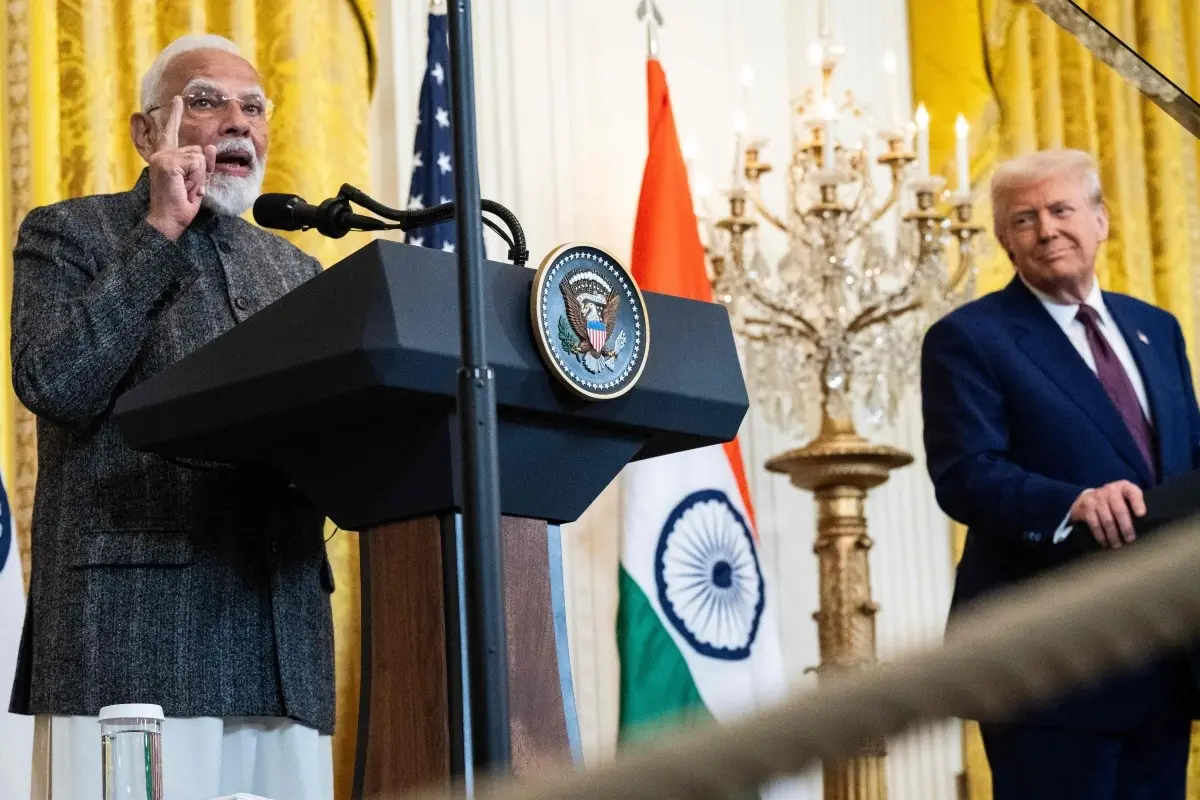
India today faces strong diplomatic pressure, especially after President Donald Trump claimed Prime Minister Modi agreed to stop buying Russian oil. India quickly denied this, clearly saying its oil trade is decided by national interest, not outside influence. The statement was not only a factual correction but also a message of sovereignty and self‑respect in policymaking.
Economic reality drives India’s choices
India needs to import about 88% of its crude oil, being the world’s third‑largest importer. In early 2022, Russian oil was not a major part of India’s basket. But as Europe stopped buying due to the Ukraine war, Russia offered discounts. India used this opening to keep fuel affordable at home. Now, Russian oil makes up about one‑third of India’s imports, helping manage growing energy demand and inflation.
Trump’s comments and U.S. tariffs have not changed India’s approach. After a small dip in September, Russian oil imports rose in October, showing India is not following American wishes. India’s economy, heavily dependent on oil, cannot risk sudden political choices that raise prices or weaken growth.
Practical, not political
India’s government and oil firms repeat that buying decisions depend on price and supply—not politics. Changing to other suppliers like the Middle East or America would not be easy or cheap. Many refineries are designed for Russian oil, and contracts and supply chains can’t be shifted instantly.
Buying elsewhere means higher costs, longer shipping, and uncertain supply. Russian oil stays cheaper, so it remains the logical choice—especially for private refiners who must keep profits stable. For state‑run companies, too, cost efficiency is the key factor.
Global and domestic impact
If India suddenly stopped Russian imports, global markets would tighten and prices would rise. For India, that would mean a bigger import bill, higher fuel prices, and rising inflation impacting citizens and businesses. Such pressure could also hurt growth and delay recovery after the pandemic.
India’s top priority is stable, affordable energy. The government knows abrupt changes create hardship at home and chaos globally. In today’s uncertain economy, India’s steady approach acts as a calming balance.
Strategic autonomy
India’s ties with Russia are historic and go far beyond oil—covering defence and technology. Abandoning Russia at another country’s wish could harm India’s image as an independent nation. Links with America also matter for trade and security, so India carefully keeps a balance.
The slight drop in Russian imports came from rising costs, not Western pressure. Future changes will follow business needs, not foreign orders. India’s balanced behaviour—respecting all while surrendering to none—shows confidence in global affairs.
Measured and mature response
India’s government has reacted calmly—avoiding conflict but not giving in. It reminds us that supply sources are chosen with care and will diversify over time, not from compulsion. Diversification is ongoing, with more imports from the Middle East, Africa, and Latin America, reducing dependence without disruption.
Strategic autonomy means acting at its own pace for long‑term stability, never under pressure. This steady policy has earned India respect as a reliable global energy player.
Forward path: Mutual respect
For partnership to grow, America must treat India as an equal and respect its decisions. Pressure or public comments only create mistrust. The smarter way is cooperation in energy technology, green fuels, and climate goals. Collaboration in hydrogen, renewables, and critical minerals offers real progress.
Conclusion
India’s energy policy is guided by affordability, security, and independence—not outside pressure. Practical economics and long‑term logic shape every purchase. India will work with all partners but always keep control of its choices. True friendship with the U.S. will thrive only on mutual respect, not demands. India’s message stands firm: partnership is welcome, submission is not.
The author is a defence, aerospace & geopolitical analyst.