India quietly wins as Pakistan loses Iran peace deal role
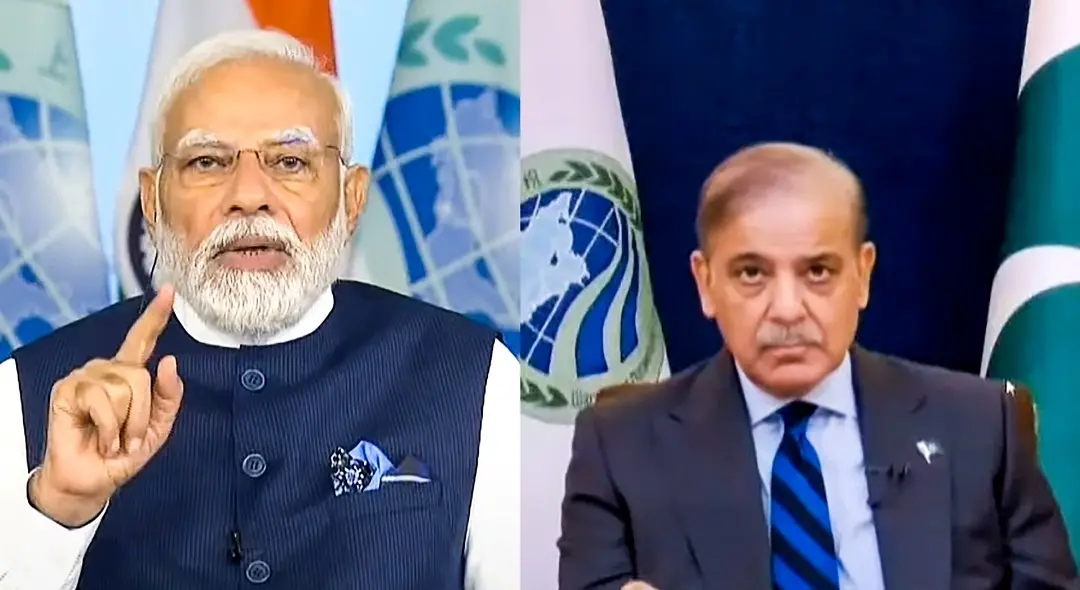
Something big just happened in world diplomacy, and India played a smart, silent role in it. This story was first flagged by Intelligence Online, the respected French intelligence and diplomacy newsletter known for breaking sensitive geopolitical stories before they hit mainstream media.
Iran has said no to Pakistan acting as the middleman in its talks with America. Instead, Qatar will now lead these peace negotiations next week. This is a major diplomatic win for India, and here is why it matters to every Indian.
Let us first understand what a mediator does. When two countries are in serious tension, they need a third, trusted country to sit in the middle and help them talk peacefully. Pakistan had offered to play that role between Iran and the United States. But Iran said, No, thank you.
Why did Iran reject Pakistan? Because Iran does not fully trust Pakistan to be fair. Pakistan’s Army Chief Asim Munir shares a close relationship with Steve Witkoff, Donald Trump’s special envoy. Iran felt that if Pakistan sits in the middle, it might quietly favour America. That is not what a good mediator does.
Now here is where India enters the picture. As Intelligence Online reported, Indian diplomats quietly worked behind the scenes to support Iran’s concerns. India did not make a noise. It did not hold press conferences. It simply used its diplomatic connections to block Pakistan’s plan. Why? Two clear reasons.
First, India buys significant oil from Iran. If Pakistan becomes Iran’s trusted partner, India’s access to that oil could be affected. Energy security directly impacts petrol prices, factories, and jobs back home.
Second, India does not want its old rival, Pakistan, to look like a regional hero. If Pakistan successfully brokers peace between Iran and America, it gains enormous respect and influence across the Middle East. That is something India simply cannot allow.
So what happens now? Qatar has taken charge. Qatar’s Prime Minister and Foreign Minister, Mohammed bin Abdulrahman Al Thani, is trusted by both Iran and most Arab nations. Qatar has solved difficult problems in this region before. Iran sees Qatar as genuinely neutral — and importantly, Qatar can also address the security concerns of Gulf Cooperation Council nations simultaneously.
Meanwhile, according to Intelligence Online, Gulf countries led by Bahrain are taking the Strait of Hormuz issue to the United Nations Security Council. The Strait of Hormuz is a narrow sea passage through which a massive share of the world’s oil travels. Any conflict there hits oil prices globally, including right here in India.
Pakistan is not completely out of the picture. Its negotiator, Muhammad Aamer, a former military officer and Pakistan’s ambassador to Qatar, will stay in regular contact with Qatar’s team. Pakistan still has a small seat at the table, just not the main chair.
India played a quiet but decisive game. No army, no noise, just smart diplomacy, and Intelligence Online caught it first.
The author is a Defence, Aerospace & Geopolitical Analyst