300% price shock: How America is hijacking India’s AMCA stealth fighter
India is building its first-ever stealth fighter jet, the AMCA (Advanced Medium Combat Aircraft). This is a big dream for our country. But before the jet has even properly taken off, a serious problem has appeared — and once again, it is connected to America.
Let us understand this in simple words.
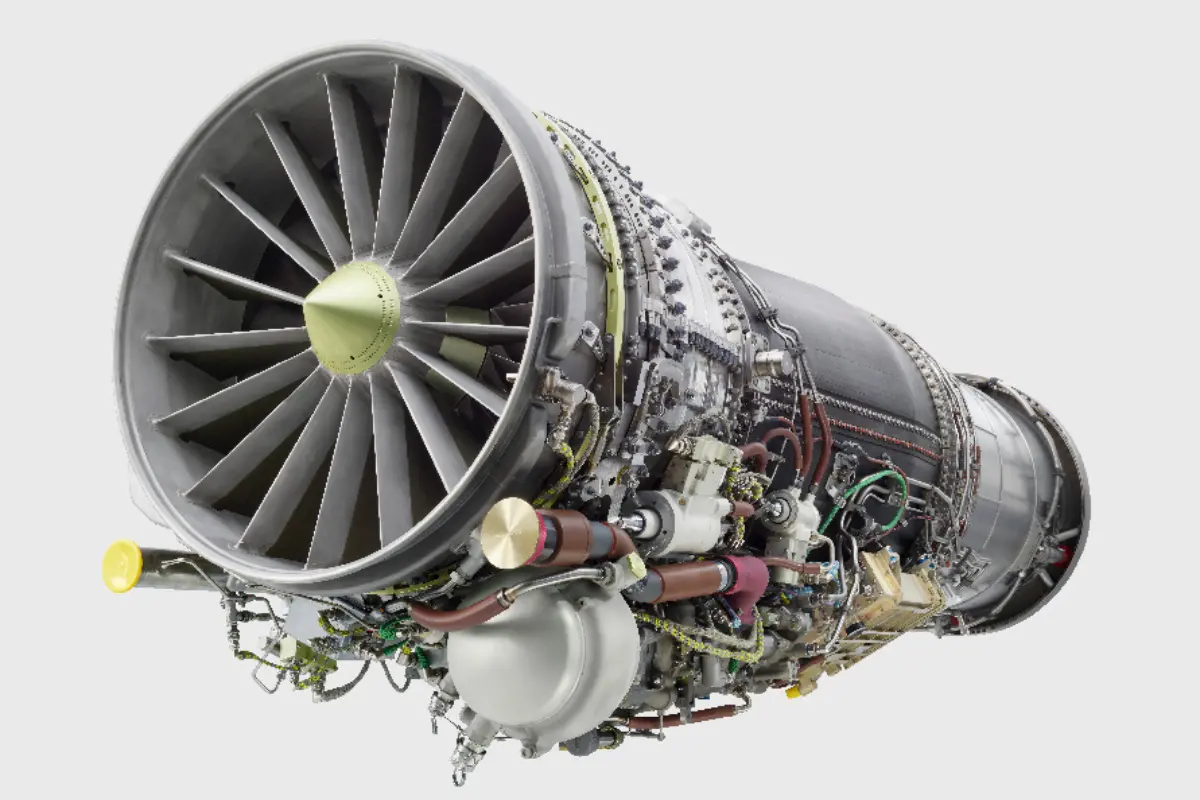
Every fighter jet needs a powerful engine, just like a car needs a strong motor. For the AMCA, India had planned to use the American GE F414 engine. The Hindustan Aeronautics Limited (HAL), our government company that builds aircraft, had been talking to the American firm GE Aerospace for these engines. But now, according to reports, these talks have hit a wall.
Why? Because GE has suddenly increased the price by almost 300 percent. Earlier, one engine was expected to cost around 70 to 80 crore rupees. Now the American company is reportedly asking for nearly 200 crore rupees per engine. That is more than triple the original price. Imagine going to buy something for 80 rupees, and the shopkeeper suddenly says, "No, now it costs 200 rupees." This is exactly what is happening, but on a national defence level.
So why is GE behaving like this? One insider explained that the whole AMCA programme has been designed around the F414 engine. This means India is somewhat dependent on it, and GE knows this very well. This dependency gives the American company a strong upper hand during negotiations. They know India cannot easily walk away, so they are using this to push the price up.
But why is the GE F414 engine considered so good in the first place? The reason is its proven track record. This American engine already powers several frontline fighter jets across the world. It is used in America's own F/A-18 Super Hornet, a powerful navy fighter. It also powers Sweden's Saab Gripen and South Korea's KAI KF-21 stealth fighter. Because this engine has been tested and trusted in so many top aircraft, India had originally chosen it for the AMCA Mark 1. This strong reputation is exactly why GE feels confident enough to raise its price — they know their engine is reliable and in high demand around the world.
There is a deeper worry here. If the engine itself is not yet finalised, how can our engineers build the jet's body and prototypes properly? An aircraft has to be designed around its engine. Without knowing which engine will fit, the entire project can get delayed. Many of us still remember how the Tejas fighter jet faced years of delays. People are now asking — will trusting America delay the AMCA in the same way?
This concern is not without reason. GE has already delayed the delivery of F404 engines, which power the Tejas Mark 1A jets. Because of these delays, the Indian Air Force has not received its jets on time, and reports say India even imposed penalties on the company. Some people now suspect that GE may be raising the F414 price to recover that penalty money, instead of simply delivering engines on time as promised.
To make matters more complex, GE is also reportedly asking for around 6,000 crore rupees to set up an engine manufacturing and assembly facility in India. HAL had signed an agreement with GE back in 2023, during Prime Minister Modi's visit to the United States, to build this engine line. But now the sudden price hike has become a major hurdle in the discussions, which also cover technology transfer, license manufacturing, repair facilities, spare parts, warranties and delivery timelines. India is expected to need around 200 such engines in the coming years.
So far, HAL has received only six engines and expects around 15 to 20 more in the financial year 2027. HAL chairman Ravi Kota recently said they are hopeful of starting jet deliveries by August or September.
Now, because of all these problems, India has wisely started looking at other options. We cannot keep all our eggs in one basket.
According to The Print, Britain's Rolls-Royce has made a bold offer to India. They are promising a brand-new engine core by 2030, a test flight by 2034, and full-scale production of new AMCA engines by 2036. Importantly, Rolls-Royce is offering complete technology transfer, meaning the engine will be designed, developed and manufactured right here in India. The Print quoted Rolls-Royce executive Shashi Mukundan explaining that they want to design the engine here, prototype it, set up manufacturing, and even handle repairs and life extension in India itself.
At the same time, France's company Safran is also in the race. In fact, Safran is seen as the front-runner. Their M88 engines already power the Rafale and Mirage fighter jets used by the Indian Air Force, so we already trust their technology. Safran has reportedly promised full technology transfer and complete ownership of intellectual property rights to India. There are also talks of a powerful 120-kilonewton engine for the AMCA Mark 2, which would be far stronger than the American F414.
This is the bigger picture. The AMCA is being built in two phases. The first phase, Mark 1, was supposed to use the GE engine. But the second phase, Mark 2, will need a much more powerful engine in the 110 to 130-kilonewton range, to carry more weapons, fly longer distances and stay truly stealthy.
The real question now is simple — after repeated delays and sudden price hikes, can India still trust America as a reliable defence partner? Or is it time we built our own strength?
(The author is a defence, aerospace & geopolitical analyst.)