Wings India 2026: HAL unveils ‘Civil Trinity’ to conquer India’s regional skies
Hindustan Aeronautics Limited (HAL) has long been India's unbreakable shield in the skies, forging world-class fighter jets, helicopters, and military transports that safeguard national sovereignty. But in 2026, under the visionary leadership of Chairman and Managing Director Dr D. K. Sunil, HAL is launching a transformative offensive into civil aviation. This is not a side venture; it is a strategic masterstroke to redefine India's aerospace future, blending battle-hardened engineering prowess with commercial ambition.
At Wings India 2026 in Hyderabad, HAL unveiled its formidable "Civil Trinity", the SJ-100 regional jet, the Hindustan-228 (H-228) commuter aircraft, and the Dhruv NG (New Generation) helicopter, heralding India's most decisive return to passenger aircraft manufacturing since the Avro era. This trio is engineered to conquer regional connectivity, offshore operations, and remote access, while slashing dependence on foreign imports and fueling economic self-reliance.
Dr D. K. Sunil, in discussions at the event, powerfully articulated HAL's vision: “HAL is steadily expanding its civil aviation footprint, and the showcase of the Dhruv NG, H-228, and the SJ-100 trinity at Wings India reflects our focused thrust on strengthening regional connectivity, civil utility operations, and future-ready aircraft programmes, while reinforcing India’s journey towards self-reliance in civil aviation.” He further emphasised the long-term goal: “Around 25% of our turnover is likely to come from non-military business in another 10 years,” marking a structural shift from the current ~97% defense reliance to a balanced, resilient portfolio.
The Dhruv NG stands as a shining symbol of this evolution. Building on the proven Advanced Light Helicopter legacy that has served the Indian Armed Forces with distinction, the civil variant is now primed for commercial excellence. HAL has secured a landmark contract to supply 10 Dhruv NG helicopters to Pawan Hans for ONGC’s offshore oil platforms. With two units already built, one in striking Pawan Hans colours, and DGCA certification on track for early 2026, deliveries will commence in the 2026-27 fiscal year. Dr Sunil has hailed it as more than a helicopter: it is a “statement of India's engineering muscle,” with indigenisation targets climbing toward 80% in the coming decade. This platform will revolutionise offshore support, emergency medical services, and disaster response, keeping critical operations sovereign and cost-effective.
Next, the Hindustan-228 (H-228), a rugged 19-seater derived from the battle-tested Dornier lineage, emerges as the ultimate enabler of inclusive growth. Its short-takeoff-and-landing (STOL) capabilities conquer semi-prepared runways, making it ideal for the UDAN regional connectivity scheme that links remote towns, hilly terrains, and island chains. The amphibious variant unlocks vital lifelines to Andaman and Lakshadweep, where conventional infrastructure falls short. Exports are already validating its global appeal, with successful deliveries to Guyana for defence and utility roles proving Indian engineering's export readiness. The H-228 is not just an aircraft; it is the Swiss Army Knife democratizing air travel across India's diverse landscape.
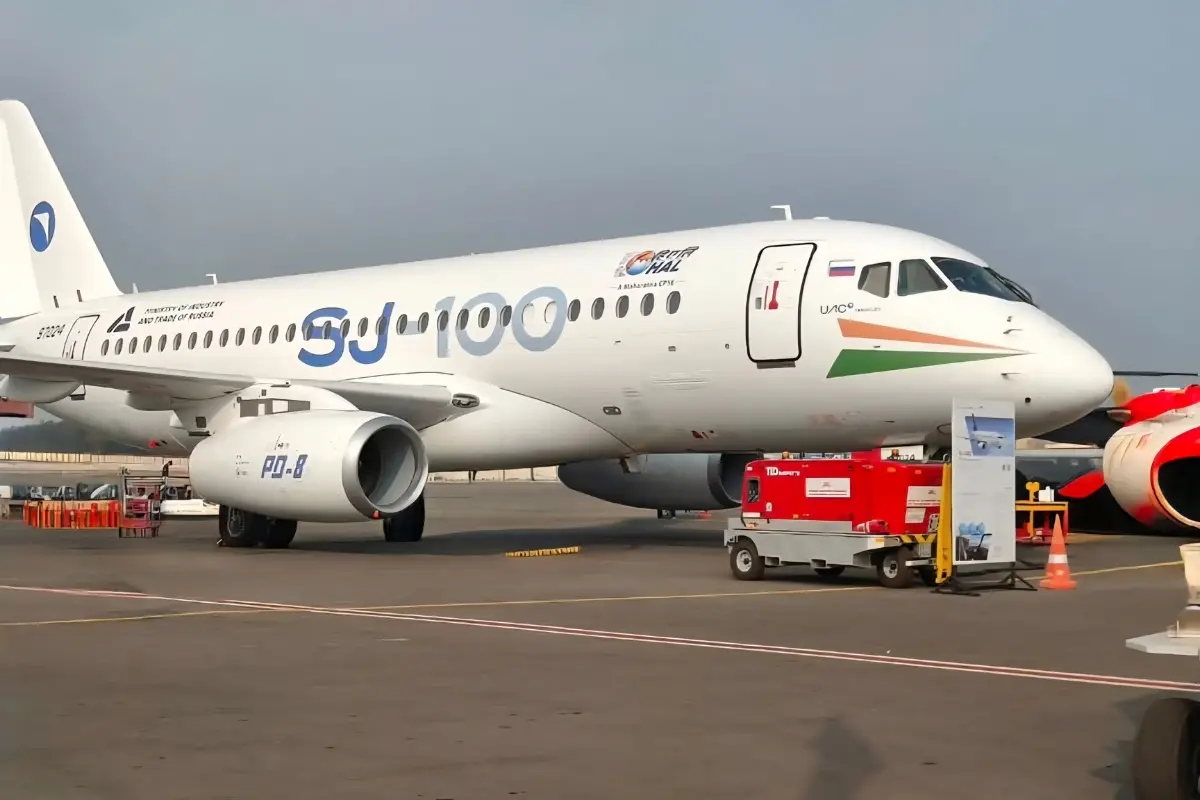
At the pinnacle stands the SJ-100, a 103-seater regional jet that catapults India back into jet-powered civil manufacturing. Partnering with Russia’s United Aircraft Corporation (UAC), HAL has indigenized this platform, now free of Western components, with Russian Aviadvigatel PD-8 engines and advanced avionics. First flights of the sovereign configuration occurred in late 2025, and a landmark agreement signed at Wings India 2026 paves the way for licensed production in India within three years. Dr Sunil confirmed plans to initially lease 10–20 SJ-100s for domestic operators before full local rollout, ensuring rapid deployment on Tier-2 and Tier-3 routes with a 3,500 km range, fly-by-wire controls, and superior fuel efficiency.
This trinity matters profoundly to every Indian. It slashes foreign exchange outflows, builds a high-skill ecosystem for engineers and technicians, and insulates against global supply disruptions. HAL’s massive ₹1 lakh crore+ order book provides the financial muscle to navigate stringent civil certifications, while its defence-honed standards guarantee unmatched safety and reliability.
In Dr Sunil’s words, the vision is clear: “We should become Atmanirbhar in civil aircraft also... We are already a manufacturer of helicopters, transport aircraft, fighters... We should have a larger civil component in our portfolio.” This is HAL evolving from a defence guardian to a comprehensive aerospace powerhouse, connecting small towns via H-228, powering regional hubs with SJ-100, and delivering specialised excellence through Dhruv NG.
India stands at the threshold of an aviation renaissance. The aircraft carrying you to your next destination may soon bear the same HAL seal of excellence that has defended our borders for generations. Under Dr D. K. Sunil’s bold leadership, HAL is not just building planes; it is building a connected, self-reliant, and soaring India.
(Girish Linganna is an award-winning science communicator and a Defence, Aerospace & Geopolitical Analyst. He is the Managing Director of ADD Engineering Components India Pvt. Ltd., a subsidiary of ADD Engineering GmbH, Germany)