Film stars, teen girls and blah-blah: How does bias in reporting affect India’s war on drugs?
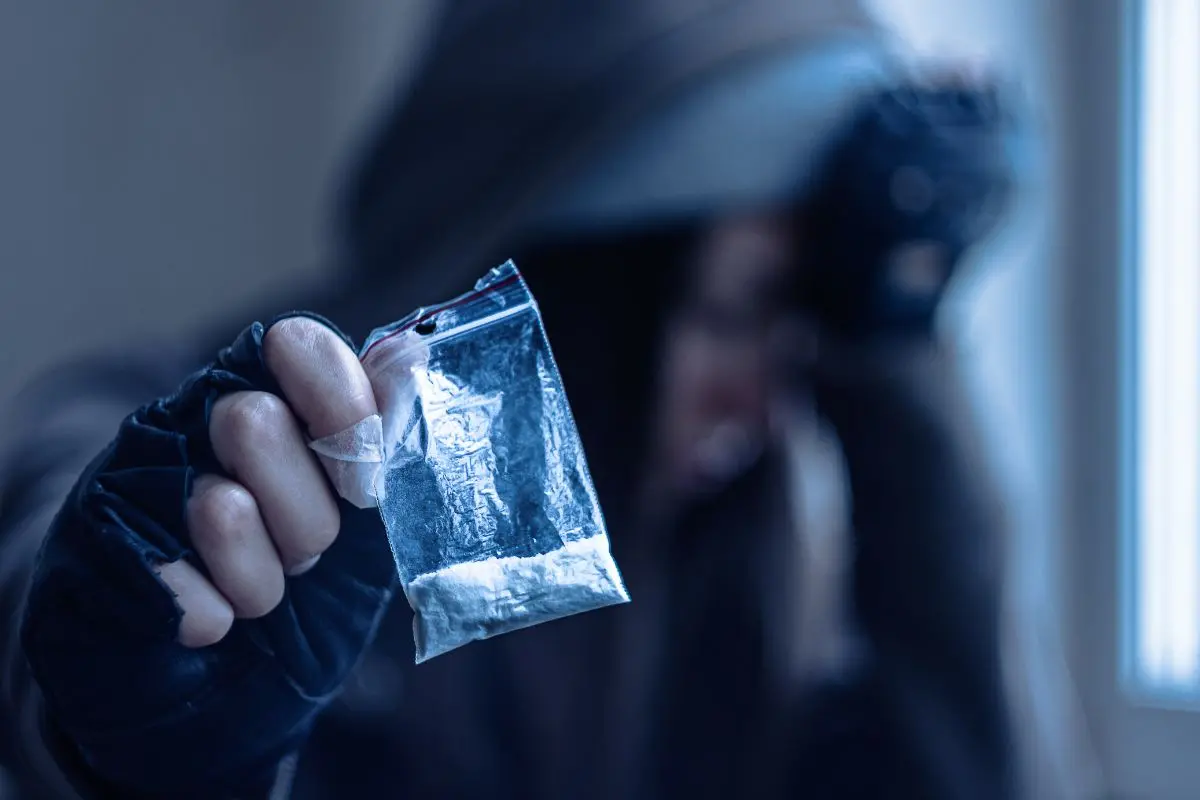
The presence and impact of organised drug crime is a fast-evolving threat across India. As this threat evolves, media reporting is a key and necessary source of public information. Yet a number of challenges limit the quantity and quality of media coverage of the topic. This, in turn, limits the pressure that the public can exert on governments to better respond. The media provides and shapes public knowledge, perceptions, and attitudes towards people with substance use. It may also influence policy decisions by changing public perceptions and attitudes of policymakers. Media may propagate stigma by exaggeration, misinformation, distortion, and sensationalism. Quite often, the media portrayal of drug use is sensational, melodramatic, dominated by moralistic understanding, commercial needs, and rather divorced from the science-based understanding of addiction.
More importantly, media reporting on drug seizures can reveal weaknesses in enforcement agencies through several mechanisms, including highlighting inconsistent data, lapses in security, failures to adapt to new trafficking methods, and lack of finances to procure state-of-the-art equipment.
Media reporting on drug seizures can reveal weaknesses in enforcement formations by highlighting the paradox of increased seizures coinciding with growing availability, disclosing outdated tactics against evolving threats, and exposing potential corruption or misconduct. The news media can also expose operational vulnerabilities by showing how criminals use modern technology and revealing the biases in drug reporting. The media's own reporting biases can obscure the real story and highlight systemic vulnerabilities.
It is a common complaint against the media that a vast majority of drug seizure reports focus almost exclusively on law enforcement narratives. There is a lack of reporting on public health responses, treatment resources, or the perspectives of individuals with substance abuse issues. This oversight perpetuates a simplistic "war on drugs" narrative that ignores the public health aspects of the crisis.
Media reports are also more likely to cover drug seizures involving charismatic personalities like film stars, sports stars and teenage girls or to focus on high-profile incidents, while other, more common seizures are often ignored. This "spotlight effect" can create a skewed public perception of the drug trade's scope.
Another aspect is that narcotics and synthetic drugs constitute the quintessential illicit market, one that typically involves domestic and transnational criminal organisations, and terror groups. Law enforcement agencies tend to consider any seizure of drugs as an indication of organised crime activity; the drug metrics that they produce are usually considered sensitive data, and therefore need to be protected, in the interests of national security. For example, the European Union Drugs Agency (EUDA), known until 2024 as the European Monitoring Centre for Drugs and Drug Addiction (EMCDDA), puts a lot of caveats around the data they publish, and acknowledge that their figures do not pretend to estimate the actual volumes of drug trafficking in Europe, but limit themselves to highlighting only some plausible trends.
Detailed reporting in the print and visual media, and also on social media platforms, by Police, Customs, NCB, BSF, DRI, Coast Guard, State Police and Excise, carries the grave risk of inadvertently exposing vulnerabilities in capacity, interdiction capabilities, manpower availability, and effectiveness in complying with legal compliance.
Constant evaluation of the performance of enforcement agencies, based on media reports, is an ongoing exercise, by criminal networks, violent terrorists, insurgents and greedy traffickers, to assess national stability, governance and judicial response. Insights drawn from press reports and media coverage are an invaluable indicator of drug market dynamics. Media disclosures by enforcement agencies constitute reliable data for drug traffickers to gauge the efficiency of interdiction functioning. It also enables the opening of new trafficking routes and new markets. Hence the need to legally restrict drug seizure-related media coverage.
Extra-legal economies, functioning internally and externally, are constantly interpreting data related to drug seizures, which are being routinely disclosed in the media. Traffickers in different parts of the world get free access to drug trafficking data – both quantitative and qualitative evidence, regarding the framing, measuring and quantifying of drug production, trafficking, seizures, and consumption. Drug types seized and agency involvement by number of incidents, including images of confiscated drugs, weapons, and cash, are splashed in the media landscape, which is a great threat for national security. Data related to drug seizures are needed only by enforcement agencies to anticipate and respond to drug-related threats, and to tackle emerging drug challenges.
Investigative journalism and reporting on specific drug cases can expose systemic issues within enforcement agencies, their operational failures and misconduct, as also the intense rivalry between the enforcement agencies. Reports on sensitive cases sometimes reveal that information has been improperly leaked by law enforcement to journalists. These leaks can compromise fair trials and point to a lack of formal, ethical communication protocols.
Due to reliance entirely on law enforcement as a primary source, some journalists may fail to question speculative or unverified information. This can lead to inaccurate reporting that harms investigations and unjustly portrays individuals as criminals before a conviction. Cases of misconduct or negligence revealed in the media, such as illegal detentions or failure to adhere to communication norms, expose systemic vulnerabilities and failures in adhering to legal and ethical standards.
Media reports, as revealed by enforcement agencies, also throw light on terror financing, organized crime, political influence, corruption and the effectiveness of the judiciary. Long pendency of court cases is a morale booster for drug traffickers and peddlers. India’s justice system is clogged with past, pending and new drug trafficking court cases – effectively keeping offenders on the streets and citizens unsafe. Successful lawyers are identified for procuring favourable verdicts, especially bail.
Responsible reporting focuses on public health implications and evidence-based solutions rather than amplifying only drug enforcement narratives. There is no published literature from India on the newspaper portrayal of substance use. On October 18, 2023, the Calcutta High Court restrained the media from live coverage of Enforcement Directorate (ED) raids and seizures, and also issued stern guidelines in this regard for journalists as well as investigating agencies such as the ED and the CBI.
The judgement made it clear that “The media shall not publish or broadcast or telecast live video, audio/print footage of the process of search and seizure, raid or interrogation at any point of time,” “The media, during investigation and before filing of charge sheet, shall not publish photographs of any person linking him/her to the investigation, in news items reporting about the said investigation or any facet of it,” it added in the 38-page order.
The judge, however, said that these are only guidelines that need to be strictly followed and not a gag order, as that would go against democratic principles. Investigating agencies in general — and the ED in particular — shall not involve or be accompanied by media persons during any raid/interrogation, search, and seizure procedure at any point of time, the court said, adding that information about such operations should not be disclosed before they are carried out either. Applicable to other cases as well, the Calcutta High Court issued the guidelines in connection with an alleged cash-for-job scam in West Bengal-run government schools.
The author is former Director General of National Academy of Customs, Indirect Taxes & Narcotics