Arali : All that glitters is not gold
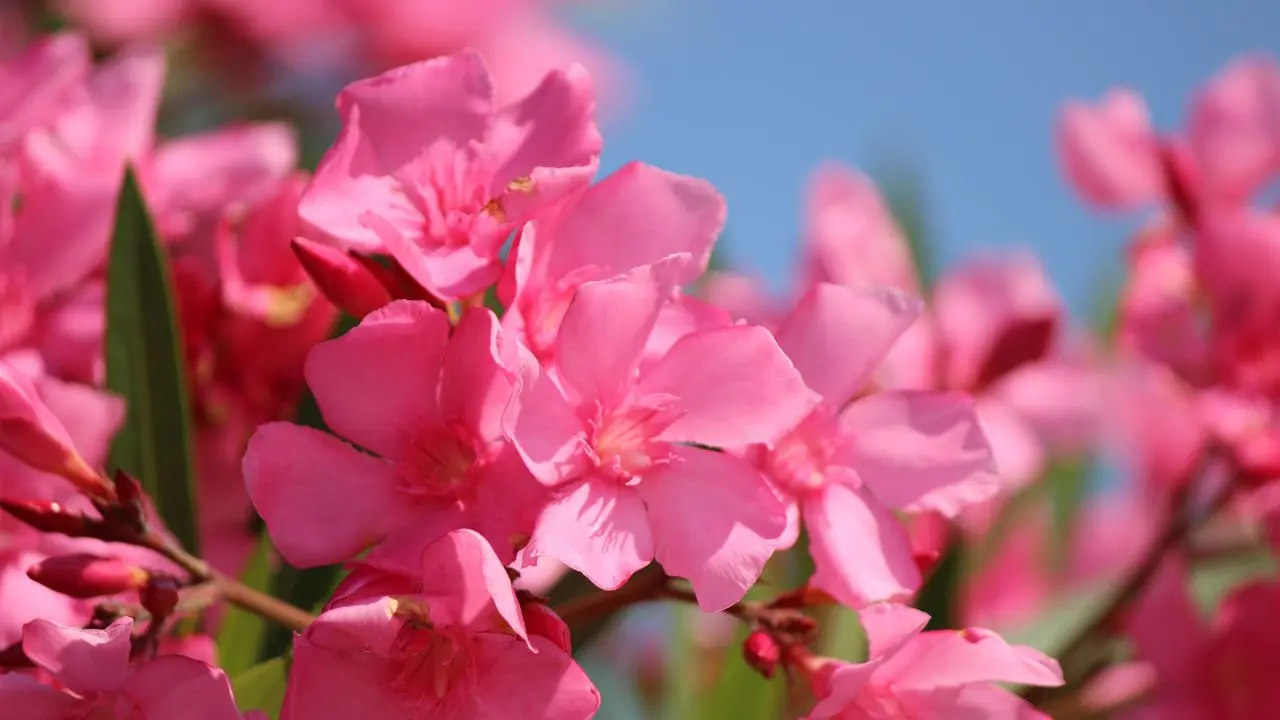
Admired for its vibrant hues ranging from snowy white to rosy pink, the Oleander plant, commonly known as 'Arali' is often found in gardens and parks adding a touch of elegance to the surroundings. Its evergreen foliage and resilient nature make it a popular choice for landscaping projects worldwide. However, beneath its aesthetic allure, there lies a deadly threat.
Arali caught the attention of the public recently with the news reports of the demise of a young woman who succumbed to the alleged oleander poisoning after ingesting parts of the plant. Although this incident serves as a reminder of the lethal potency lurking within the petals and foliage of this botanical beauty, most people are unaware of oleander poisoning and wonder if the plant can actually be too deadly to take lives of people.
Oleander poisoning is a serious medical emergency that requires immediate attention. Awareness and prevention are crucial to avoid accidental ingestion, especially in households with children and pets.
First, Let's understand its toxic components
Oleander conceals a deadly toxin known as oleandrin, which can disrupt the rhythm of the heart and central nervous system, within its stems, leaves, flowers, roots and seeds. The plant also contains several other toxic compounds, including neriin, folinerin, rosagenin, digitoxigenin. It also has Saponins compounds that can irritate the digestive system.
Accidentally ingesting an oleander flower, leaf or any part can lead to severe and potentially life-threatening poisoning.
So, what happens when any part of the oleander plant is ingested?
The initial symptoms include nausea, vomiting , diarrhea and abdominal pain. It can also impact our nervous system by causing confusion, dizziness, hypertension etc. in severe cases it can lead to seizures and coma. Excessive consumption can disrupt functioning of the heart. It can cause irregularities in heartbeat and severe poisoning can lead to complete heart failure and death. In rare cases, symptoms like visual disturbances, weakness, and respiratory problems may also occur. It can cause liver bleeding, bleeding in lungs, derails the blood clotting system etc.
Medical records
According to the reports, the woman had unintentionally ingested a portion of an oleander leaf and a flower. She was taken to the hospital due to vomiting. As per the woman's account to the doctor, she unfortunately swallowed small amounts of the plant despite her attempt to spit it out. The autopsy reports suggest that the poison from oleander likely affected her heart and claimed her life. A toxicology analysis which helps to determine the presence of poison and that substance's contribution to the death of a person is yet to be released.
Medical perspectives
Doctors opine that Oleander does contain compounds that interfere with the normal activity of the heart. 5-15 leaves can be lethal and consumption of roots is fatal.
“Exploratory ingestions or intake of very small amounts like in this case are unlikely to result in serious toxicity. Our body naturally tries to eliminate harmful components or things we ingest that cannot be digested. Therefore normal symptoms like vomiting, diarrhea or fatigue may occur. If treated on time, life can be saved,” shared a doctor.
“But again it depends on the strength of the body. In Ayurveda we call it ojass. Our whole body, blood, cells etc are formed from what we consume everyday. Every body reacts differently to different situations. The food we consume determines our strength, immune system and its resistance towards toxins. So if the person is already weak or otherwise has other illnesses, external toxins when digested and absorbed can cause a larger impact on the body," added Dr Parvathi, an ayurvedic medical practitioner in Kozhikode.
“In this case, there can be a possibility of having large quantities of toxic compounds in the leaf or flower she consumed, which led to heart failure. Another possibility can be delayed treatment. When left untreated for a long time, the poison gets absorbed in the blood,” said another doctor.
In another report, a cow and calf were found dead after consuming oleander plant given to it along with fodder. In this case, the postmortem examination revealed that a large amount of the plant's leaves were consumed by the cow and poison from oleander leaves was the cause of death. This was also confirmed by the District Veterinary Officer.
This incident emphasizes how important it is to raise public awareness of the risks associated with oleander plants.
Police statement
According to the police investigation, Preliminary conclusion is that she died due to heart failure which can be caused by oleander poisoning. They also stated that until the toxicology report is not available the cause of death cannot be confirmed.
“As per the information we received, she had ingested the flower and a leaf but spat everything out. There were traces of toxins in her blood but parts of the flower or leaf were not found in organs. However, We cannot conclude anything without getting the forensic test report. We're awaiting the results. Till then all we can do is take preventive steps,” said CI Manoj, Haripad.
Prevention
- Make sure that plants are not within the reach of children and pets.
- Seek immediate medical attention if ingested.
In a significant decision, the Travancore Devaswom Board (TDB) and Malabar Devaswom Board in Kerala, made a change to their offerings by discontinuing the use of oleander flowers for rituals after concerns arose about the toxic nature of the plant.
“Although the Arali flower is not widely used in rituals in temples, its use is banned considering the safety of devotees. Studies have found that the flower contains toxic substances,” said M R Murali, Malabar Devaswom Board President.