Can OPEC survive without the UAE? Exit exposes fault lines in the Gulf
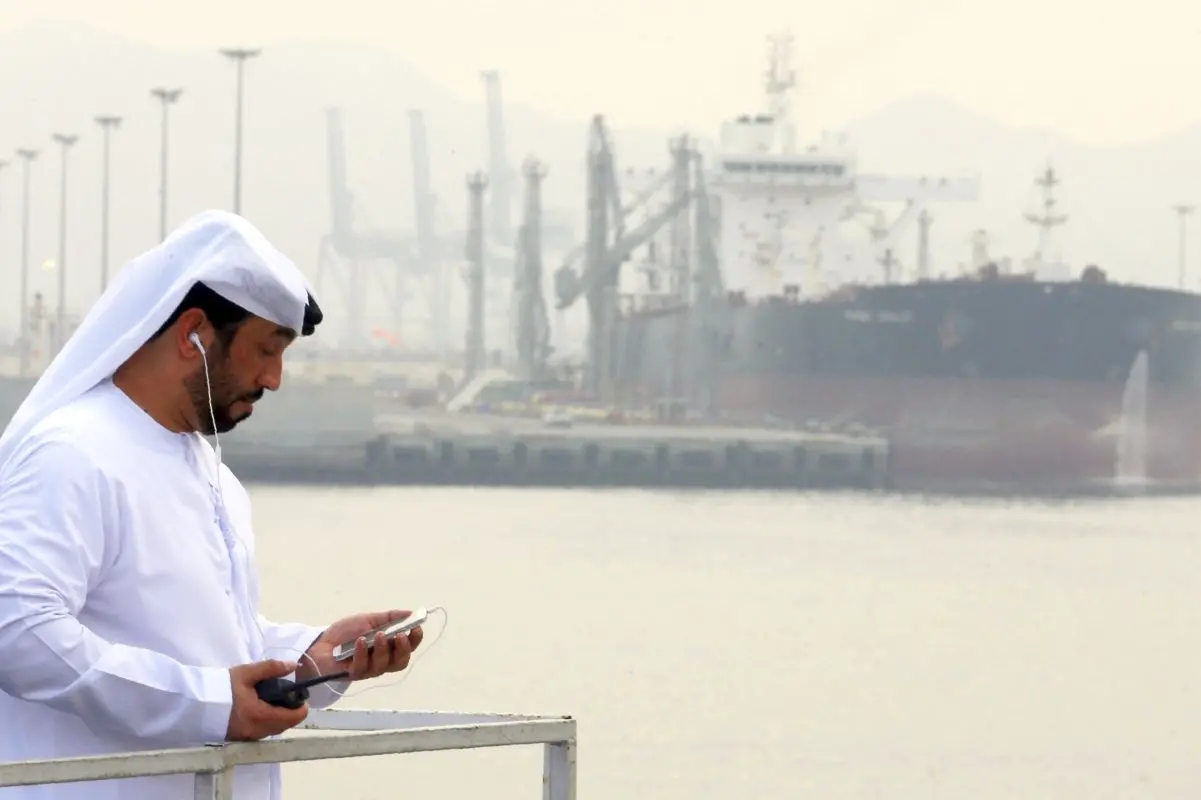
After being a loyal member for many years, the United Arab Emirates (UAE) has finally decided to walk out of the Organization of the Petroleum Exporting Countries (OPEC), the powerful Vienna-based oil group. The country has said that from now on, it wants to follow its own path and protect its "national interests." This is a big jolt for OPEC, but experts believe the group will not collapse because of one country leaving.
So why did the UAE take this big step? The reason is simple. For years, OPEC has been fixing how much oil each member can produce. This is done to control the supply in the market and keep oil prices stable. But the UAE was unhappy with this system. It has spent billions of dollars to grow its oil production from 3 million barrels a day to 5 million barrels by 2027. With more capacity, it wanted permission to produce and sell more oil. OPEC was not allowing this, and the UAE finally lost patience.
Also Read: UAE's OPEC walkout will not end USD reign
This decision has come at a very tense time. The world is going through an energy crisis because of the US-Israel war on Iran, which started on February 28. In reply, Iran attacked Israel, US bases, and important sites in Gulf countries. Iran also blocked most of the Strait of Hormuz, a narrow sea route from where about 20% of the world's oil and LNG is shipped out. Because of this, global oil supply has become uncertain and prices are jumping.
Before the war, the UAE was producing around 4.8 million barrels of oil per day. But under OPEC's rule, it could sell only 3.2 million barrels. To bypass the blocked Strait of Hormuz, the UAE has been using its Fujairah terminal on the Gulf of Oman. Through this route, it sold around 1.7 million barrels per day last year. But this is still not enough to use its full capacity.
Also Read: Donald Trump and the discipline of Indiscipline
If the war ends and ships start moving freely again, the UAE could send out an extra 1.6 million barrels per day. That is roughly 1.5% of total world oil supply -- enough to make the UAE a major player in the global energy market.
Energy expert Kingsmill Bond from Ember Future calls this a smart and timely move. According to him, the UAE is thinking far ahead. The world may have already reached its peak demand for oil, meaning demand will start falling as countries shift to clean energy and electric vehicles. So the UAE wants to make hay while the sun shines -- sell as much oil as possible now, before the world moves away from fossil fuels.
This is very different from Saudi Arabia's plan. Saudi Arabia wants OPEC members to produce less oil so that prices remain high for a long time. Officials close to Riyadh have tried to play down the news.
Former Saudi oil adviser Mohammad al-Sabban said this is not a big shock because OPEC+ has 23 countries, and one country leaving does not change much. He even said the UAE's move was a political decision, possibly pushed by Western powers who always wanted to break OPEC. US President Donald Trump, in fact, has openly attacked OPEC many times, accusing it of "taking advantage of the world" by keeping oil prices high.
Also Read: An extended ceasefire that changes nothing
But will OPEC fall apart? Most experts say no. OPEC was formed in the 1960s by Saudi Arabia, Kuwait, Iran, Iraq, and Venezuela. Since then, countries like Qatar, Indonesia, Ecuador, and Angola have also walked out, but OPEC has survived every storm.
The group became world famous in 1973 when Arab members stopped oil supply to countries supporting Israel -- an action that shook the global economy. Earlier, OPEC controlled about half of the world's oil. Today, its share has dropped to around 33% because of new big producers like the US and Norway. To stay strong, it joined hands with 12 more oil nations including Russia, forming OPEC+.
Energy expert Robin Mills says OPEC may become weaker, but it will not vanish. Other countries still find value in working together to keep oil prices balanced. This teamwork helped them survive the 2014 oil price crash and even the COVID pandemic.
But the UAE's exit is not only about oil. Experts like Anas Abdoun believe it shows a deeper crack between Riyadh and Abu Dhabi. Both have very different views on how the Gulf should be run.
During the Iran war, the UAE has suffered the most attacks -- more than Israel and all GCC nations combined. While Saudi Arabia, Qatar, and Oman have preferred peaceful talks, the UAE has been pushing for tougher action against Iran. The UAE was also the first Arab country to make peace with Israel through the Abraham Accords in 2020.
In the end, the biggest loss may not be for OPEC, but for Arab unity itself.