Can acne drugs endanger pregnancy and baby? Kerala study warns risks; experts urge caution
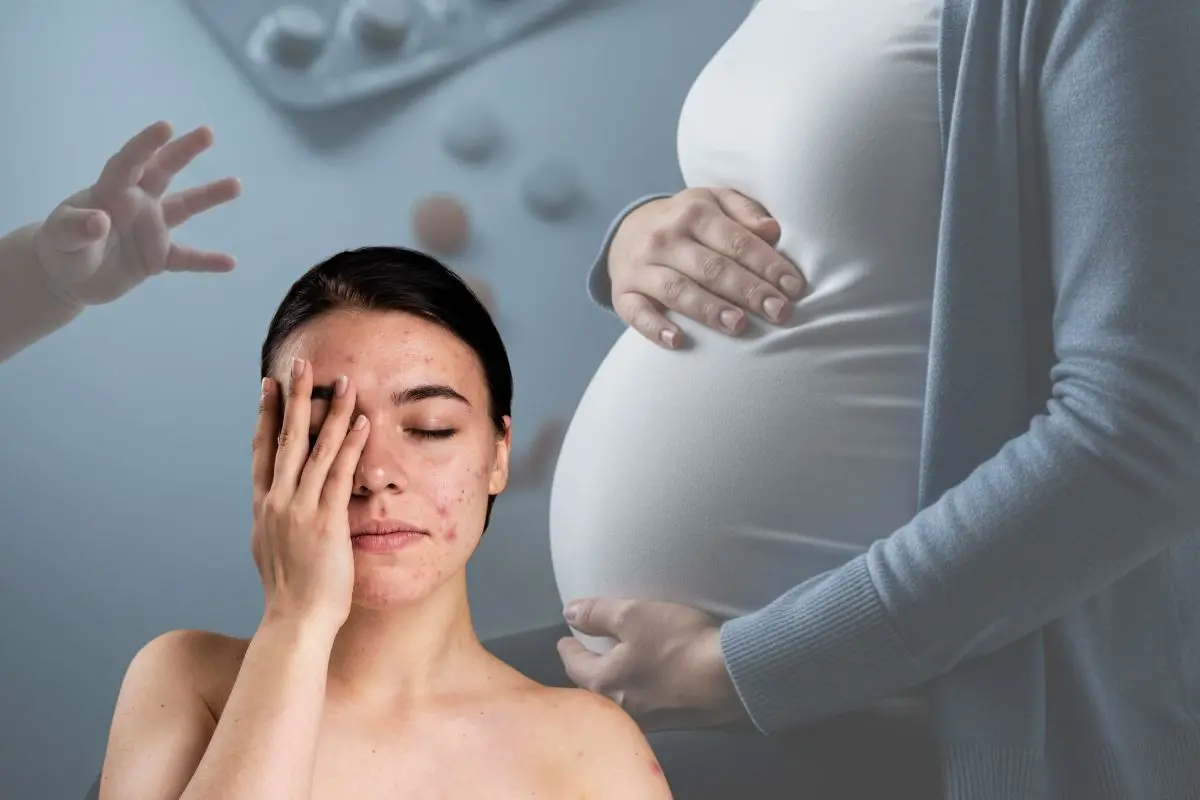
A study conducted among dermatologists in Kerala has raised a red flag regarding the use of isotretinoin, a popular and highly effective medication for severe acne. The drug is widely used for stubborn acne cases, but is also described as a “potent human teratogen”, meaning it can cause severe, life-altering birth defects if a woman becomes pregnant while taking it.
The study, recently published in the Indian Dermatology Online Journal, was led by Dr Simin Muhammed Kutty along with a team of experts. It highlights a concerning gap between doctors’ awareness of safety protocols and what is actually practised in clinics.
While nearly 95% of the 189 dermatologists surveyed were aware of international safety rules for isotretinoin use, only 33.3% consistently conducted pregnancy tests before starting treatment.
The survey also recorded six cases in Kerala where patients became pregnant while on the drug. These resulted in two spontaneous abortions, three medical terminations, and one healthy baby being born.
Safety gaps, consultation pressure and social sensitivity
Researchers pointed to multiple reasons behind the lapses. About 15% of doctors said they hesitate to enforce strict pregnancy testing because they do not want to “scare away” patients or because they lack sufficient consultation time.
There is also a social dimension. In India, requesting a pregnancy test for an unmarried woman can be culturally sensitive, leading in some cases to skipped testing by doctors or refusal by patients.
Unlike several Western countries, India does not have a strict national registry for tracking isotretinoin use, making individual doctor vigilance the primary safeguard.
Dr Simin Muhammed Kutty, Medical Director of Skin Time in Kozhikode, who led the study, warned that the risk is not limited to prescription drugs alone. She noted increasing self-medication among young people influenced by social media.
“Tretinoin, a cream often promoted online by celebrities for glowing skin, belongs to the same family as Isotretinoin and can also pose risks if absorbed into the body during pregnancy,” Dr Kutty explained.
She also warned against “herbal” or “natural” fairness creams sold online, which may secretly contain high levels of mercury or steroids, leading to kidney damage and serious skin harm.
Her advice for those who may have used such products during pregnancy is: “Stop the product immediately” and seek urgent referral for specialised scans to assess fetal development. She has also called for mandatory written informed consent and stricter pharmacy regulation. She stressed that “awareness alone is insufficient” and must be backed by “official enforcement” to prevent birth defects.
Medical views on risks, pregnancy outcomes and exposure concerns
Dr Sajith Mohan R, Consultant in Obstetrics and Gynaecology at KIMSHEALTH, Thiruvananthapuram, said isotretinoin does not permanently affect fertility. “Ovulation generally returns to normal after stopping the drug,” he said. However, he advised that women should wait at least one month after their last dose before trying to conceive, to ensure the drug has fully cleared the body.
He added that for men, there is no proven increase in birth defects when only the father uses the drug, although some minor and reversible changes in sperm have been reported.
Dr Sajith also said oral isotretinoin and systemic retinoids carry a high risk of major malformations, spontaneous abortion, and preterm birth.
He further noted potential risks from other chemical exposures: chemical sunscreens containing oxybenzone may act as hormone disruptors and have been associated with Hirschsprung disease ( a congenital condition where nerve cells are missing from parts of the intestine causing severe bowel obstruction). He added that formaldehyde in nail polish or hair products is linked to miscarriage risk and “fetal developmental toxicity”. He also pointed out that phthalates and parabens, commonly used in cosmetics, are associated with pregnancy loss and altered fetal growth.
Meanwhile, Dr Lekha KL, Senior Consultant, Obstetrician & Gynaecologist at Apollo Adlux Hospital, Ernakulam, said that from a clinical perspective, obstetricians are not necessarily seeing a dramatic rise in isotretinoin-related birth defects. However, she emphasised the seriousness of retinoid embryopathy, a pattern of severe birth defects caused by prenatal exposure to retinoids, particularly oral isotretinoin.
“Studies show that 20% to 30% of babies exposed to this drug in early pregnancy develop abnormalities,” she warned. These may include heart defects, brain malformations, and facial abnormalities such as cleft palate or malformed ears.
She noted that the most common users, aged 13 to 45, fall within reproductive years. She added that patients often “begin acne therapy without fully understanding the reproductive implications”, and unplanned pregnancies continue despite widespread awareness.
She maintained that her position is “not to discourage effective dermatological treatments” but to ensure “safe care”, and advocated multidisciplinary counselling between dermatologists and gynaecologists to safeguard future pregnancies.
Influencer advice and communication gaps
Influencer-led advice can blur risks, especially when potent drugs or related products are promoted as routine skincare. The study shows communication gaps persist even among dermatologists, with safety steps not always enforced or explained. Clear counselling, consistent screening, and informed consent remain critical to prevent avoidable harm during pregnancy.