Boeing 777-9: Story of seven-year wait and near $15 billion bill
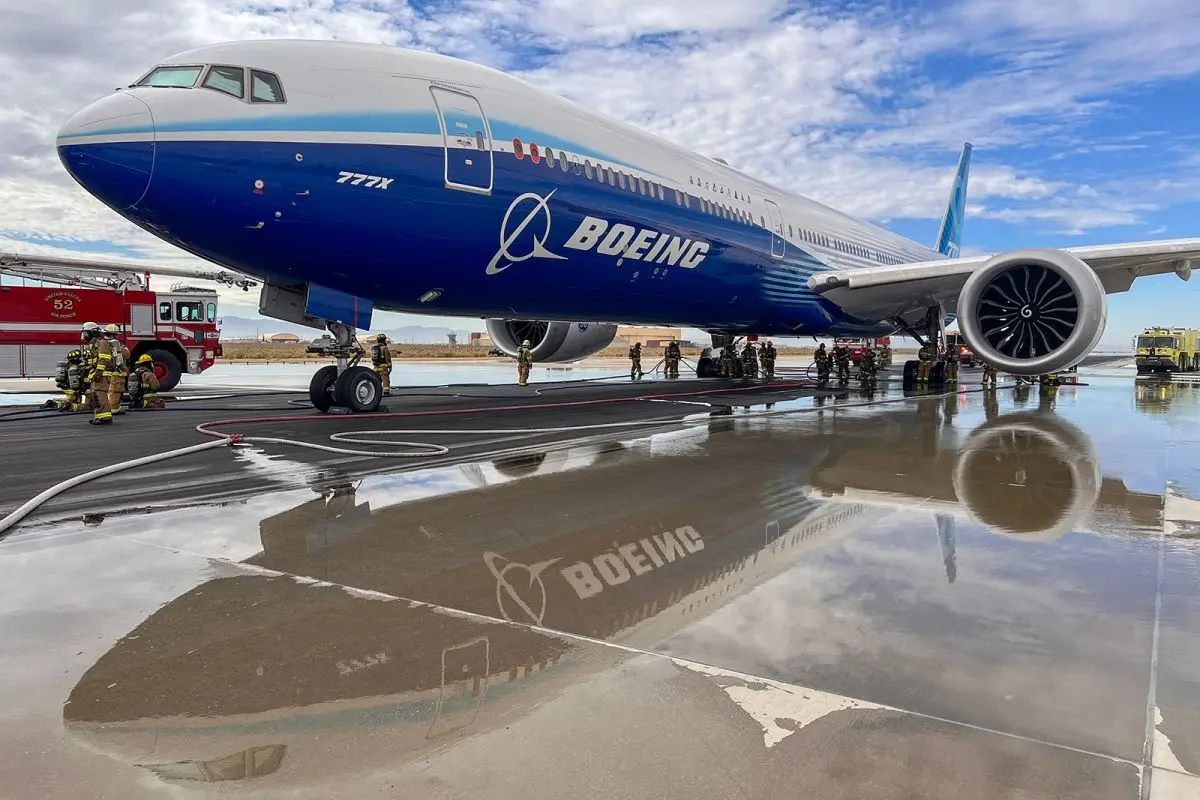
After years of delays and uncertainty, Boeing has finally confirmed that its much-awaited Boeing 777-9 is expected to enter service in 2027. The announcement, made during its first-quarter 2026 results, brings some relief to airlines like Lufthansa, which has been waiting to become the first operator of the aircraft.
At first glance, this seems like a positive step forward. But behind this timeline lies a long and complicated journey that highlights how modern aircraft programmes are becoming more challenging, expensive, and deeply connected to long-term maintenance realities.
Seven-year delay and a costly journey
The 777-9 was originally expected to start flying passengers in 2020. That means the programme is now running about seven years late. During this period, Boeing has spent nearly $15 billion more than planned, making it one of the most expensive aircraft development programmes in recent history.
Also Read: 'Tower in the sky' over Vijayawada: Near-Space tech to bridge India's urban-rural digital gap
For the average traveller, this may simply mean waiting longer to fly on a new aircraft. But for airlines and the aviation industry, such delays have serious consequences.
Airlines have had to continue using older aircraft for longer than expected, increasing maintenance costs and forcing them to invest more in repairs and upgrades.
Certification not there yet
There has been real progress in recent months. The Federal Aviation Administration has allowed the aircraft to move into an important stage of testing known as Type Inspection Authorization (TIA) Phase 4A. This phase checks how the aircraft performs under different real-world conditions, including challenging weather environments.
Also Read: How Asteria-DGCA bribery scandal clouds India's drone boom
However, the process is not complete. Several more testing stages remain before the aircraft can be fully certified for commercial use. These include additional flight tests, long-duration reliability checks, and special approvals for long-haul operations over oceans.
In simple terms, the aircraft is getting closer to the finish line, but it still has some distance to cover.
Why some aircraft need to be reworked before delivery
One of the more interesting challenges Boeing faces is with aircraft that were built earlier in the programme. Between 2018 and 2022, several 777X aircraft were already assembled, based on designs that were still evolving.
Now, around 30 of these aircraft will need to be modified before they can be delivered to airlines. These changes could involve updating systems, improving structures, and making sure everything meets the latest safety standards.
Also Read: Why India opening door to 'green jet fuel' makes sense
This is not the first time the aviation industry has seen such a situation. A similar issue occurred with the Boeing 787 Dreamliner, where early aircraft needed extensive changes later. It highlights how complex modern aircraft development has become, where designs continue to evolve even after production begins.
For major customers such as Emirates and Cathay Pacific, the delay has created a balancing act. On one side, they must keep older aircraft flying longer, which increases maintenance needs and costs. On the other, they must prepare for a new aircraft that comes with advanced technology and requires new skills, training, and equipment.
This dual challenge makes fleet planning more complex than ever before. Airlines are not just buying new aircraft; they are managing a transition between generations of technology.
Changing dynamics
The 777-9 is expected to replace older large aircraft such as the Airbus A380 and the Boeing 747. Unlike these four-engine giants, the 777-9 uses two engines, making it more fuel-efficient and easier to operate.
This change also affects maintenance. Fewer engines mean fewer engine repairs, but the aircraft will rely more on advanced systems and digital monitoring. This means maintenance teams will need new skills and tools, shifting from traditional repairs to more technology-driven approaches.
The delays have also affected the global supply chain. Companies that produce parts, repair components, and support aircraft maintenance have had to adjust their plans multiple times due to changing timelines.
Now that 2027 is being seen as a firmer target, the industry has a clearer direction. But there is still a need for coordination between manufacturers, airlines, and maintenance providers to ensure everything is ready when the aircraft finally enters service.
A lesson in aviation
The story of the 777-9 is not just about one aircraft. It reflects a larger shift in aviation, where building and maintaining aircraft are becoming more interconnected than ever before.
In the past, maintenance was something that happened after an aircraft entered service. Today, it is already being considered during the design and testing stages. Decisions made during development can affect maintenance costs and performance for decades.
Boeing's confirmation of a 2027 delivery timeline is an important step forward, bringing renewed confidence to airlines and the industry. However, the long delay and high costs show just how complex modern aviation has become.
For passengers, the 777-9 promises a more efficient and comfortable flying experience. For the aviation industry, it represents something deeper, a reminder that innovation comes with challenges, and that every new aircraft carries lessons that shape the future of flying.