One year on, Air India crash investigation process looms on...
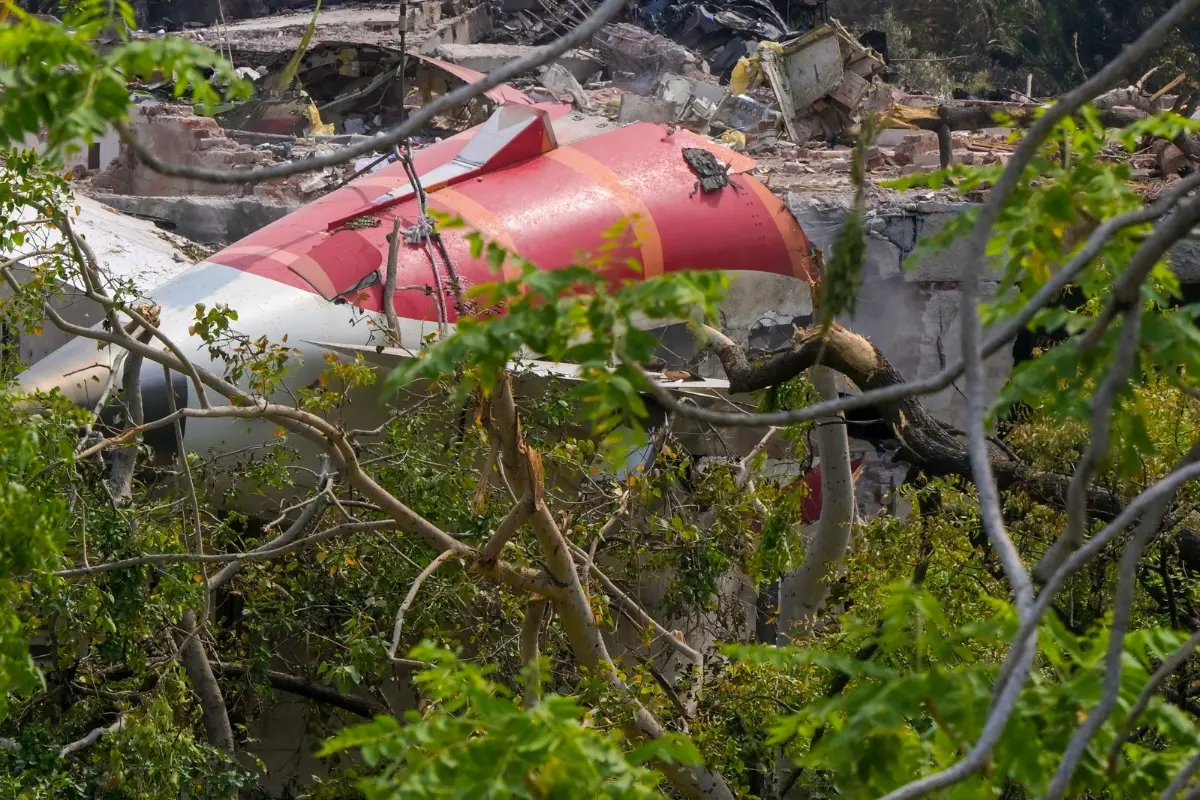
One year after Air India Flight AI171 crashed shortly after take-off from Ahmedabad, killing 260 people, the families of victims continue to live with a painful reality, they still do not know exactly why the aircraft fell from the sky.
On June 12, 2025, the London-bound Boeing 787-8 Dreamliner crashed just 32 seconds after take-off, becoming the deadliest aviation disaster in India in decades and the first fatal accident involving Boeing's Dreamliner aircraft.
Today, while prayers are being offered, memorials held and tributes paid to those who lost their lives, the investigation into the crash remains unfinished. The final report that many expected to be released on the first anniversary of the accident is still not ready.
For the families, compensation has provided some financial support. Closure, however, remains far away.
Why is the final report still not out?
Under international aviation investigation rules established by the International Civil Aviation Organization (ICAO), investigators are expected to publish a final report within one year "if possible." However, air crash investigations are among the most complex inquiries conducted anywhere in the world, often taking several years to complete.
In the case of AI171, investigators have reached an important but incomplete stage.
According to reports, the Aircraft Accident Investigation Bureau (AAIB) is still awaiting the outcome of detailed examinations of the aircraft's GE Aerospace engines, which were sent to the United States for forensic analysis. Investigators also conducted engine testing earlier this year and have been studying the aircraft's engine management systems with international technical assistance.
As a result, the AAIB is expected to issue a progress update or interim statement rather than a final report on the first anniversary of the crash.
The delay reflects the complexity of the investigation rather than a lack of progress. Authorities appear determined to ensure that every possible technical explanation is examined before reaching a final conclusion.
Till where has the investigation reached?
The investigation has already established one critical fact. According to the AAIB's preliminary report released last year, both engine fuel control switches moved from the "RUN" position to the "CUTOFF" position almost immediately after take-off. This action effectively cut fuel supply to both engines, resulting in a catastrophic loss of thrust.
What investigators have not yet determined conclusively is how those switches transitioned.
This remains the central question of the entire investigation. Cockpit voice recordings reportedly captured one pilot asking the other why the fuel had been cut off, while the second pilot denied doing so. However, the preliminary report stopped short of identifying who made the comments or concluding that either pilot deliberately moved the switches.
The AAIB has repeatedly stated that it is too early to reach definitive conclusions.
Pilot action or technical failure?
Over the past year, two major theories have emerged. The first theory focuses on possible pilot action. Reports in international media have suggested that investigators have examined whether the switches were physically moved from within the cockpit.
The second theory centres on a possible electrical, software or systems malfunction that may have triggered the fuel cutoff command without direct pilot intervention.
Several pilot associations and aviation experts have argued that investigators should not rule out a catastrophic electrical failure. Some have suggested that a major systems malfunction could potentially have generated signals that appeared in recorded data as fuel switch movements.
Adding to the debate are concerns raised by aviation safety advocates and whistleblower groups regarding historical quality-control issues associated with Boeing's manufacturing processes and the aircraft's operational history. At this stage, investigators have publicly ruled out neither possibility.
The ongoing engine analysis in the United States is expected to play a crucial role in determining which explanation is supported by evidence.
Why engine analysis might be the key
The engines have become one of the most important pieces of evidence in the investigation. While the preliminary report identified the loss of fuel supply as the immediate trigger for the accident, investigators must still determine whether the fuel cutoff originated from pilot inputs, electrical commands, software anomalies, mechanical failures or a combination of factors.
To answer these questions, specialists have been conducting detailed examinations of the engines and associated control systems at facilities in the United States. Investigators have also reportedly reviewed data from flight recorders, cockpit voice recordings, maintenance records, aircraft systems and operational procedures.
Until these technical examinations are completed, a final determination on the cause of the crash remains unlikely.
Compensation efforts continue
While investigators continue searching for answers, Air India and the Tata Group have focused on supporting affected families. According to Air India, interim compensation of Rs 25 lakh has been paid to families representing approximately 96 per cent of those who died in the accident. Similarly, around 94 per cent of people injured on the ground have received either full compensation or interim financial assistance.
Tata Sons has also been distributing the Rs 1 crore ex-gratia assistance announced shortly after the crash. The company says around 91 per cent of these payments have been completed.
The remaining compensation cases have not been delayed because of unwillingness to pay. According to Air India, most pending cases involve incomplete documentation, unresolved legal or family disputes regarding beneficiaries, or situations where some families have chosen not to accept assistance immediately.
The airline has also stated that there is no deadline or pressure on families to accept settlement offers while the investigation remains ongoing.
But more than compensation, families are seeking closure. The larger question remains unanswered. Why did a modern aircraft that had safely completed thousands of flights suddenly lose power moments after becoming airborne? Why were both engines deprived of fuel? Could the Tragedy have been prevented?
These are questions that compensation cannot answer.
They are also questions that continue to haunt relatives who lost parents, children, spouses, colleagues and friends in the disaster.
The wait continues…
One year after Flight AI171 crashed into a residential area near Ahmedabad airport, the grief remains fresh and the investigation remains open. The wreckage has been cleared. Compensation has largely been distributed. Memorials have been held.
But the search for truth continues.
Until the final report is released and investigators conclusively explain what happened in those final 32 seconds, hundreds of families will continue to wait for the one thing they have sought since the day of the tragedy, answers!