Leptospirosis on the rise in Kerala; Health experts warn against self-medication
Palakkad: With the onset of monsoon, the number of people seeking treatment for various fever has increased. An increased incidence of Leptospirosis (rat fever) is being reported across Kerala. Health experts have advised not to self treat and to seek medical help from doctors if infected with this fever.
So far, according to the figures from January to June 7, in the State, 911 people have been treated for Leptospirosis. A number of 48 people died. In May alone, 192 people were infected with Leptospirosis, and 8 people died. In June, a total of 55 people were infected with it. Five people died.
Organs at risk
Leptospirosis can affect many internal organs. Organs may stop functioning and can lead to multi-organ system failure. Mainly, four organs are affected:
- Liver: The infection can cause jaundice. It may stop liver functioning and lead to Weil's syndrome.
- Lungs: Acute respiratory distress syndrome may occur, along with shortness of breath and coughing due to the disease.
- Kidneys: An acute kidney injury can occur and cause kidney failure. It can cause an increase in creatinine and a decrease in urine output.
- Heart: The disease can cause myocarditis; may cause suffocation and low BP, followed by heart failure.
Pathogen
Leptospira bacteria is a genus of spirochete bacteria. Leptospira can survive for weeks or months in water or soil under favourable conditions, particularly in warm, moist environments.
Disease carriers
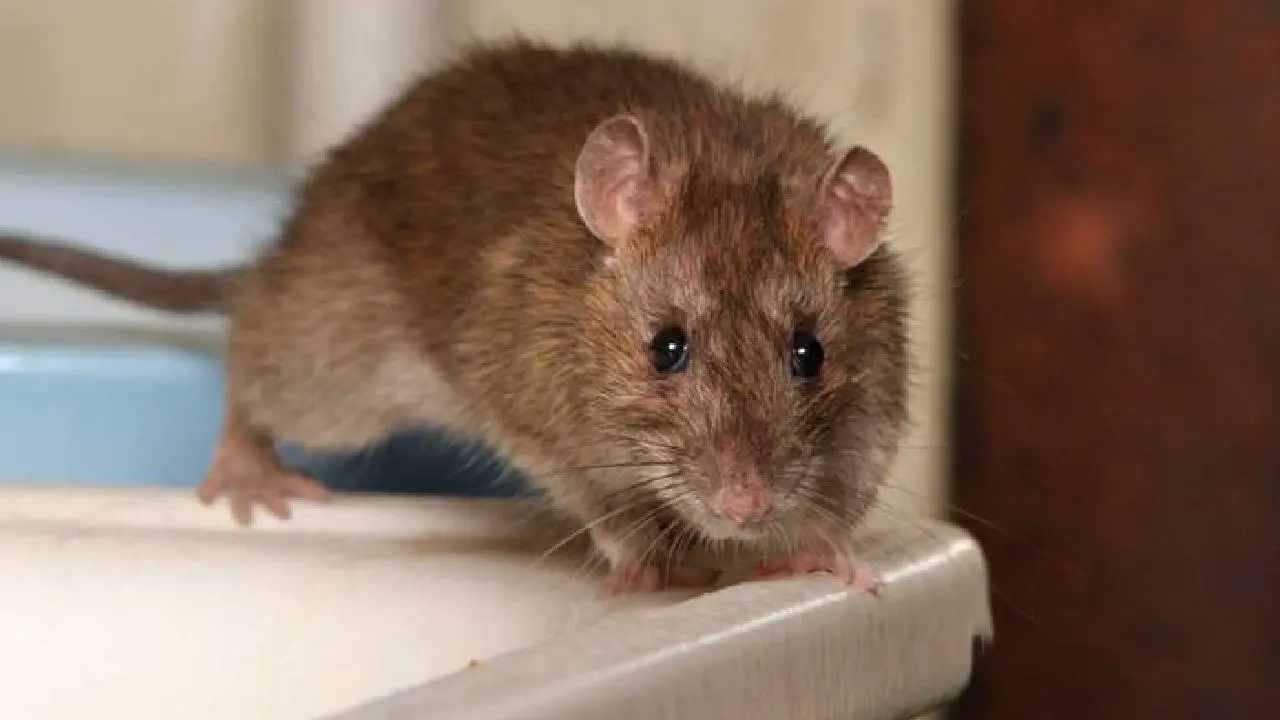
Rats are the main carriers of the bacteria. Cattle, pigs, and dogs can also be carriers. The disease can be transmitted from water bodies, drains, ponds, and fields contaminated with the urine of disease-carrying organisms.
Pathogens enter mainly through wounds in the body. It can also be spread through the thin mucous membranes of the mouth, eyes, and nose.
Symptoms
The symptoms are very similar to those of a those of a common viral fever.
- Fever accompanied by severe muscle aches, headaches, redness in the eyes, and spots on the body
- Jaundice
- No symptoms such as sneezing or a runny nose
Preventive measures
- Do not step into stagnant water bodies or rainwater puddles when there are cuts on your limbs.
- Cover the wounds with waterproof bandages.
- Those working in disease-prone areas should wear gloves and socks.
- The doxycycline tablets should be taken as prescribed by the health workers. These antibiotic tablets are available for free at all government centres.
-Dr B Padmakumar (Professor of Medicine, Govt Medical College, Alappuzha)