Coming Soon: Geo-tagging of spice plantations in Kerala
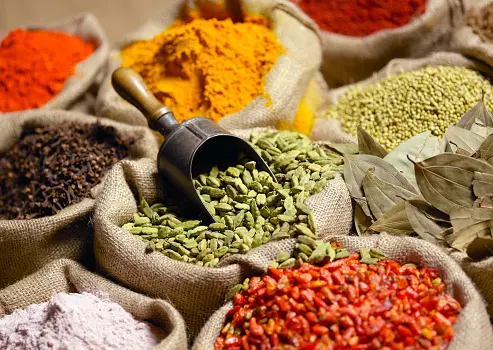
Palakkad: The spice plantations in the state will be geo-tagged to ensure the quality of spices and their exports. Apart from black pepper, the fields of nutmeg, cloves, ginger, turmeric, and other spices will be included in the geo-tagging initiative by the Department of Agriculture. This move aims to enhance the branding of export products and secure organic certification.
Organic certification is based on the production methods and fertilizers used. The Agricultural and Processed Food Products Export Development Authority (APEDA) and other certification agencies will collaborate in this effort.
Idukki leading in pepper
The average annual production of pepper in the state is 32,516 tonnes. Idukki and Wayanad are ahead in terms of plantation area with 40,780 ha and 9,718 ha respectively. Black and white pepper plantations are included in the specific classification and tagging.
Wayanad leads in ginger production, averaging 5,747 tonnes from 1,232 ha of agricultural land. Palakkad, the primary turmeric cultivation area, produces 1,229 tonnes from 343 ha. Thrissur, leading in nutmeg production, yields 4,481 tonnes from 6,968 ha. Idukki is also prominent in clove cultivation, producing approximately 32.76 tonnes from 520 ha.
Authorities have indicated cooperation from the Kerala Agricultural University, the Indian Institute of Spices Research (IISR) Kozhikode, and the Directorate of Arecanut and Spices Development.