Ramacham farming: The fragrant crop that can bring income while protecting Kerala’s soil
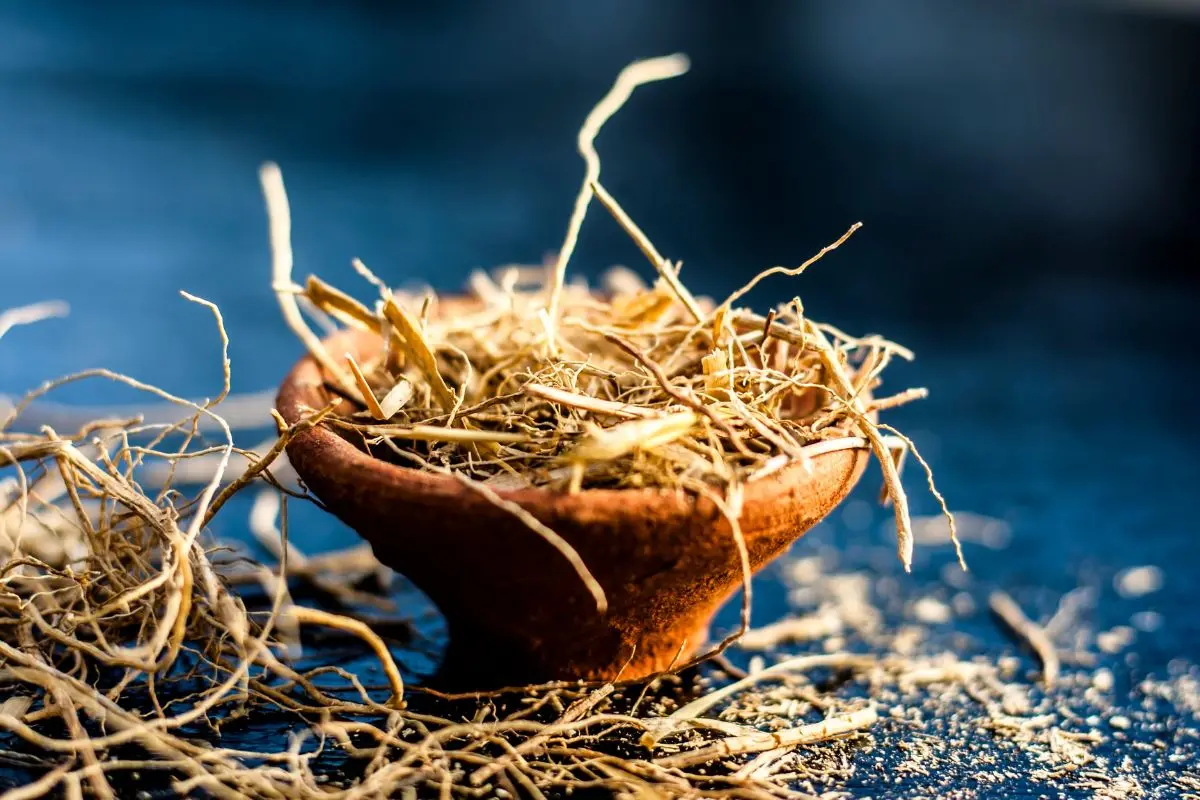
Soil is one of the most important natural resources, and studies indicate that ramacham can offer an effective defence against its degradation. Also known as vetiver or khus, ramacham has the scientific name Chrysopogon zizanioides.
Planting ramacham along contours on hill slopes can significantly reduce soil erosion. In Kerala, the crop has been successfully cultivated in sandy soils in areas including Chavakkad and Orumanayur in Thrissur district, and Ponnani and Veliancode in Malappuram.
The benefits of ramacham extend beyond preventing soil loss. Its roots can also help reduce the concentration of toxic heavy metals such as cadmium, lead and mercury in soil and water, making the plant useful for environmental remediation.
Planting ramacham along the sides of streams and roads can help prevent soil from collapsing. Another method involves using coir-based geotextiles along riverbanks and planting ramacham over them to strengthen vulnerable stretches and protect the soil.
Ramacham is broadly classified into North Indian and South Indian varieties. South Indian varieties generally contain more roots and oil, while North Indian varieties are particularly known for their fragrance.
The Kerala Agricultural University has developed varieties such as 'Bhoomika' and 'Sougandhika'. Pusa hybrid varieties are also known for their good yields.
'Bhoomika' has an additional advantage for soil conservation. As a non-flowering variety, it does not spread uncontrollably through seeds to other areas, making it particularly suitable for use in soil conservation measures.
Ramacham cultivation also offers economic opportunities alongside its medicinal properties. Its roots can be used to make a range of value-added products, including beds, soaps, fans, footwear, curtains and mats.
Farmers can potentially improve returns by cultivating the crop through groups or collectives and producing and marketing value-added products themselves. Varieties capable of producing up to eight tonnes of dry roots per hectare are now available when cultivated scientifically.
Ramacham fences could also help address severe soil erosion experienced in several stretches of the Bharathapuzha river.
For the wider development of ramacham cultivation, financial assistance through Krishi Bhavans and access to bank loans are needed. Proper training and a stable market could help farmers combine environmental conservation with income generation through the crop.