Punjab cows brought for 60-litre yield produce less than 25 litres in Kerala; some die on farms
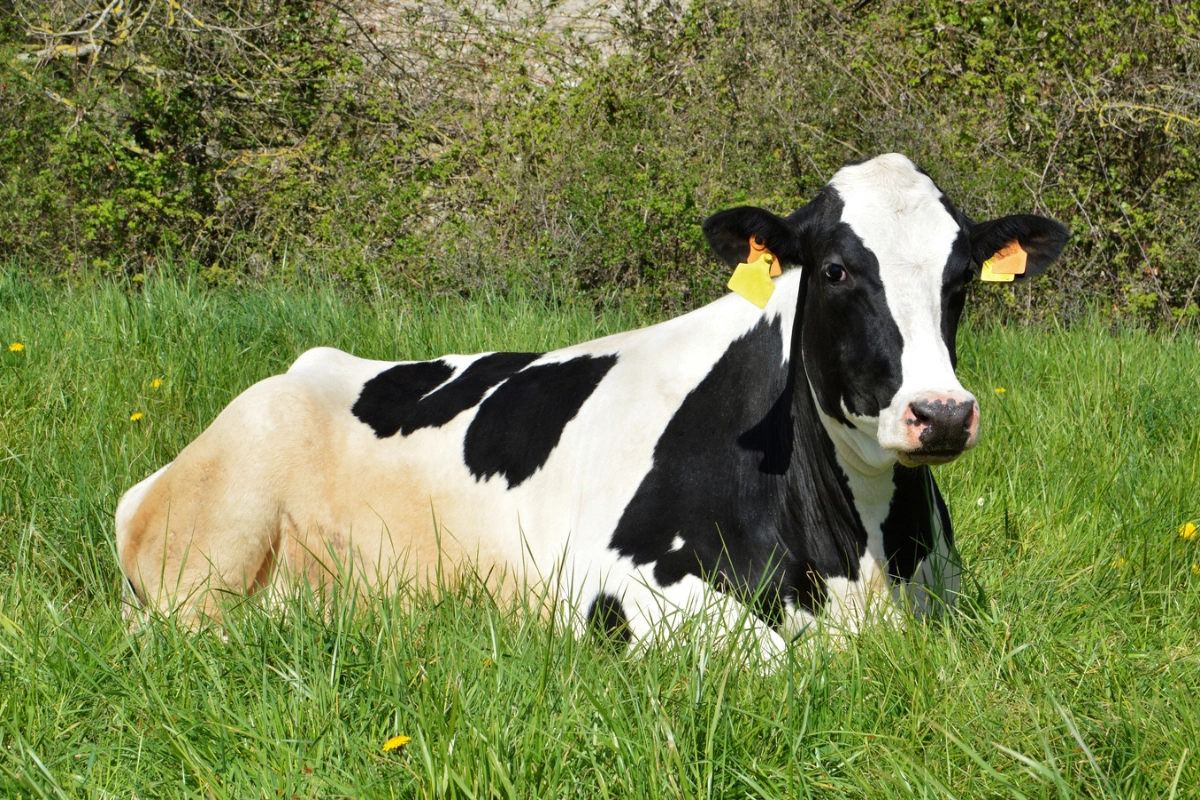
Kozhikode: Dairy farmers in Kerala are facing financial losses after spending lakhs of rupees to bring high-yielding Holstein Friesian cows from Punjab, with several animals producing less milk than expected or dying after reaching the state.
The cows, known for their high milk production, are brought to Kerala in the hope of improving dairy farm output. However, farmers say the investment has not delivered the expected returns. Apart from lower milk production, some have also lost several animals.
Holstein Friesian cows from Punjab are known for their high milk yield, with some reportedly producing 40 to 60 litres of milk a day. However, transporting a cow from Punjab to Kerala in a large truck takes around seven days and costs at least Rs 2.5 lakh per animal.
The stress and physical strain associated with the long journey are believed to affect the animals' health and milk production. As a result, most farmers are reportedly getting less than 25 litres of milk a day from the cows, considerably below the expected yield.
The difference in cattle-rearing conditions between Punjab and Kerala is another challenge.
In Kerala, farmers generally rear cows by providing cattle feed and green grass. In Punjab, however, the animals are often allowed to graze freely in fields and are given quality cattle feed and maize silage.
Most dairy farmers in Kerala may not have the land or facilities needed to recreate these conditions.
A dairy farmer from Kollam reportedly lost six of the seven cows brought from Punjab, highlighting the risks involved in transporting and rearing high-yielding cattle without adequate preparations.
Similar conditions needed to protect cattle
Kerala's high atmospheric humidity can also affect cows brought from other regions, according to Dr Manoj Lal, Chief Veterinary Officer at the District Veterinary Centre in Kozhikode.
He said animals could experience considerable stress when moved to a different climatic environment, regardless of where they were brought from.
" A cow under stress will neither produce good quantities of milk nor have adequate immunity against diseases," he said.
According to him, the only way to address the problem is to recreate the conditions in which the animals were originally raised. However, providing such facilities may not be possible for every dairy farmer.
Farmers hope for long-term benefits
Not all farmers have had the same experience. Abdul Samad of a dairy farm in Palakkad said he had brought 10 cows from Punjab, with mixed results.
Two of the animals died, while four are currently producing more than 30 litres of milk a day.
"The decision to bring the cows was also based on the expectation of getting good-quality calves in the coming years through breeding. The benefits of the investment would become clearer only by next year," he added.