Accused in POCSO case gets four-day bail to appear for NEET exam in Mumbai
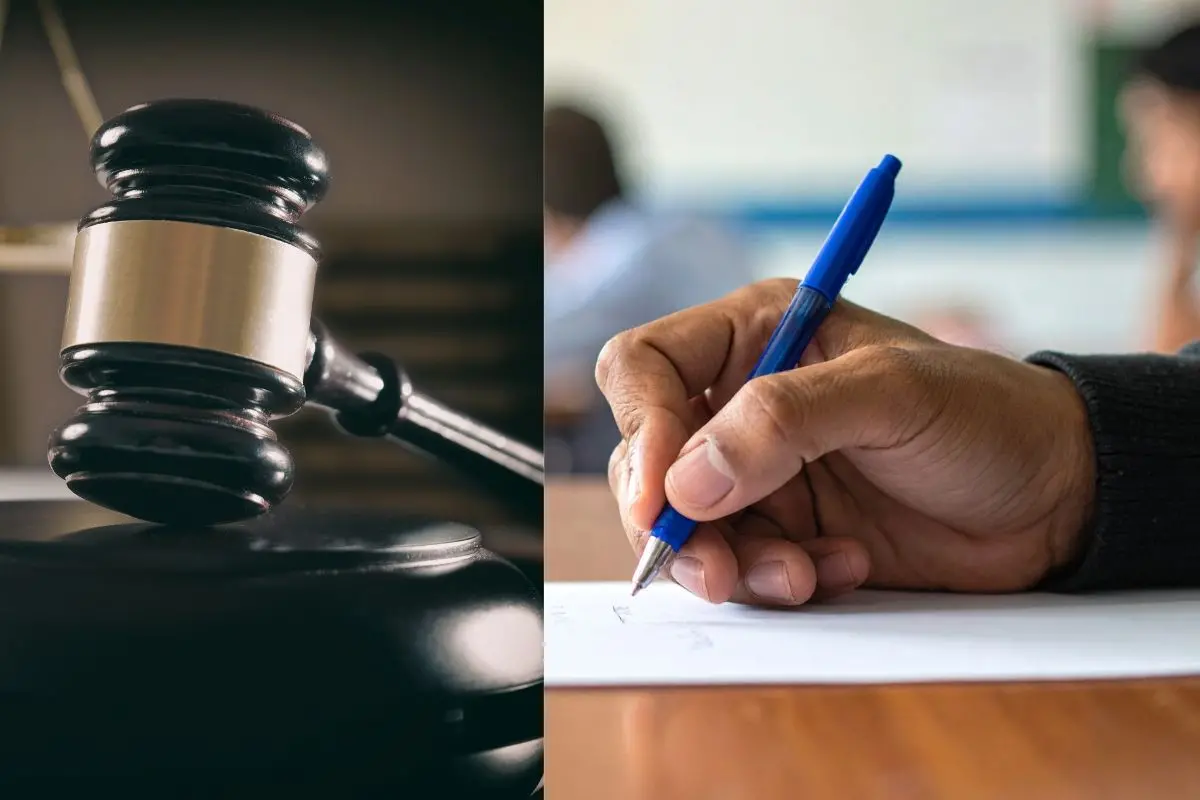
Mumbai: A special POCSO court in Mumbai has allowed a temporary reprieve to an 18-year-old man facing rape charges, granting him four days of bail to sit for his NEET re-examination scheduled for June 21.
Special Judge S R Sharma on Thursday permitted the accused, who is currently lodged at Taloja Central Prison in Navi Mumbai, to be released on bail from June 18 to June 21 on a bond of ₹50,000 with a surety of an equal amount. The court directed that he must surrender before prison authorities by 2 pm on June 22, the day after the medical entrance test.
The accused has been booked under provisions of the Bharatiya Nyaya Sanhita (BNS) for rape, along with charges under the Protection of Children from Sexual Offences (POCSO) Act, 2012. His defence counsel, Advocate Kapil Vishwas Zodge, argued that the justice system should also allow space for rehabilitation and education, contending that the young man should be permitted to take the examination to secure his academic future. He further submitted that preparing for the exam under police escort would be detrimental to his mental well-being.
The prosecution, led by Special Public Prosecutor Chaitrali Panshikar, opposed the plea, emphasising the gravity of the allegations. It suggested that if the court was inclined to grant permission, the accused should instead be allowed to appear for the exam under police escort for a single day.
The court, however, noted that valid documentary evidence, including the accused’s higher secondary certificate and provisional NEET admit card, established sufficient grounds for granting temporary bail. It observed that concerns raised by the prosecution could be addressed through appropriate conditions.
The judge remarked that there were “perspicuous valid grounds” to allow the accused temporary release, while imposing strict safeguards. These include a condition that he must not contact the complainant or her family, attempt to influence witnesses, tamper with evidence, or issue any threats or inducements connected to the case.
The court further required him to furnish an undertaking confirming his intention to appear for the examination and to submit proof of attendance upon his return to custody.