2 chances to clear boards: CBSE’s aim at reducing exam stress
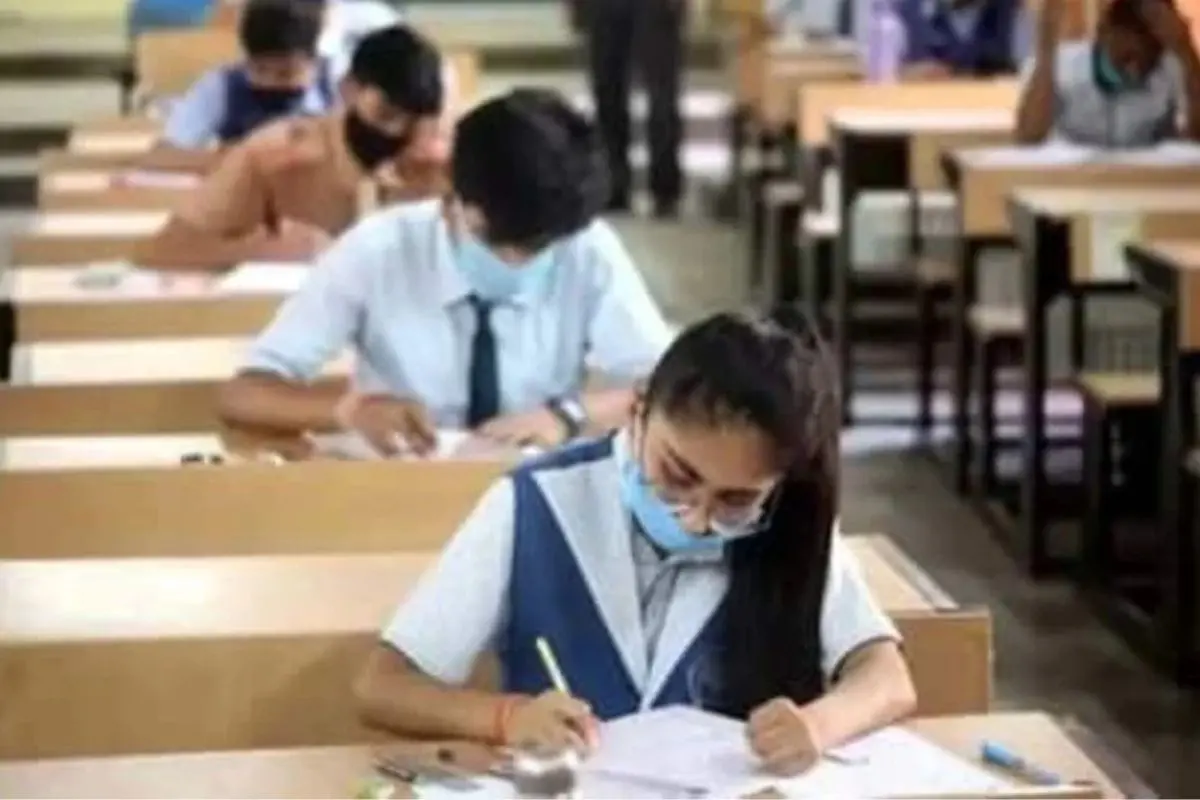
New Delhi: The Central Board of Secondary Education (CBSE) has announced sweeping changes to the Class 10 board exam system from the 2025–26 academic year, with the first tests under the new format scheduled in 2026.
Inspired by the National Education Policy (NEP) 2020, the reforms include two exam windows per year, stricter attendance rules, new registration guidelines, and changes to how results and certificates will be issued.
Two Exam Windows
From 2026, students will have the option of taking the main exam in mid-February and a second exam in May.
The May session will serve as both an improvement window and a compartment exam for failed subjects. Both exams will cover the full syllabus, with no change in the pattern or marking scheme.
Results & Assessments
Results of the February exam will be declared in April, while those of the May session will be released in June.
Internal assessments will be conducted once, before the February exam. Students satisfied with their February results can skip the May session.
Who Can Reappear?
The May exam is open to students seeking improvement in up to three subjects, those who failed in one or two subjects, and special cases such as athletes or students in winter-bound schools.
However, students failing in three or more subjects in February will be declared “Essential Repeat” and will have to wait until the next year.
Attendance & Registration Rules
CBSE has reiterated that schools must strictly comply with minimum attendance requirements for students to be eligible.
Candidates’ names must be correctly entered in the List of Candidates (LOC) for the February exam, as no additions will be allowed for the May session.
Certificates & DigiLocker
The final mark sheet and passing certificate will be issued after the June results, based on a student’s best performance across the two attempts. A provisional performance document will be uploaded to DigiLocker after the February exam, which can be used for Class XI admissions if students opt not to reappear.
Infrastructure & Monitoring
As part of updated affiliation norms, schools will now be required to install high-resolution CCTV cameras with audio-visual recording at all critical points on campus.
Implications
The reforms are aimed at reducing exam stress by giving students a second chance, spreading learning evenly across the year, and encouraging better planning.
However, schools and teachers will face new responsibilities in lesson planning, assessment, and advising students on reappearing options.
The changes mark a major shift from the single high-stakes exam model, with CBSE stressing that their success will depend on how well rigor and flexibility are balanced.