The tightrope of trade: Navigating India-US economic ties
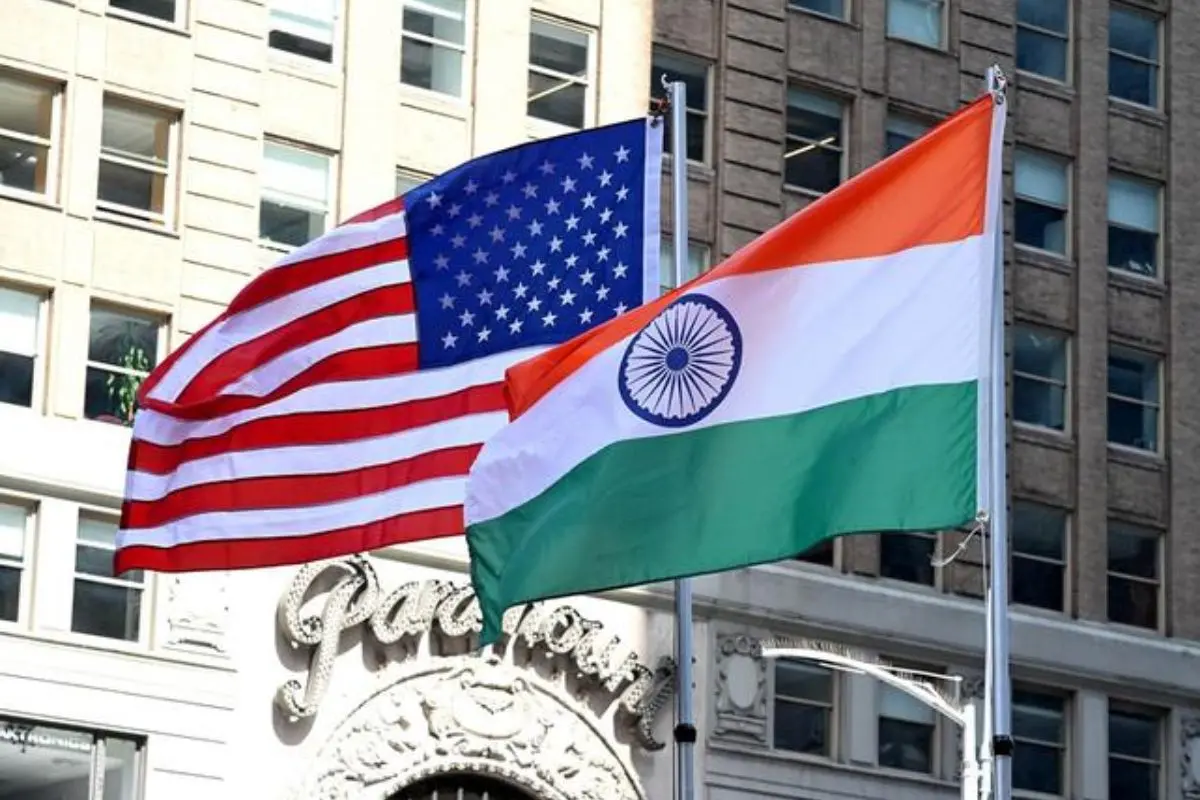
August 1st is the deadline for US tariffs – officially “reciprocal”, but arguably punitive – to kick in. India and the United States do not yet have a trade deal. The vibrant, often contentious, dance between Washington and New Delhi continues, played out on the world stage under the spotlight of trade. While both nations rhetorically champion a deeper, more strategic economic partnership, the reality on the ground is far more complex, a tapestry woven with shared ambitions, persistent anxieties over tariffs, and a growing sense of urgency in a world grappling with geopolitical instability.
For India, the United States represents a crucial market, a vital source of foreign investment, and a key technological partner. For the US, India offers a massive, rapidly growing consumer base, a strategically partner in the Indo-Pacific, and a potential bulwark against China's increasing economic dominance. This mutual recognition of strategic importance, however, does not automatically translate into frictionless trade relations. The uncertain outcome of the current trade talks between the two countries reflects this.
The trajectory of India-US trade has been largely positive. Bilateral trade in goods and services has witnessed significant growth in recent years, propelled by India's burgeoning tech sector, rising disposable incomes and the US's demand for skilled labour and innovative solutions. However, the absence of a comprehensive trade agreement continues to cast a shadow, leaving significant potential untapped and creating fertile ground for simmering disputes.
Recent efforts to address specific issues have yielded some progress. The resolution of long-standing disputes at the World Trade Organization (WTO) regarding agricultural products and certain steel and aluminium tariffs is a welcome sign. The increased focus on cooperation in emerging technologies like artificial intelligence, quantum computing and semiconductors holds immense promise for future growth. The two countries’ "Initiative on Critical and Emerging Technology (ICET)" aims to foster collaboration in these critical areas, recognizing their strategic importance for both nations.
Despite these positive developments, several critical hurdles remain, preventing the relationship from reaching its full potential. These concerns are felt on both sides, reflecting differing priorities, regulatory frameworks and economic philosophies.
From India's perspective, the primary concerns revolve around access to the US market and ensuring equitable terms of engagement. Indian exporters, particularly in sectors like pharmaceuticals, agriculture, and textiles, often face tariff and non-tariff barriers that limit their competitiveness.
Stringent regulations, cumbersome certification processes, and differing standards present significant challenges, especially for small and medium-sized enterprises (SMEs).
The issue of visa restrictions for skilled professionals, particularly those in the IT sector, remains a contentious point. Indian companies rely heavily on the H-1B visa programme to deploy talent to the US, but increasingly restrictive policies and backlogs are hindering their ability to serve US clients effectively. India argues that these policies not only impede its economic growth but also negatively impact US businesses that rely on Indian expertise.
Furthermore, India is wary of protectionist measures that could undermine its nascent manufacturing sector. The "Make in India" initiative aims to transform the country into a global manufacturing hub, and access to the US market is crucial for its success. Concerns about Buy American provisions and other protectionist policies within the US government, notably the imposition of “reciprocal tariffs”, are hindering potential investment and collaboration in key sectors.
India emphasizes the need for a differentiated approach that recognizes its developing country status. It argues that demanding reciprocal concessions on par with developed economies would be detrimental to its economic growth and developmental agenda. Issues such as intellectual property rights, environmental regulations, and labour standards are viewed through the lens of national development priorities.
The United States, on the other hand, focuses primarily on ensuring fair competition, securing greater market access for its goods and services, and addressing concerns related to intellectual property rights and data security.
The Trump Administration’s vocal concerns about India's tariff structure, it sees as being excessively high compared to other major economies, constitute a major challenge. Sectors like agriculture, automobiles, and medical devices face substantial tariffs that limit their competitiveness in the Indian market. The US also seeks greater liberalization in sectors like financial services and e-commerce, where regulatory barriers and local content requirements hinder foreign investment.
Intellectual property protection remains a significant point of contention. The US pharmaceutical industry, in particular, has been critical of India's patent laws, arguing that they undermine innovation and allow for the production of generic versions of patented drugs too quickly. Concerns have also been raised about the enforcement of intellectual property rights in the digital domain, particularly regarding piracy and counterfeiting.
In recent years, data localization policies have emerged as another area of friction. India's push for local storage of data generated within its borders has raised concerns among US tech companies about increased costs, potential disruptions to cross-border data flows, and the ability to maintain global competitiveness. The US argues that such policies can stifle innovation and hinder the growth of digital trade.
Furthermore, concerns about India’s allegedly discriminatory practices against foreign companies and a lack of regulatory transparency remain persistent issues. The US seeks a more predictable and transparent regulatory environment in India to facilitate greater investment and trade.
Despite the challenges, the prospects for deepening India-US trade relations remain promising. The growing strategic alignment between the two countries, coupled with their shared interest in countering China's influence, provides a strong impetus for cooperation.
To achieve a more robust and mutually beneficial trade relationship, both sides need to adopt a pragmatic and flexible approach. The pursuit of a comprehensive bilateral trade agreement seems to have run into some heavy weather. India’s worry about its agriculture and dairy sectors being swamped by US imports have a political resonance that the Modi government cannot ignore. Perhaps a more practical short-term approach would be to focus on addressing specific points of opportunity and building trust through incremental progress.
Focusing on specific sectors with high growth potential, such as clean energy, healthcare, and infrastructure, could yield significant benefits. Joint initiatives to promote innovation, develop supply chains, and enhance regulatory cooperation could create new opportunities for both countries.
Moreover, increased dialogue and engagement at both the government and private sector levels are crucial for addressing concerns and building understanding. Regular consultations, trade missions, and industry forums can provide platforms for discussing issues and exploring potential solutions.
Ultimately, success hinges on a willingness to compromise and a shared commitment to creating a level playing field. India needs to address concerns about market access, intellectual property protection, and regulatory transparency, while the US needs to address concerns about visa restrictions, protectionist measures, and a differentiated approach that recognizes India's developmental needs. What is not clear is whether the Trump Administration has the patience for such an approach or whether it will insist on “all or nothing”.
The consequences of failing to deepen India-US trade relations would be significant, both economically and strategically. Economically, both countries would miss out on substantial opportunities for growth and job creation. India's ambitious development goals would be harder to achieve without access to US technology, white the US would lose out on a key partner in its efforts to diversify supply chains expand its economic footprint in Asia.
Strategically, a failure to strengthen economic ties could weaken the broader India-US relationship and undermine their ability to address shared challenges. It could also create opportunities for other players, such as China, to increase their influence in the region.
In a world characterized by growing geopolitical competition, a strong and resilient India-US partnership is essential for maintaining stability and promoting a rules-based international order.
Navigating the tightrope of India-US trade relations requires careful balancing, pragmatic compromise, and a long-term strategic vision. Both countries have much to gain from a deeper, more robust economic partnership, but realizing this potential requires a commitment to addressing persistent concerns and building trust. The future of the Indo-Pacific region, and indeed the global economic order, may well depend on it. The time for decisive action is now.