Is ethanol-blended fuel safe? Does it give mileage? Modi govt clarifies
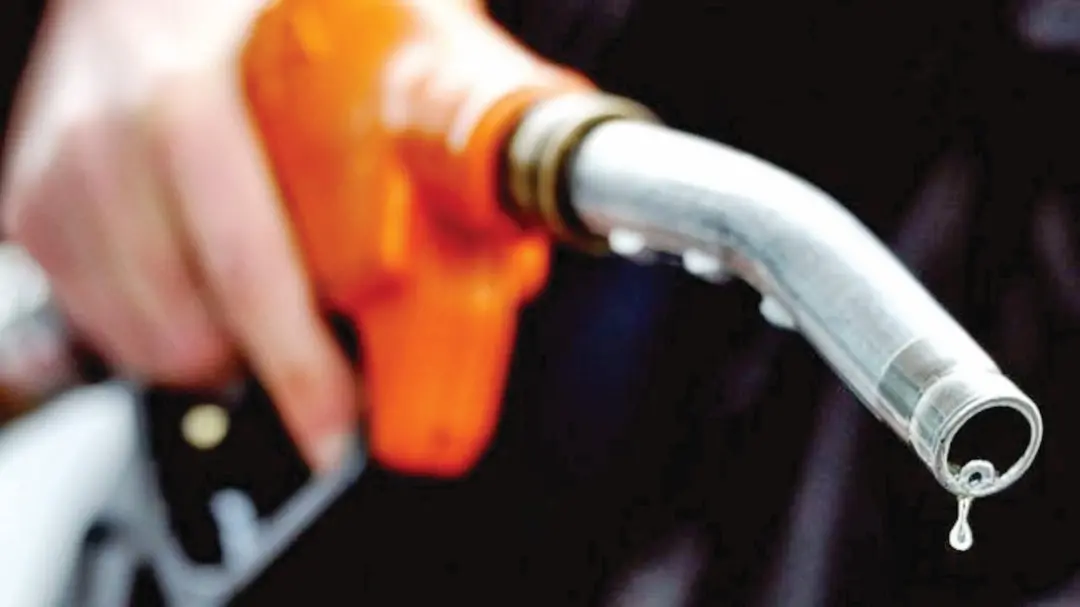
The Ministry of Petroleum and Natural Gas has issued a detailed statement on social media platform X to address public concerns regarding the safety of ethanol-blended fuel (E20), particularly its impact on older vehicles. The clarification comes as India successfully achieved its 20% ethanol blending target in petrol this year, five years ahead of its original timeline.
The ministry's post stated that concerns about the potential negative effects of E20 fuel on vehicles, especially legacy models, are "largely unfounded and not supported by scientific evidence."
E20 poses no significant threat
The ministry cited extensive international and domestic studies that found no significant differences in power, torque, or fuel consumption when using ethanol-petrol blends.
Tests conducted on both carbureted and fuel-injected vehicles over 100,000 km showed no abnormal performance issues.
According to material compatibility and drivability tests conducted by leading Indian research bodies like the Automotive Research Association of India (ARAI) and Indian Institute of Petroleum (IIP), legacy vehicles operated with E20 fuel showed "no significant variations, performance issues, or abnormal wear-and-tear."
Additionally, E20 successfully passed hot and cold startability tests without causing any engine damage.
Clarifying key concerns
The ministry also directly addressed specific concerns regarding fuel efficiency, material corrosion, and environmental impact:
⦁Fuel Efficiency: The ministry acknowledged a marginal decrease in mileage due to ethanol's lower energy density, estimating a 1–2% drop for E20-compatible vehicles and a 3–6% drop for others. This can be mitigated through improved engine tuning. The Society of Indian Automobile Manufacturers (SIAM) has confirmed that E20-compliant vehicles with upgraded components have been in production since April 2023, refuting claims of a drastic drop in efficiency.
⦁Material Corrosion: The statement assured that safety standards for E20, including corrosion inhibitors, are well-established. It noted that the replacement of some rubber parts or gaskets might be advised in certain older vehicles after prolonged use (20,000 to 30,000 km), which is an "inexpensive and easily done" procedure during regular servicing.
⦁ Environmental Benefits: Ethanol blending is positioned as an environmentally sustainable solution. The ministry highlighted that it replaces fossil fuels, reducing CO2 emissions. India's program uses a diversified feedstock – including surplus rice, maize, and agricultural residues – which also supports the push for second-generation (2G) biofuels. A NITI Aayog study found that ethanol produced from sugarcane and maize results in 65% and 50% fewer greenhouse gas (GHG) emissions, respectively, compared to petrol.