Want Instagram’s viral flash-photo look? Here’s the AI prompt you need
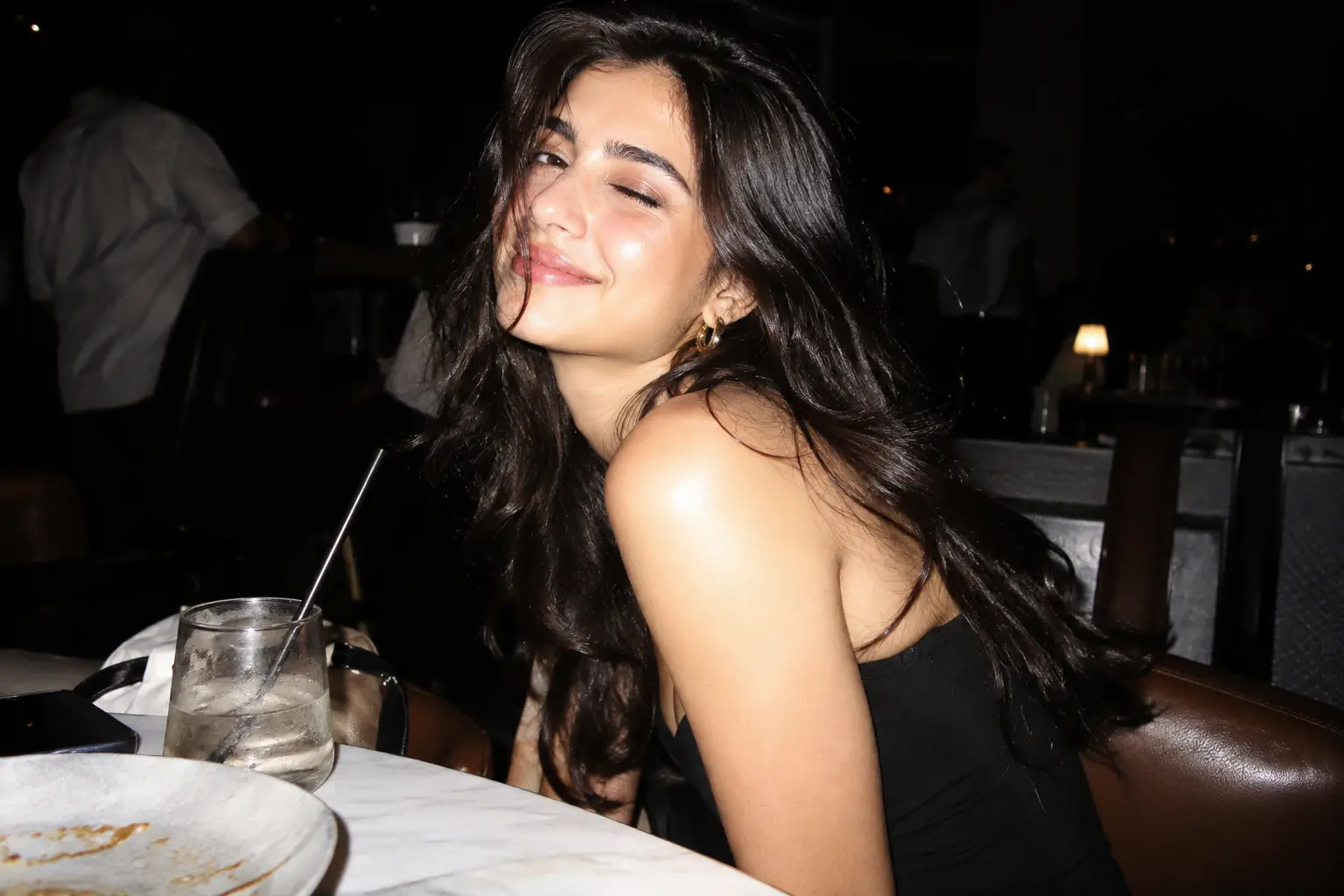
The latest photo-editing trend taking over social media does not necessarily require a new camera, expensive lighting equipment or hours of manual editing.
A carefully worded AI prompt can now recreate the distinctive direct-flash Instagram aesthetic, complete with bright faces, harsh highlights, deep shadows and a slightly grainy nightlife look.
The trend revolves around a simple idea: users upload an existing photograph to an AI image-editing tool and ask it to transform the lighting while keeping their facial features and overall appearance intact.
The resulting images are designed to resemble photographs taken with a direct camera flash in a dimly lit setting.
The face appears brightly illuminated, while the background remains darker, creating the candid, slightly imperfect look associated with party photographs and late-night Instagram posts.
One prompt users can try is:
'Direct on-camera flash photography, harsh bright flash, slightly overexposed highlights, crisp skin texture, natural skin tone, subtle shadows, glossy eyes, high contrast, candid Instagram aesthetic, nightlife party photography, realistic grain, sharp details, authentic unedited look, 35mm flash photography, no facial changes, preserve identity.'
The wording is important because it tells the AI not simply to brighten the photograph, but to recreate the characteristics of direct-flash photography.
Terms such as 'harsh bright flash' and 'slightly overexposed highlights' push the model towards the strong lighting associated with a camera flash. Meanwhile, 'dark ambient background', 'high contrast' and 'realistic grain' can help create the low-light party-photography appearance.
For users looking for a more polished social-media aesthetic, the prompt can be tweaked further:
'Luxury Instagram flash photo, direct harsh flash, dark ambient background, bright illuminated face, subtle red-eye effect, glossy skin, crisp details, high contrast, slight film grain, candid nightlife aesthetic, effortless cool-girl vibe, realistic photography, preserve original face and features.'
The second version puts more emphasis on the stylised Instagram look, while still asking the AI to preserve the person's original facial features.
Why the effect works
Traditional flash photography produces a very specific visual combination. The subject close to the camera receives a sudden burst of light, while objects farther away receive considerably less illumination. This creates a bright foreground and a darker background.
AI image editors can imitate these characteristics by changing the lighting, contrast, shadows, highlights and texture of an existing image.
The prompt also illustrates an increasingly common way of using generative AI for photo editing. Instead of telling an AI tool to simply 'make this photo better', users can describe the camera, lighting, atmosphere and photographic style they want.
That makes prompts increasingly similar to instructions given to a photographer.
However, users should remember that AI editing can alter details even when instructed to preserve a person's identity. Hair, skin texture, facial proportions, clothing and background elements can sometimes change during the editing process.
For the most natural result, users can therefore combine the flash prompt with instructions such as 'preserve facial structure', 'do not alter my features', 'keep the original outfit' and 'do not change the background composition.'
The result is essentially a digital recreation of the disposable-camera and point-and-shoot flash aesthetic that has repeatedly returned to fashion and social media.
And with AI doing the heavy lifting, recreating that seemingly effortless late-night Instagram flash look may now be only one prompt away.