UN report warns of deepening ocean crisis amid climate change and pollution
Paris: The world's oceans are facing a worsening environmental crisis driven by climate change, pollution, biodiversity loss and overfishing, according to a landmark United Nations assessment released on Monday.
Compiled over five years by around 600 scientists from across the globe, the third World Ocean Assessment paints a stark picture of increasingly stressed marine ecosystems, accelerating sea-level rise, shrinking polar ice and mounting threats to ocean biodiversity.
Covering more than 1,300 pages, the report warns that the health of the oceans, which cover over 70 per cent of the Earth's surface and play a vital role in regulating climate and supporting billions of people, is deteriorating at an alarming pace.
"The ocean is the foundation of life on Earth. But its health is at grave risk as ecosystems and habitats approach or surpass critical tipping points," the assessment said.
The report described the situation as "a deepening crisis, as climate change, pollution, overfishing and biodiversity loss put ocean systems under severe strain".
It added that the findings "demand urgent action, through stronger multilateral cooperation, greater ambition and decisions grounded in the best available science".
The assessment welcomed the implementation of the UN treaty on protecting marine biodiversity in international waters, which came into force earlier this year, calling it "a historic milestone for ocean stewardship and multilateral cooperation".
Oceans warming and sea levels rising at unprecedented pace
The report found that oceans have absorbed more than 90 per cent of the excess heat generated by greenhouse gas emissions and about 30 per cent of carbon dioxide released through the burning of fossil fuels.
According to the assessment, nearly 16 per cent of the total increase in ocean heat recorded since 1955 has occurred since 2018 alone.
Scientists also noted that sea-level rise is accelerating. The annual rate increased from less than 2 millimetres before 2015 to 4.3 millimetres in 2023 as warming waters expand and melting glaciers add more water to the seas.
"The sea level continues to rise at increasing rates," the report said.
Explaining the significance of the increase, marine ecologist Ian Butler said even small annual rises can have major long-term consequences.
"Multiply up really quickly," Butler told AFP.
Arctic ice disappearing, marine ecosystems under pressure
The assessment warned that the Arctic Ocean could become ice-free during September by the middle of this century, with such conditions potentially emerging as early as the 2030s.
"We're seriously looking at an ice-free Arctic Ocean for parts of the year within 10 or 20 years," Butler said.
The report noted that shrinking Arctic ice is also reshaping global geopolitics by opening new shipping routes and intensifying strategic competition among major powers.
In Antarctica, sea ice has declined sharply since 2016 after decades of relative stability.
Marine ecosystems are also experiencing significant disruption as species shift towards cooler waters in response to rising temperatures.
"Some have no future at all because there's nowhere for them to go," Butler said.
Coral reefs remain among the most vulnerable ecosystems. The report said repeated marine heatwaves and powerful storms are leaving reefs with little opportunity to recover.
"Leave little time for recovery and are pushing reefs towards collapse," the assessment noted.
Scientists warned that up to 90 per cent of the world's coral reefs could disappear if global temperatures exceed 1.5 degrees Celsius above pre-industrial levels.
Plastic pollution and deep-sea mining concerns
The UN assessment also highlighted the growing threat posed by plastic pollution, estimating that more than 52 million tonnes of plastic waste enter oceans every year.
This contributes to an estimated 24.4 trillion microplastic particles in marine environments, affecting over 4,000 species.
The report called for greater efforts to curb plastic production and tackle marine waste.
It also raised concerns about deep-sea mining, urging countries to adopt a coordinated international approach before commercial extraction begins.
Environmental groups warned that mining operations could severely damage fragile deep-ocean ecosystems through waste discharge and underwater noise pollution.
Responding to the report, Greenpeace said, "This report must serve as an urgent wake-up call to governments to act to protect the ocean."
Concerns over cuts to ocean monitoring programmes
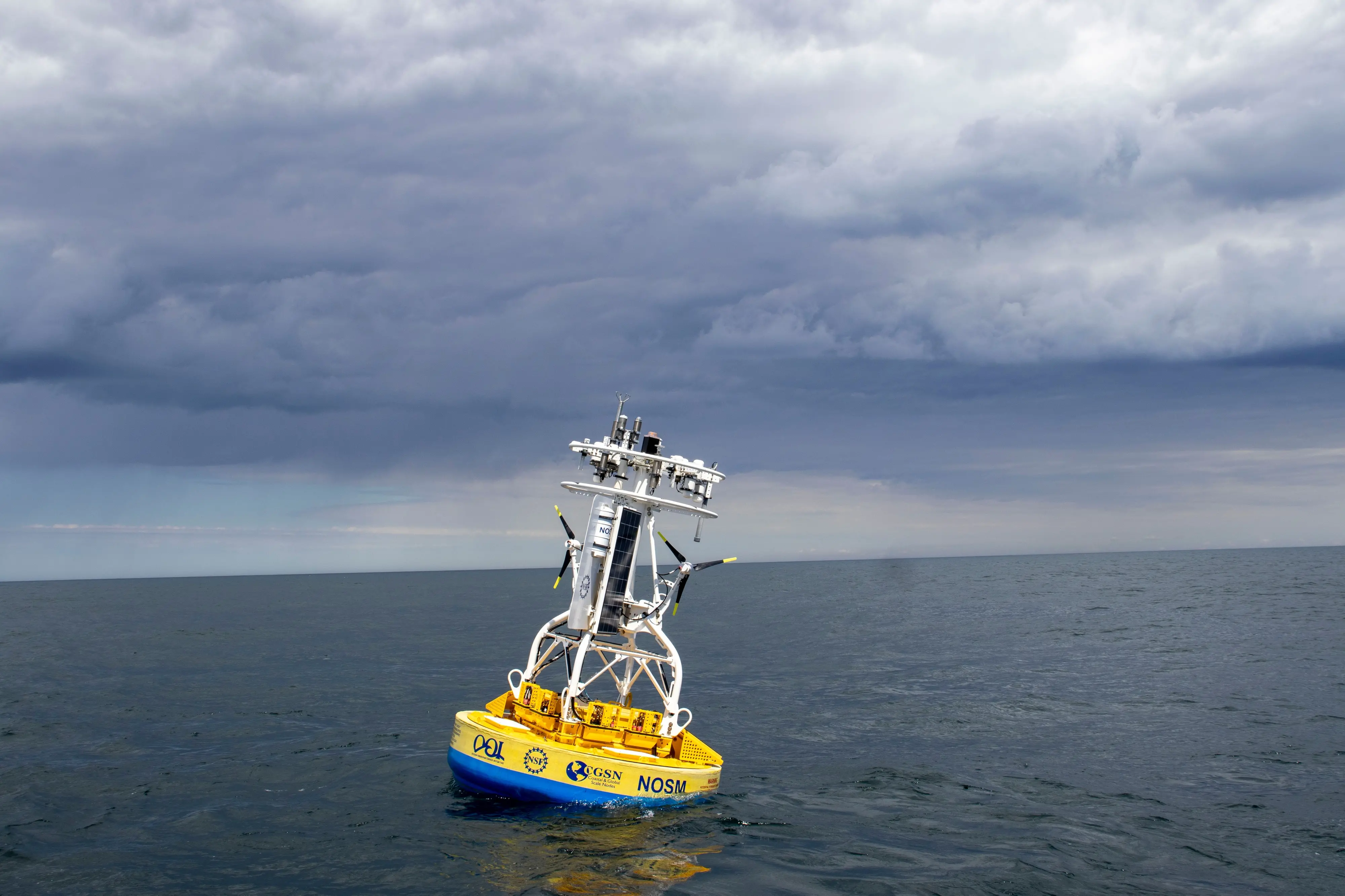
The report comes amid concerns that the administration of US President Donald Trump is planning to remove hundreds of deep-sea monitoring instruments that scientists have used for years to track the impact of climate change on marine environments.
Butler warned that such a move could significantly weaken scientific understanding of long-term ocean changes.
"The deep ocean monitoring system is an extremely important part of our global monitoring and understanding of the ocean," he said.
"The removal of it would leave a huge gap in our long-term ocean science."
In a statement accompanying the report, Antonio Guterres called for a fundamental shift in humanity's relationship with the oceans.
"We cannot keep treating the ocean as limitless," Guterres said.
"We must build a new relationship with the ocean: Grounded in science. Framed by international law. And built on shared responsibility."