Rare alliance of over 1 lakh spiders, a megacity: A toxic cave now hosts world’s largest web
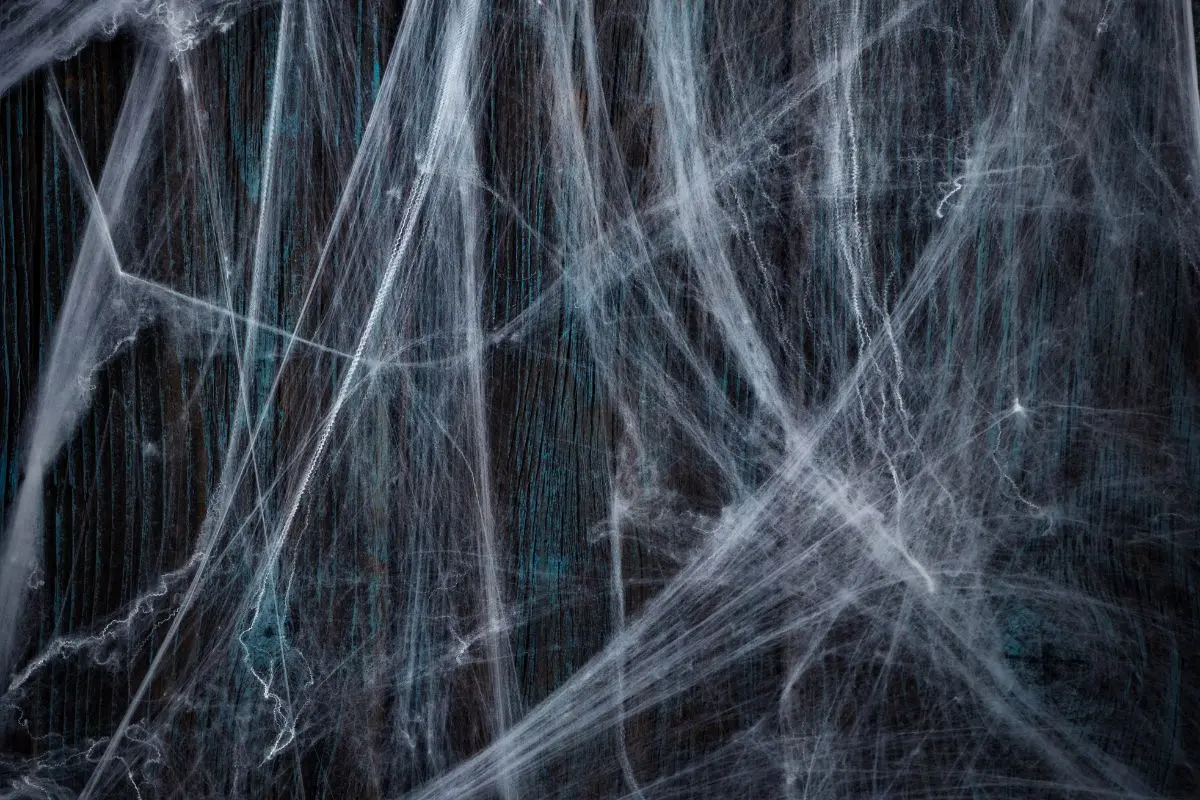
Researchers have identified what is believed to be the world’s largest known spider web — a sprawling “megacity” of arachnids hidden inside the Sulfur Cave on the Albania-Greece border.
The extraordinary web, first spotted during an underground wildlife survey in 2022, spans nearly 100 square metres — roughly the size of a small house. Scientists say this marks a rare case of large-scale cooperation between typically solitary spider species.
Record population of spiders
Inside the cave, researchers counted about 1,11,000 spiders living together — 69,000 domestic house spiders (Tegenaria domestica), also called barn funnel weavers, and 42,000 Prinerigone vagans, a sheet weaver species.
The finding astonished scientists, as both species are usually loners. “The most impressive occurrence in this cave,” the researchers described in their study, referring to the unique coexistence of multiple species in a single web structure.
Cooperation in the dark
In normal environments, larger barn funnel weavers would prey on the smaller P. vagans. However, the pitch-black cave appears to prevent aggression.
“But in the cave, because it’s dark in there, our hypothesis was that they do not see each other. So they do not attack,” said Blerina Vrenozi, a biologist at the University of Tirana, in an interview reported by the New York Times.
Dr. Vrenozi, who has spent 18 years studying spiders, said she had “never seen such a community”. The absence of light may allow P. vagans to live unnoticed among the larger barn funnel spiders.
Life amid toxic gases
The Sulfur Cave is an extreme environment, filled with high levels of foul-smelling hydrogen sulfide gas — too toxic for most animals. The cave’s walls were carved out by sulfuric acid.
“All you could smell was sulfur hydrogen, and you cannot breathe,” recalled Dr. Vrenozi, noting that most researchers had to wear masks while studying the site.
Abundant food sustains the colony
Despite the toxic air, the web thrives thanks to an abundant food source — an estimated 2.4 million midges.
Microbes within the cave feed these midges, which then become trapped in the web, providing steady nourishment for the spiders. The study notes that T. domestica likely colonised the cave “driven by abundant food resources represented by the dense swarm of chironomids thriving in the cave”.
DNA analysis revealed that the cave spiders have adapted genetically, becoming distinct from relatives found outside the cave.
Global experts weigh in
Dinesh Rao, a spider biologist from the University of Veracruz in Mexico, who was not involved in the research, told the Independent that the population estimate appeared reliable.
Dr. Vrenozi added that further studies will focus on understanding how solitary species developed such unusual cooperation under these extreme cave conditions.