Genes may play a bigger role in how long you live than previously thought
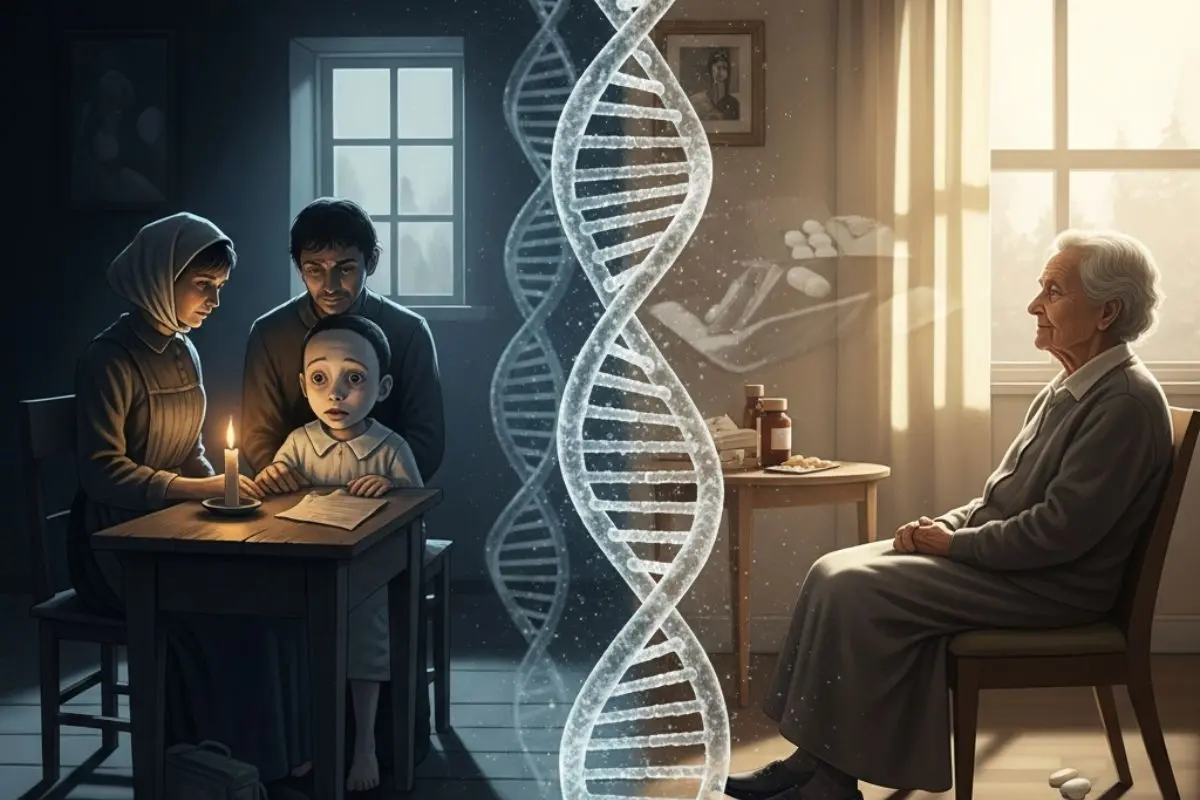
For decades, scientists believed that genetics accounted for only around 20–25 per cent of human lifespan, with lifestyle and environment making up the rest. But new research published in Science suggests the genetic contribution could be far higher; closer to 50–55 per cent.
The study, which analysed large groups of Scandinavian twins as well as siblings of US centenarians, excluded deaths from external causes such as accidents and infections. Researchers found that when only age-related diseases and intrinsic causes of death were considered, the genetic influence on longevity appeared much stronger.
This shift reflects how causes of death have changed over time. In developed countries, most deaths now result from ageing and conditions such as dementia and heart disease, where genetic factors play a significant role. By contrast, in earlier generations, external threats like infections and poor nutrition masked genetic effects.
Experts caution that the findings do not mean genes alone determine half of a person’s life chances. Instead, they highlight how heritability depends on context: as environmental risks decline, genetic differences become more visible. The principle is similar to human height – once nutrition is adequate for most people, genetics explains more of the variation.
The authors stress that environment, lifestyle, healthcare and random biological processes still account for about half of lifespan variation. They argue the results should spur further research into the genetic mechanisms of ageing and how they interact with different environments.
Ultimately, the study underscores that both genes and environment matter – and that longevity emerges from the interplay between the two.