40 per cent of tasks gone? Sam Altman details AI's impact on human workforce
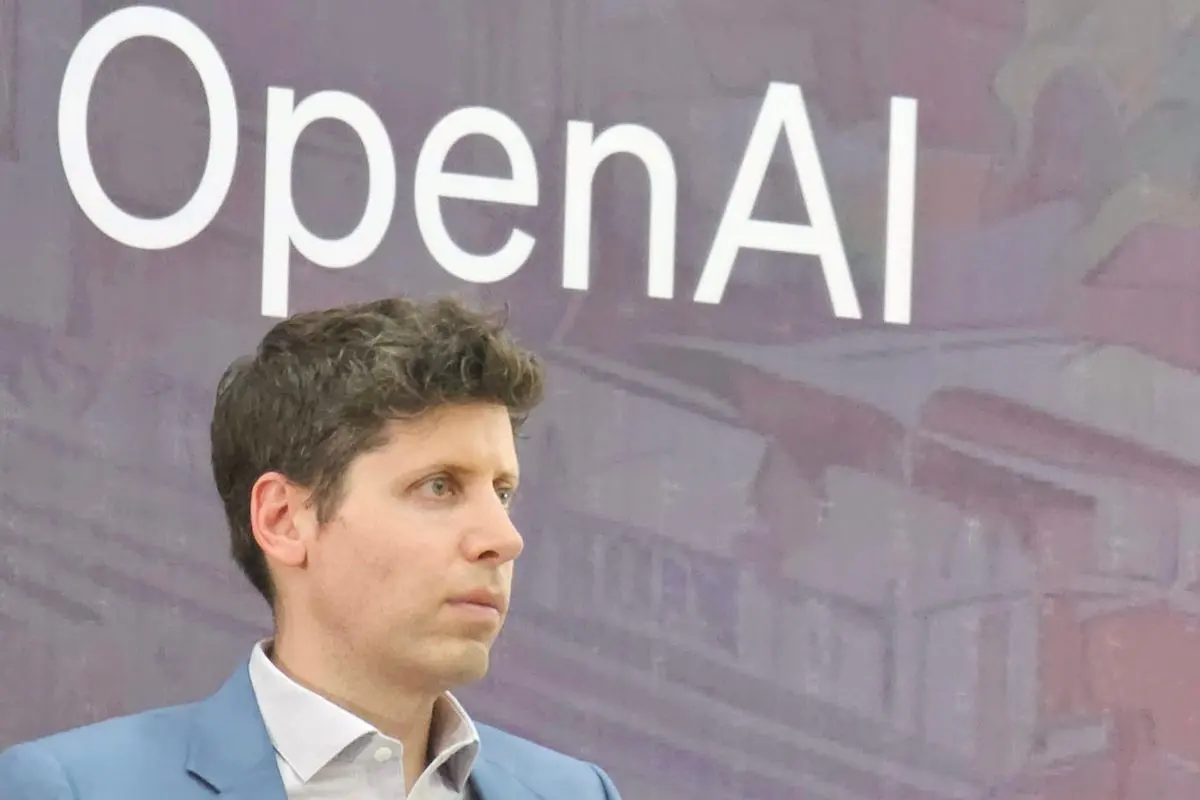
OpenAI CEO Sam Altman has predicted that artificial intelligence (AI) could soon automate up to 40 per cent of the tasks currently performed by humans. Speaking after receiving the Axel Springer Award, Altman shared his vision about the rapid progress of AI and the potential arrival of superintelligence by 2030, a breakthrough that could transform science, work, and society as a whole.
Rapid Progress toward Superintelligence
Altman explained that AI models like GPT-5 are already smarter than he is in many respects. While AI still struggles with tasks humans find effortless, the pace of advancement is “extremely steep.” He foresees AI soon making scientific discoveries beyond human capability. “By the end of this decade, by 2030, if we don't have extraordinarily capable models that do things that we ourselves cannot do, I'd be very surprised,” Altman said.
Impact on Jobs and Economy
Addressing concerns about job loss, Altman clarified that it is more useful to think in terms of tasks rather than entire jobs. He believes 30 to 40 per cent of the tasks in today’s economy could be handled by AI in the near future. While some jobs may disappear, new forms of work will emerge. Adaptability and the “meta-skill of learning how to learn” will be crucial for thriving in the AI-driven economy.
Human Values and AI Alignment
Despite fears surrounding AI, Altman dismissed the notion that superintelligence would render humans irrelevant or treat them like “ants.” He emphasised that AI is a tool without intent, and the real risk lies in unintended consequences if AI is not carefully aligned with human values. He highlighted the importance of ethical AI development to ensure positive outcomes for humanity.
Future Innovations
Altman also hinted at OpenAI’s hardware ambitions, including “a small family of devices” designed to revolutionise how people interact with technology, streamlining complex tasks without overwhelming users with multiple applications.