Can a mobile phone really test soil? The technology behind PM Modi's claim explained | VIDEO
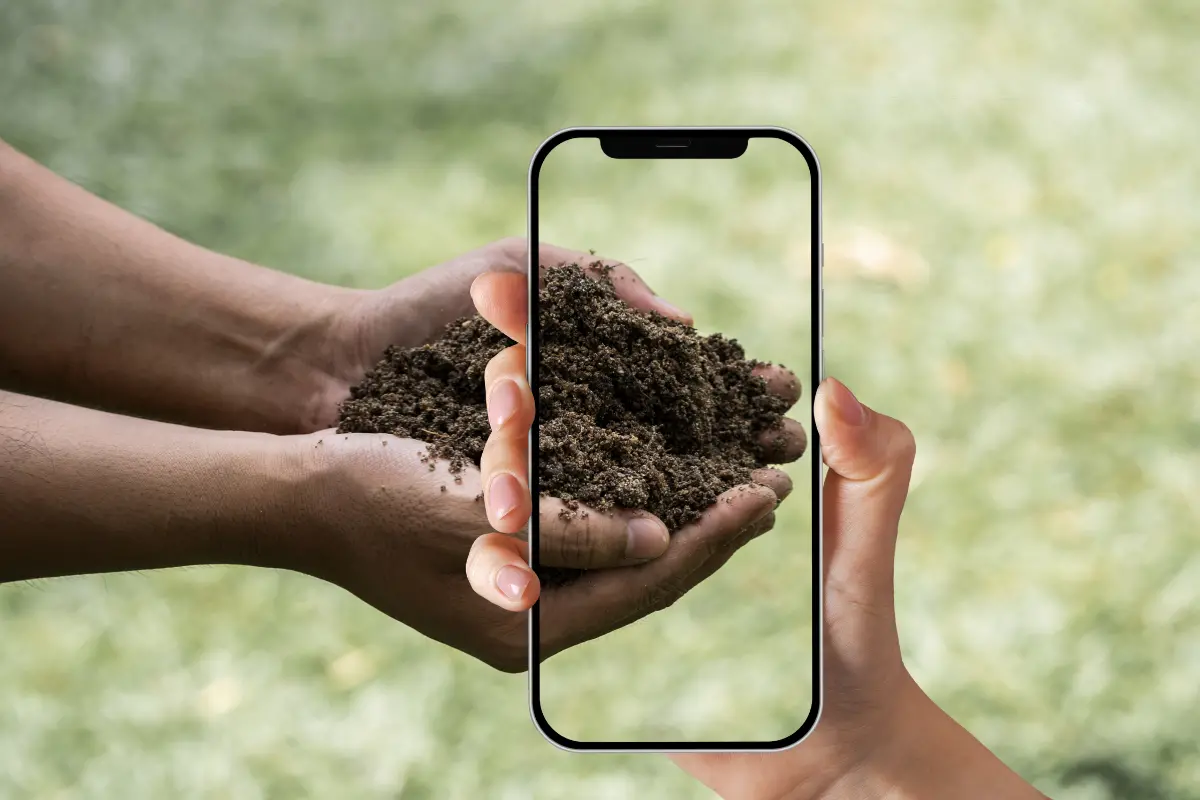
Prime Minister Narendra Modi's remark about testing soil using mobile phones has triggered a wave of jokes and questions online. But can a farmer really put a little soil on a device and get an instant report on its quality and fertiliser requirements?
The answer is yes, with an important distinction: the smartphone does not test the soil on its own. It works with a separate, portable testing device that analyses a soil sample and sends the results to a mobile app.
Speaking at the Kisan Tak Bharat Agriculture Conference at Bharat Mandapam in New Delhi on November 12, Modi said arrangements were being developed to enable soil testing through mobile phones. He described a system in which a farmer places a small amount of soil on a mobile-based device and receives a report identifying suitable crops and the type and quantity of fertiliser required.
He also referred to sensor-based equipment powered by artificial intelligence (AI), which could provide precise information to farmers at an affordable cost.
The remarks soon became a talking point on social media. The Aam Aadmi Party and Cockroach Janta Party shared a clip of the speech along with memes, taking a dig at the Prime Minister.
The viral reaction raised a basic question: is this technology real, or is the idea of testing soil through a phone too good to be true?
Not by itself. However, portable soil-testing devices that connect to smartphones already exist in India. They use sensors or chemical reactions to examine a small soil sample, while a mobile application displays the results.
An India Today report on the science behind Modi's remarks highlighted two examples: NutriSens, a portable testing system developed by Pune-based scientist Dr Rajul Patkar, and Bhu-Parikshak, developed at IIT Kanpur.
These devices show that the broader idea of getting soil test results on a phone is not new or imaginary. The phone acts as the interface for the results; the actual analysis is carried out by the testing equipment.
How does a mobile-connected soil tester work?
One example is NutriSens, which uses a paper-based sensor system to analyse soil. According to NITI Aayog's Frontier Tech Hub, the device can test six soil parameters using just one gram of soil and deliver results through a mobile app in under five minutes.
The process involves mixing the soil with a solution that extracts its nutrients. A drop of the prepared liquid is then placed on a disposable paper strip containing tiny sensors. These sensors react to specific substances in the sample and generate electrical signals. A reader interprets those signals and sends the results to the connected phone.
The app then displays information about the soil's condition, helping farmers make decisions about fertiliser use.
Another approach is used by Bhu-Parikshak, developed by researchers at IIT Kanpur. Instead of relying on chemical reactions, it uses near-infrared light to analyse a soil sample.
The device requires around five grams of dry soil. It connects to a smartphone through Bluetooth and generates a soil health report in about 90 seconds. According to IIT Kanpur, the report includes information on parameters such as nitrogen, phosphorus, potassium, organic carbon and soil texture, along with fertiliser recommendations.
IIT Kanpur announced the launch of Bhu-Parikshak in 2022, saying the device had been made available through an agritech company licensed to distribute it. NutriSens is another example of a portable soil-testing solution already being used by farmers.
NITI Aayog's Frontier Tech Hub says NutriSens is being used across eight states and has reached an estimated 10,000 to 15,000 farmers. It also reports that the device can bring down the cost of a soil test from Rs 500 to Rs 300.
These examples establish that mobile-connected soil testing is technically possible and that some versions are already being used in the field.
What are the limitations?
A quick test does not automatically mean a perfect test. The accuracy of a soil report depends on the technology used, the parameters being measured and the quality of the sample.
Different devices use different methods and may not measure every soil nutrient with the same level of accuracy. Some sensor-based systems also need regular calibration, while factors such as temperature and soil composition can affect readings.
There is another important consideration: a small sample must represent the larger field. If the soil is collected from only one spot, the result may not accurately reflect the condition of the entire plot. Proper sampling and reliable interpretation remain essential.
The technology can therefore make soil testing faster and more accessible, but it does not remove the need for sound sampling practices and dependable scientific validation.