NATO turns to OpenAI for cyber defence, uses up to 300 billion tokens every month
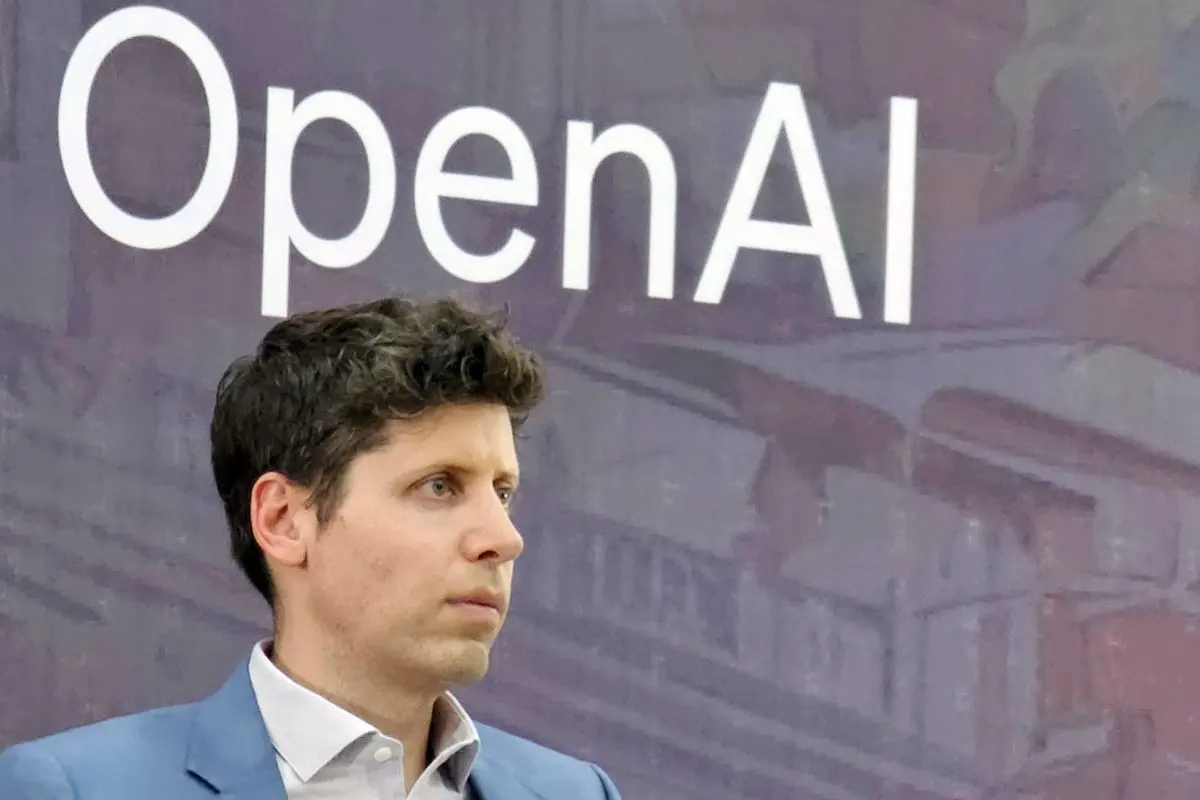
NATO is using up to 300 billion input and output tokens every month through its partnership with OpenAI to strengthen the cyber security of allied networks, as the artificial intelligence company expands the deployment of its advanced models across governments and national cyber agencies.
OpenAI said it is working with NATO's Communications and Information Agency (NCIA) to give the alliance's core institutions access to advanced cybersecurity models. The technology is being used for authorised security operations, including software reviews, investigations into suspicious activity, vulnerability detection and the development and testing of fixes.
The partnership seeks to help cyber defence teams identify and address software weaknesses before malicious actors can exploit them, while improving the ability of multinational teams to safeguard allied networks.
"AI-powered cyber defence models represent a generational leap in cyber security. They accelerate vulnerability discovery, detect emerging threats at machine speed and enable defenders to stay ahead of adversaries," said Dr Dylan Browne, General Manager of NCIA.
Browne said the collaboration would also give NATO insights into token consumption, usage patterns and the economics of AI models, helping the alliance make future procurement decisions and optimise costs.
OpenAI also said it supported the 2026 Crossed Swords exercise organised by the NATO Cooperative Cyber Defence Centre of Excellence. As part of the exercise, participants underwent training to build, deploy and assess AI agents for cyber operations, with human oversight remaining a key requirement.
The company's cyber models are also being made available to organisations beyond NATO, including the European Union Agency for Cybersecurity (ENISA) and national cyber agencies in France, Germany and Poland.
ENISA used the models to detect four vulnerabilities in software deployed across EU institutions. Fixes have since been published for all four. A joint report by ENISA and CERT-EU found that software maintainers confirmed 95 per cent of 88 potential issues assessed across the tested models as genuine vulnerabilities.
In another case, Poland's CERT Polska used OpenAI models to help identify six vulnerabilities in MikroTik RouterOS. Researchers tested the findings and disclosed them to the vendor, which subsequently released fixes.
The announcement comes as OpenAI broadens its artificial intelligence offerings. The company recently launched GPT-6.2 Astra, designed for professional work, and GPT-6.2 Sol, aimed at everyday tasks, with improvements focused on performance and efficiency.
Sasha Baker, OpenAI's Head of National Security Policy, said the company plans to strengthen its engagement with NATO and allied governments to improve the security of critical digital infrastructure.
OpenAI said it would continue working with governments and cybersecurity agencies to help identify software vulnerabilities and develop fixes more quickly.