Inside the worrying trend of sexualised AI clips
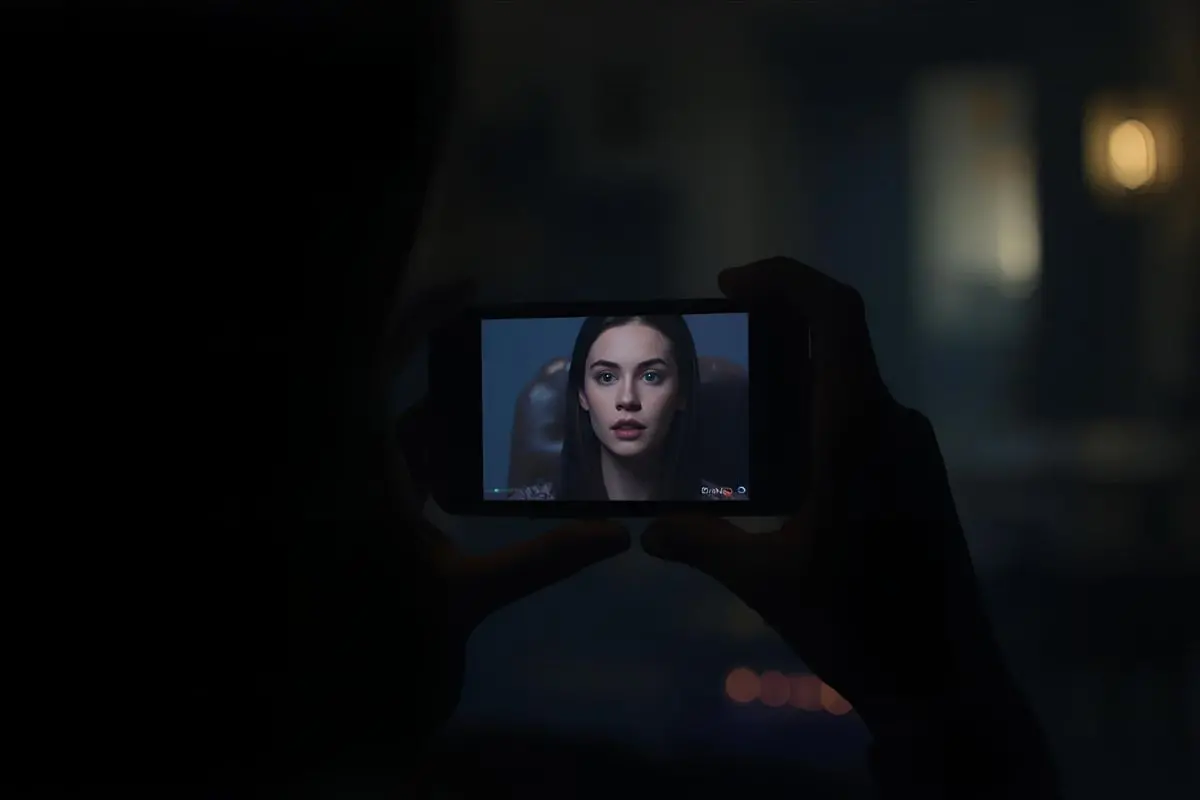
Recently, strikingly realistic videos have surfaced online showing bikini-clad women conducting street interviews and receiving lewd comments. However, these clips are not genuine. They are produced by artificial intelligence tools that are increasingly being used to flood social media with sexist material.
What is AI slop?
This form of mass-produced content, often described as “AI slop,” comes from inexpensive tools that can convert simple text prompts into hyper-realistic visuals. Such material frequently overshadows genuine posts and blurs the line between what is real and what is fabricated.
Why is this trend growing?
The phenomenon has given rise to a cottage industry of AI influencers who release large volumes of sexualised clips with very little effort. Many are encouraged by platform incentive schemes that offer financial rewards for viral content.
Where are these videos being seen?
Large numbers of AI-generated clips, often packed with crude humour, appear to show scantily dressed women interviewing men on the streets of India or the United Kingdom. This has raised concerns about the damage such fabricated content could cause to women.
Reports have revealed hundreds of these clips on Instagram, many in Hindi. They depict male participants making misogynistic jokes or sexual remarks, and sometimes even touching the women, while onlookers laugh or stare.
How popular have they become?
Some of these videos have drawn tens of millions of views. Others have gone further, using their reach to promote adult chat applications that claim to help users “make new female friends.”
The content is so convincing that many viewers have openly wondered whether the women featured were real.
How are these clips created?
Analysis by the United States cybersecurity firm GetReal Security confirmed that several of these clips were generated using Google’s Veo 3 AI tool, which is recognised for creating hyper-realistic visuals.
What are experts saying?
Cyber psychologist Nirali Bhatia, based in India, explained that misogyny, which often remained hidden in private conversations or groups, is now being presented in the form of AI visuals. She described this as a form of AI-mediated gendered harm that is fuelling sexism.
Emmanuelle Saliba of GetReal Security added that unlabeled AI-generated content gradually erodes the little trust that people still have in online visuals.
Wired magazine has also reported that some of the most viral misogynistic content relied on shock value, including clips on Instagram and TikTok portraying Black women in demeaning and racist ways, all created using Veo 3.
On TikTok, one account posted mocking lists of what supposedly gold-digging women would do for money.
How far does the problem go?
AI is also being used to create disturbing clickbait content. For instance, a fake video showed a fictional marine trainer named Jessica Radcliffe being fatally attacked by an orca during a live show at a water park. The clip spread rapidly on TikTok, Facebook and X, with many viewers believing it was real and reacting with outrage.
Last year, Alexios Mantzarlis, who directs the Security, Trust, and Safety Initiative at Cornell Tech, identified 900 Instagram accounts that appeared to feature AI-generated models.
Most of these models were female, scantily dressed, and designed to attract attention. Together, they had around 13 million followers and had uploaded more than 200,000 images. Their popularity was often monetised by linking audiences to commercial content-sharing platforms.
Mantzarlis noted that the numbers are now likely to be even larger, and he warned that people should expect more content promoting body standards that are not just unrealistic but entirely artificial.
Why is it hard to stop?
Financially driven AI slop is proving increasingly difficult to regulate. Content creators worldwide, including students and stay-at-home parents, are turning to AI video production as a source of income.
Many tutorials and paid courses on YouTube and TikTok now teach people how to profit from viral AI material. At the same time, some platforms have reduced human fact-checking and scaled back their content moderation efforts.
YouTube has recently announced that channels producing inauthentic or mass-produced content will not be eligible for monetisation.
AI consultant Divyendra Jadoun observed that artificial intelligence does not create misogyny but instead amplifies what already exists.
He pointed out that when audiences reward this type of content with millions of likes, algorithms and creators will continue producing it. He emphasised that the challenge is not only technological but also social and cultural.