Google to launch Gemini AI smart glasses in 2026
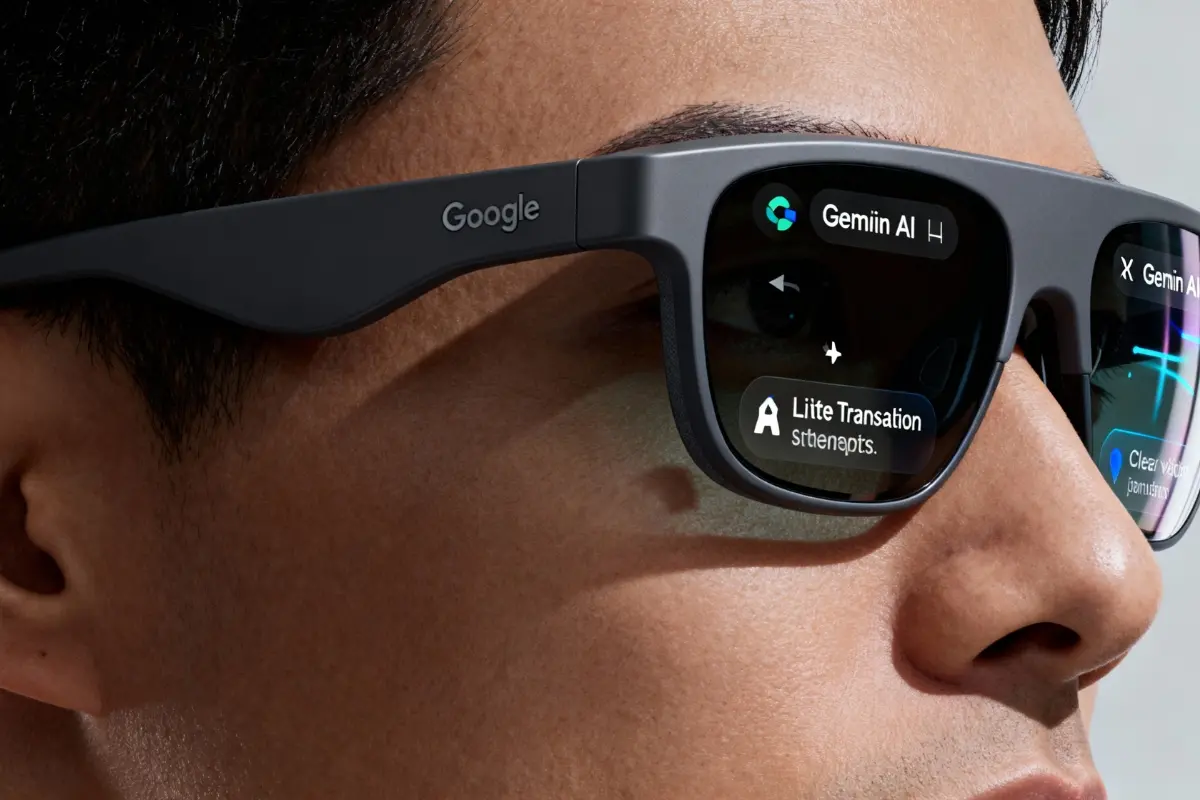
Google unveiled its long-awaited return to smart eyewear, confirming that AI-powered Android XR glasses developed with partners including Samsung, Warby Parker, and Gentle Monster will arrive in 2026. The announcement at The Android Show: XR Edition marks the tech giant's most serious attempt at wearable computing since the failed Google Glass experiment ended a decade ago.
The company is developing two distinct categories of smart glasses, both powered by its Gemini AI assistant. The first are audio-only "AI glasses" featuring built-in speakers, microphones, and cameras for screen-free assistance, designed to compete directly with Meta's popular Ray-Ban smart glasses. The second category includes display-enabled glasses with an in-lens screen that can privately show navigation directions, live translation captions, and contextual information.
Project Aura Previews Android XR Vision
Google also showcased Project Aura, wired XR glasses developed with Chinese AR specialist Xreal, expected to launch in 2026. The device features a 70-degree field of view and connects to an external battery pack and processing unit powered by Qualcomm's Snapdragon XR2 Plus Gen 2 chip. During demonstrations, Project Aura displayed floating workspaces where users could interact with multiple apps simultaneously, use Circle to Search with Gemini to identify objects, and access live translation features.
The glasses run on Android XR, Google's new operating system designed for both headsets and glasses. Critically, apps developed for Samsung's Galaxy XR headset work seamlessly on Aura without requiring separate development, addressing a key challenge that has plagued the XR industry.
Learning from Past Mistakes
Google co-founder Sergey Brin previously acknowledged that the original Google Glass "suffered from limited AI capabilities" and poor timing. The new approach emphasises partnerships with established eyewear brands for design credibility, discreet styling, and privacy safeguards, including visible recording indicators.
The glasses will support iOS devices, allowing iPhone users to access core Gemini features, Maps, and YouTube Music through the Gemini app. This cross-platform strategy contrasts with Apple's Vision Pro, which remains tightly integrated within Apple's ecosystem.
Google released Developer Preview 3 of the Android XR SDK in December, enabling developers to build applications ahead of the 2026 launch. Early partners include Uber and GetYourGuide, pointing to initial use cases in navigation and travel services.