Apple’s biggest clean-up yet: Dozens of iPhones, Macs and Watches discontinued in 2025
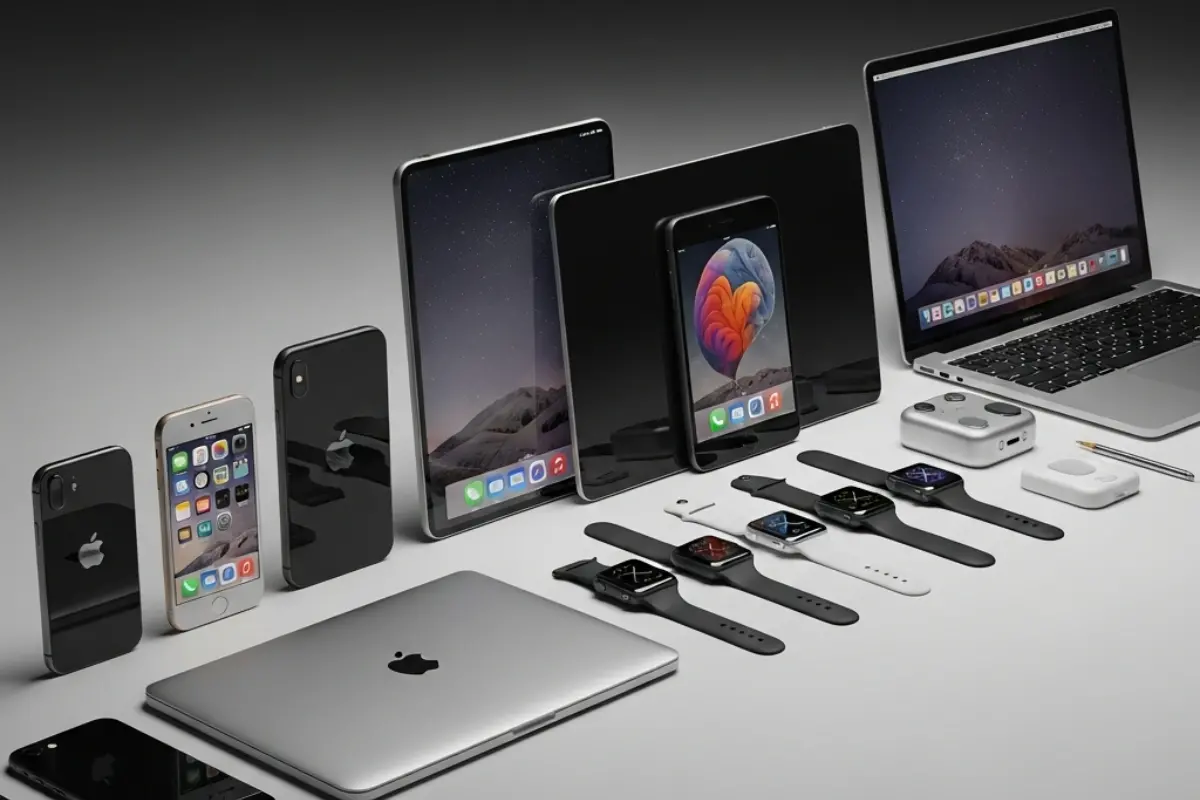
US-based technology giant Apple significantly trimmed its product lineup in 2025, discontinuing more than 20 devices across iPhones, iPads, Macs, Apple Watches and accessories. Most of these products were replaced by newer versions featuring updated processors and refreshed designs, reflecting Apple’s push towards a more streamlined ecosystem.
iPhones discontinued in 2025
iPhone SE, marking the end of the Home button era
iPhone 14
iPhone 14 Plus
iPhone 15
iPhone 15 Plus
iPhone 16 Pro
iPhone 16 Pro Max
With the launch of the iPhone 16e, Apple no longer sells any iPhone with Touch ID, an LCD display, a Lightning port or a sub-6-inch screen. Apple also continued to wind down its Plus-sized models, signalling a possible shift towards future designs such as the rumoured ultra-thin iPhone Air.
iPads discontinued
iPad Pro with M4 chip
iPad Air with M2 chip
10th-generation iPad
These models were phased out in favour of refreshed versions powered by newer silicon.
Apple Watch models discontinued
Apple Watch Ultra 2
Apple Watch Series 10
Apple Watch SE 2
Each was replaced following the introduction of updated successors.
Macs discontinued
Mac Studio with M2 Max chip
Mac Studio with M2 Ultra chip
14-inch MacBook Pro with M4
13-inch MacBook Air with M3
13-inch MacBook Air with M2
15-inch MacBook Air with M3
15-inch MacBook Air with M2
This marked one of the most extensive clean-ups in Apple’s Mac lineup as the company transitioned to newer configurations.
Accessories and other products discontinued
AirPods Pro 2, replaced by AirPods Pro 3
Original Vision Pro with M2 chip
Lightning to 3.5mm audio cable
Several other charging and connectivity accessories
These changes further reinforced Apple’s move towards USB-C across its ecosystem.
As 2025 comes to an end, Apple’s product lineup appears leaner and more focused, highlighting the company’s strategy of reducing overlap, accelerating chip upgrades and fully moving away from legacy technologies.