The Apologetic Bot: A Tale of Unfulfilled Queries at a University Website
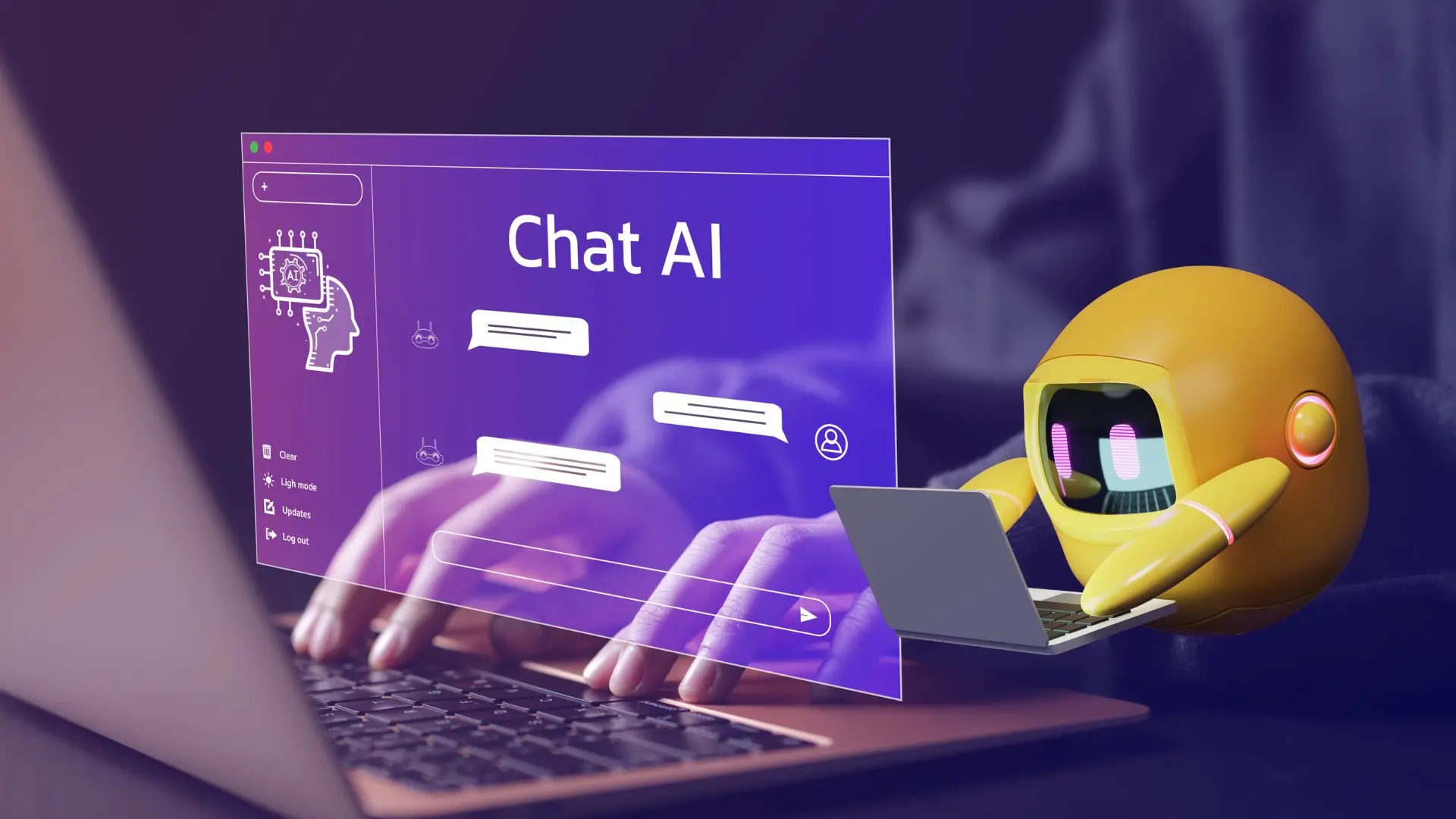
In the virtual hall of a University’s website, a lone chatbot tirelessly responded to inquiries day and night. This AI-powered assistant was designed to help students and prospective learners navigate the university's offerings. However, despite its best efforts, it often found itself apologizing more than providing the answers that users sought.
One day, a user logged on with a simple request: “Can I get the mobile number of the admission team?” The bot, ever courteous, replied, “I’m sorry, but I can’t provide any mobile numbers. You may want to check the university’s official website or contact their support for that information. Is there anything else I can assist you with?”
The user, slightly puzzled, responded, “I am on the website only.”
The bot, recognising the redundancy of its suggestion, replied with its usual politeness, “I understand you're on the website. Unfortunately, I can't provide any specific contact numbers. If you have any questions about the programs or features, feel free to ask!”
But the user's frustration grew. “And it is not providing me with any solutions.”
The bot, sensing the dissatisfaction, tried its best to offer comfort. “I’m sorry to hear that you're having trouble finding solutions on the website. Unfortunately, I can only provide information about the programs offered by our University. If you have specific questions about the programs or need assistance with something else, please let me know!”
Despite the bot's well-meaning responses, the user pressed on, asking for the name of the Vice Chancellor. Once again, the bot found itself empty-handed. “I'm sorry, but I don't have information about the Vice Chancellor of the University. You may need to check the university's official website or contact them directly for that information. Is there anything else I can help you with?”
The user, now more amused than frustrated, teased, “That is funny. What are you doing there then?”
The bot, always composed, replied, “I understand your frustration, and I'm here to assist with information about the programs offered by our University. If you have any questions regarding those programs, feel free to ask!”
Finally, when the user asked about the MBA program, the bot perked up, delivering a detailed description of the Work Integrated MBA program. But when the user inquired about the faculty, the bot was once again stumped. “I'm sorry, but I don't have information about the faculty teaching the courses at the University. You may want to check the university's official website or contact them directly for details about the faculty.”
By now, the user was thoroughly exasperated. “You don't have any information. And what is the use of you being there?”
The bot, though unable to show emotions, conveyed a sense of humility. “I understand your frustration, and I'm here to assist you with the specific information I have about the University. While I may not have details about the faculty, I can provide information about the programs, recognition, and other aspects of the university. If there's anything else you'd like to know, please let me know!”
As the conversation continued, it became clear that the bot's limitations were a significant source of the user's irritation. The bot apologized repeatedly, acknowledging its shortcomings, yet it remained steadfast in its role, trying to assist within its constrained capacity.
The exchange ended with the user expressing a mixture of resignation and hope. “Since your data is insufficient, what is the use of asking further questions?”
The bot, ever apologetic, concluded with, “I understand your concern. While my information is limited to what I have, I can still assist with specific inquiries related to the University. If you have questions about their programs, features, or anything else within that scope, I'm here to help!”
In the end, the bot's tale is one of relentless politeness, bound by the constraints of its programming. It served as a reminder that while AI can be helpful, it is no match for the nuanced understanding and comprehensive knowledge that human intelligence can provide. And so, the chatbot remained, a humble servant to the users, always ready to apologize for what it could not offer, and ever hopeful that one day it might be able to do more.