340 km/h straights to unconventional split pits: What makes the Madring F1 layout unique
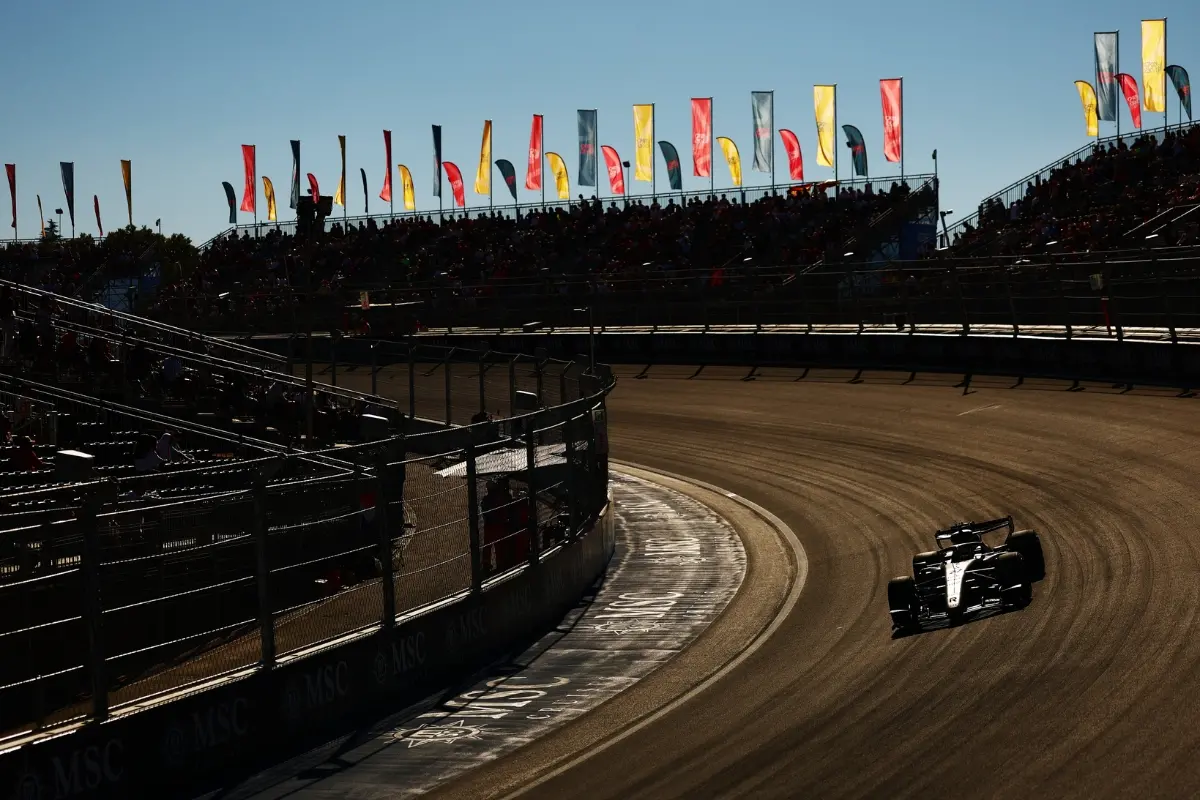
Madrid: Formula 1 has officially returned to the Spanish capital for the first time since 1981 with the debut of the Circuito de Madring for the 2026 Spanish Grand Prix. The 5.416-kilometre (3.365-mile) semi-permanent venue is situated in the Valdebebas district around the IFEMA exhibition complex, just eight kilometres west of Adolfo Suárez Madrid–Barajas Airport. Designed in collaboration with circuit architecture firm Studio Dromo, the 22-corner track hosts a 57-lap race covering a total distance of 308.5 kilometres. The layout seamlessly blends temporary urban roads around the exhibition halls with purpose-built permanent track sectors linked by two short tunnels.
La Monumental and Dramatic Elevation Swings
The defining highlight of the layout is Turn 12, officially dubbed 'La Monumental'. The 550-metre-long banked corner features a steep 24 per cent gradient, allowing single-seaters to sweep through at high speed while subjecting tyres to immense lateral forces. Beyond its signature banked turn, the track features sharp elevation swings across the lap. The circuit drops to its lowest elevation at Turn 2 before climbing steeply to reach a blind crest at Turn 7, marking the highest point of the track.
ALSO READ: Zak Brown: Lando Norris Still in 2026 Title Fight After Spanish GP Pole
High-Speed Chicanes and Dual-Paddock Layout
The circuit presents drivers with five major heavy-braking zones alongside tight, unforgiving chicanes. Cars reach top speeds of 340 km/h along the urban straights before decelerating violently to just 80 km/h through the tight Turn 5A and Turn 5 chicane, creating a narrow bottleneck where two-wide racing is severely constrained. Furthermore, existing structural constraints around the IFEMA exhibition halls forced designers to implement an unconventional split pit lane, dividing team garages across two adjacent zones.
Data Deficits and Transport Infrastructure
The novelty of the circuit presents a formidable setup challenge for engineering teams entering the race weekend. With no prior historical telemetry available, teams must construct setup models from scratch on a newly laid asphalt surface. For attending supporters, spectator accessibility remains a primary strength of the venue. According to RacingCircuits.info, the complex accommodates over 110,000 daily spectators and benefits from direct public transport links via Metro Line 8 at Feria de Madrid station and Cercanías Renfe train services at Valdebebas.
ALSO READ: Lando Norris Takes Shock Pole for 2026 Spanish Grand Prix at Madring
Norris Blazes to Pole
McLaren’s Lando Norris secured the historic first pole position at the Circuito de Madrid, clocking a blistering 1:31.824. He narrowly edged out Mercedes' Kimi Antonelli by a mere 0.011 seconds, with Max Verstappen and Lewis Hamilton locking out the second row. With track temperatures soaring and no historical telemetry to rely on, the grid faces a high-stakes guessing game regarding tyre degradation and strategy when the lights go out.