Red Bull’s secret weapon? How Verstappen’s 1st-gear trick is winning 2026 engine war
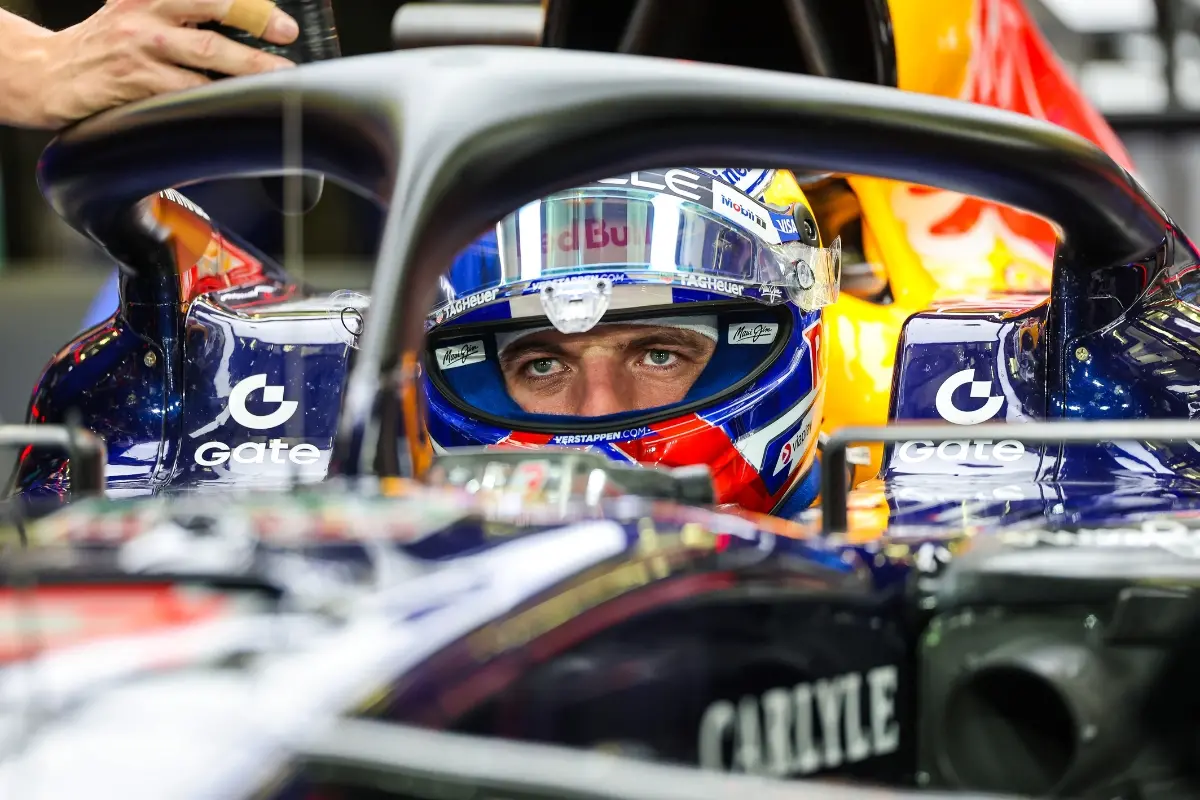
Bahrain: A high-stakes "downshift war" has emerged during pre-season testing at the Bahrain International Circuit, with Max Verstappen and Red Bull Racing identified as the early masters of a technical trick that could define the 2026 Formula 1 season.
The technique, observed trackside during the first two days of testing, involves an aggressive and unorthodox downshifting sequence designed to maximise energy harvesting for F1's new, electricity-heavy power units.
The Turn 10 "Gambit"
Under the 2026 regulations, cars rely on a near 50/50 split between internal combustion and electrical power. To keep the massive 350kW MGU-K charged, drivers must find creative ways to generate energy under deceleration.
Verstappen stood out by taking the tight, downhill Turn 10 in first gear, while the majority of the field traditionally utilises second.
- The "Revs" Trick: By downshifting to first while still heavily on the brakes, Verstappen forces a massive spike in engine revolutions.
- The Harvesting Gain: Higher RPMs during deceleration allow the MGU-K to harvest energy more aggressively. This ensures a full battery for the maximum 350kW "Overtake" boost on the following straights.
- Paddock Clues: Mercedes has reportedly noted that Red Bull currently appears to be the "benchmark," with some rivals claiming the team is gaining up to one second per lap on straights through superior energy deployment.
Mastering Instability
The technique is not without risk. Downshifting so aggressively into a low gear can severely unsettle the rear of the car, causing it to "squirm" or even lock the rear wheels, a dynamic reaction drivers usually spend their careers trying to avoid.
| Observation | Conventional Approach | Verstappen/Red Bull Approach |
| Gear Selection | 2nd Gear (Smoother) | 1st Gear (Aggressive) |
| Engine State | Lower Revs / Stable | High Revs / Significant Instability |
| Harvesting | Moderate Recovery | Maximum Energy Recovery |
| Driver Input | Standard Downshifts | Rapid "Double" Downshifts |
While other teams, including Audi and Williams, have begun experimenting with the technique as of Day 2, rivals note that Verstappen appears "at ease" managing the car's twitchiness. "We see what the others do, and we try to copy," remarked Carlos Sainz, noting that the Red Bull Ford package appears a "clear step ahead" in hybrid usage.
The "Double Downshift" Pattern
Technical analysts have observed a specific shifting pattern where Verstappen downshifts in rapid pairs, moving from fifth to third, then third to first, to maintain the highest possible rev band. This "unnatural" driving style is a direct response to the removal of the MGU-H, forcing manufacturers to rely solely on the kinetic energy of the wheels and engine braking to keep the 2026 batteries from "clipping" or running dry.
With the Australian Grand Prix less than a month away, the ability to master these aggressive inputs has become the primary differentiator in the 2026 hierarchy.