Pharaoh-ly unfair: 8 reasons Egypt believes Argentina's World Cup win was ALLEGEDLY rigged
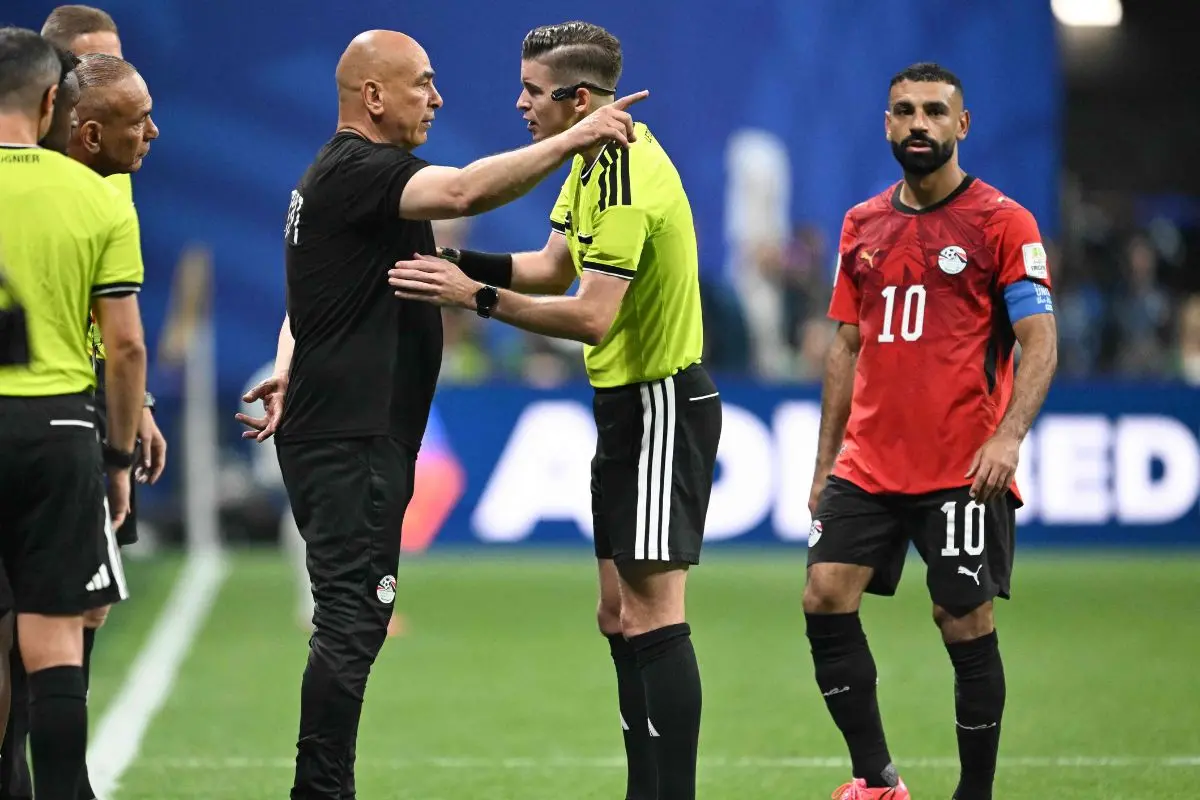
Reigning world champions Argentina national football team may have booked their place in the FIFA World Cup 2026 quarter-finals with a dramatic 3-2 comeback win over Egypt national football team, but the blockbuster Round of 16 clash has since exploded into one of the tournament's biggest controversies.
From a Video Assistant Referee (VAR)-overturned Egyptian goal to a late penalty appeal involving Mohamed Salah and a stoppage-time winner, the match has fuelled allegations online that the defending champions benefited from a string of favourable decisions.
While refereeing experts maintain that the calls were technically within the Laws of the Game, critics argue the incidents collectively paint a troubling picture. Here are the eight key moments that have sparked claims the contest was ‘allegedly rigged’.
1. VAR wipes out Egypt's second goal
With Egypt leading 1-0, Mostafa Ziko appeared to double his side's advantage in the 59th minute. However, following a lengthy VAR review, French referee François Letexier disallowed the goal, dramatically shifting the momentum of the match.
2. Officials rewound play by 17 seconds
The VAR review reportedly went back around 17 seconds to identify a foul during the attacking phase. Although the International Football Association Board (IFAB)'s protocol allows officials to review the entire attacking possession, the lengthy rewind became one of the game's most debated decisions.
3. Soft contact leads to crucial intervention
The goal was ruled out after midfielder Marwan Attia was judged to have stepped on the toe of Argentina defender Lisandro Martínez. Critics argued the contact was minimal, questioning whether it warranted overturning a goal.
4. Egypt denied a late penalty
Deep into stoppage time, Salah went down inside the penalty area following a challenge from Alexis Mac Allister. Referee Letexier waved play on, and VAR chose not to recommend an on-field review.
5. A slight touch on the ball becomes decisive
Television replays appeared to show Mac Allister making a slight touch on the ball before colliding with Salah. Supporters of the decision say that contact justified denying the penalty, while critics believe the challenge still merited a spot-kick.
6. Argentina score moments later
As Egyptian players continued protesting the penalty decision, Argentina launched an immediate counter-attack that ended with Enzo Fernández heading home the winner in injury time, adding to Egypt's frustration.
7. Yellow cards raise eyebrows
Egypt finished the match with five yellow cards, several of them for protesting officiating decisions. Argentina, despite an intense and physical contest, completed the match without receiving a single booking, prompting fresh debate over consistency.
8. Messi footage sparks online speculation
Television cameras appeared to capture Argentina captain Lionel Messi speaking to an assistant referee before the VAR decision on Egypt's disallowed goal was officially announced. The footage quickly went viral and fuelled speculation online, although there is no evidence that the conversation influenced the officials' decision.
Egypt head coach Hossam Hassan later alleged that the tournament was ‘clearly fixed’ in favour of Argentina, claims that have further intensified the debate.
While football analysts acknowledge that most of the controversial decisions can be defended under the existing laws and VAR protocol, the manner in which they were applied has left many fans and former players questioning the consistency of officiating at the FIFA World Cup 2026.