Waited a lifetime for Indian cap that never came, yet guided nation to World Cup glory: The Amol Muzumdar story
When life closed one door, Amol Muzumdar quietly opened another, not for himself, but for the countless players whose dreams he would later shape. Born in Mumbai in 1974, he grew up around the legendary nets of Shivaji Park, sharing space with future icons like Sachin Tendulkar and Vinod Kambli. As a young boy, he was there when Tendulkar and Kambli stitched together their unforgettable 664-run partnership in a Harris Shield match, a moment that seemed to tease him with destiny.
Muzumdar went on to become the backbone of Mumbai’s domestic cricket, amassing over 11,000 runs in first-class cricket across more than two decades, with an average over 48—the second-highest in Ranji Trophy history. Yet, despite his brilliance, the national call never came. The sting of being overlooked could have embittered him, but Muzumdar chose a different path. He reflected on his own journey with grace, once saying, “Cricket gave me everything, except the cap.” That understanding of what players truly need—a guiding hand, belief and someone who sees beyond numbers—would later define him as a coach.
After retiring in 2014, Muzumdar naturally gravitated toward mentorship. He began with domestic teams, guiding Mumbai and Andhra and later worked with Rajasthan Royals in the IPL. Everywhere he went, players noticed his calm clarity, his ability to simplify complex situations, and his unshakable faith in their potential.
His defining moment arrived in 2023 when he was appointed head coach of India’s women’s cricket team. Some questioned his lack of international playing experience, but Muzumdar approached the role with quiet confidence. He didn’t impose himself; he listened, he observed and he was empowered. Harmanpreet Kaur, Smriti Mandhana, Deepti Sharma, Shafali Verma—all stars in their own right—found in him a coach who believed in them, even when they faltered.
The 2025 World Cup began with turbulence. Early batting collapses and dropped catches cast doubt on India’s chances. But Muzumdar remained calm, reminding his team, “We finish well. That’s who we are.” Slowly, the shift took hold. Composure replaced panic. Confidence replaced hesitation. Every shot, every partnership, every moment on the field reflected the trust Muzumdar had cultivated.
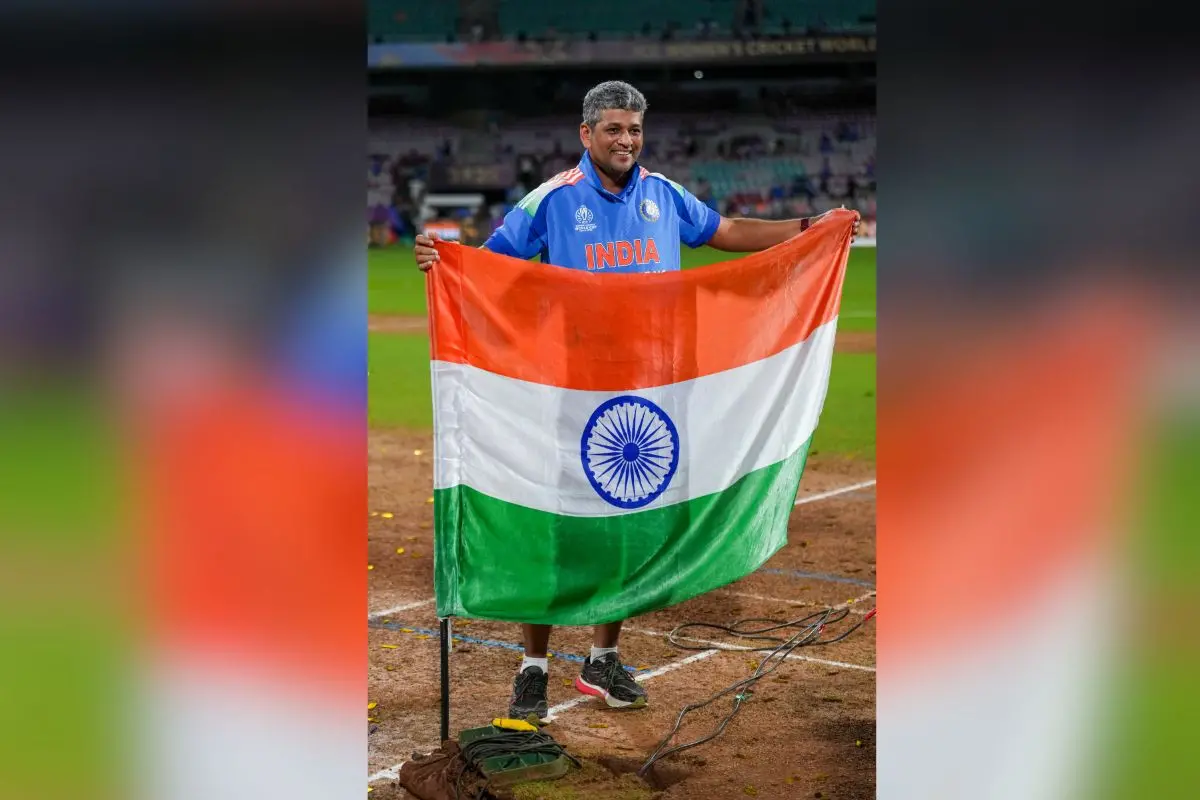
By the time India faced South Africa in the final, the team had become a well-oiled, cohesive unit, poised and unstoppable. When the winning runs were scored, Muzumdar stood on the sidelines, a quiet witness to triumph. Tears welled in his eyes, not just for the trophy, but for the vindication of a lifetime.
A man who had spent decades scoring thousands of runs without ever wearing the national cap had finally left his mark on Indian cricket in the most profound way. Under his guidance, the team had believed, and in their belief, he found the recognition he had long deserved.
Amol Muzumdar’s story is not only one of cricketing brilliance but of perseverance, empathy and the power of shaping others’ dreams when your own path is uncertain. In the end, he did not just create champions on the field; he carved his own legacy in the hearts of millions.