T20 World Cup 2026: Pakistan in Super 8, what this means for India
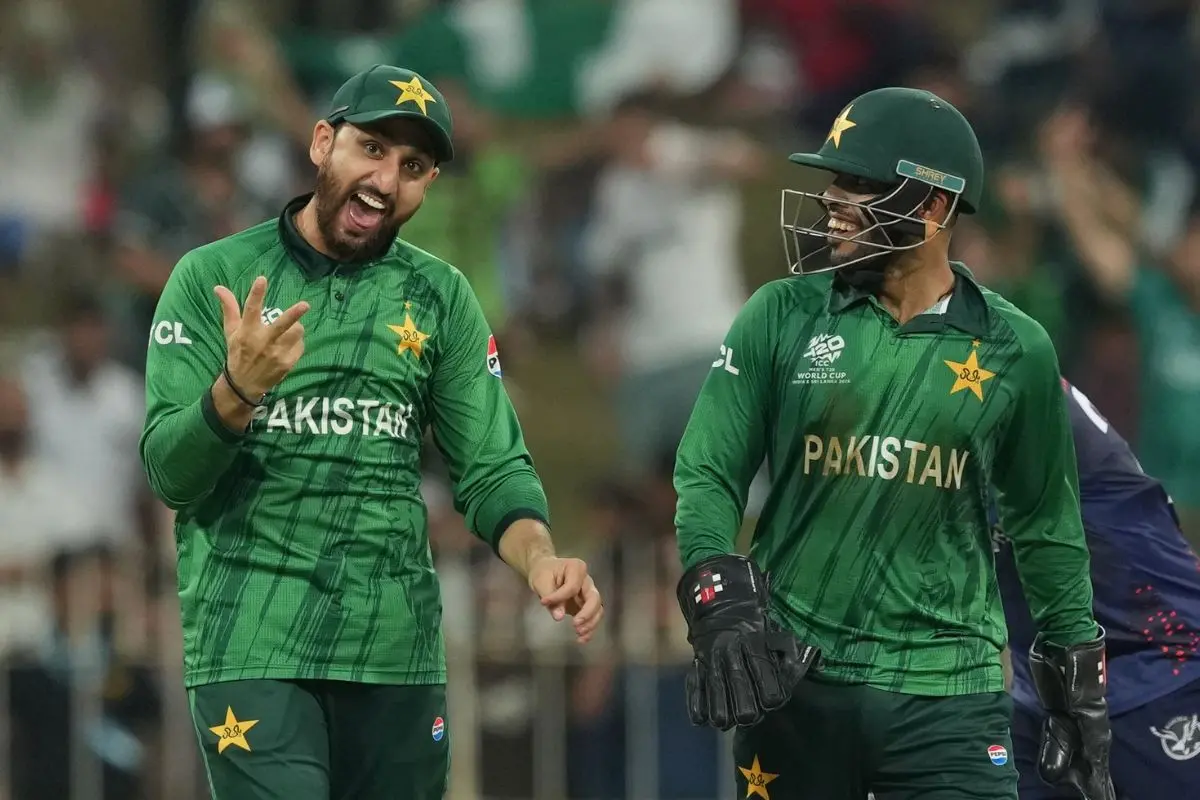
Pakistan has secured a place in the Super 8 stage of the ICC Men’s T20 World Cup 2026, extending their campaign after a fluctuating group phase.
Their progression ensures that one of cricket’s most closely watched teams remains in contention as the tournament moves into its decisive middle phase, where margins tighten, and every match carries semifinal consequences.
Pakistan’s journey to the Super 8s has underlined the unpredictable nature of T20 cricket. Moments of brilliance with bat and ball were offset by phases of inconsistency, a pattern that has often defined Pakistan’s white-ball cricket across global tournaments.
Yet, as history repeatedly shows, Pakistan is a side capable of recalibrating quickly once they cross the qualification threshold, making them a dangerous opponent in high-pressure scenarios.
The Super 8 format intensifies the challenge. With teams facing elite opposition in a condensed schedule, adaptability becomes paramount.
Pakistan’s bowling depth, particularly their pace resources and variations in the death overs, could prove critical on surfaces that reward discipline and execution.
Equally, the stability of their top order and the finishing ability of their middle order will determine how far they advance.
For India, Pakis’s qualification carries layered implications
At a competitive level, Pakistan’s presence adds another strong contender capable of upsetting established favorites, which could indirectly influence India’s semifinal pathway depending on results across groups.
From a strategic standpoint, India’s think tank will closely monitor Pakistan’s combinations, matchups, and tactical shifts, especially if the sides are drawn into a potential rematch later in the tournament.
Psychologically, Pakistan's staying alive sustains the narrative intensity of the event. An India–Pakistan clash at the Super 8 or knockout stage would elevate pressure, viewership, and scrutiny.
While India traditionally maintains a strong record in ICC events against Pakistan, T20 cricket’s volatility means past outcomes offer limited guarantees.
Maintaining composure, controlling key phases, and managing match-defining moments would be central to India’s approach in any future meeting.
There is also a broader tournament impact. Pakistan’s qualification boosts fan engagement, television ratings, and the overall spectacle of the World Cup.
Their matches tend to attract global attention, contributing to the commercial and emotional heartbeat of the competition. For India, this heightened spotlight can be both motivating and demanding, amplifying expectations around performance and consistency.
As the Super 8 stage unfolds, both teams enter a phase where reputations matter less than execution. India will aim to sustain momentum, refine roles and manage workloads, while Pakistan will seek rhythm and cohesion.
In tournaments of this format, a single standout performance or tactical masterstroke can shift trajectories dramatically.
With Pakistan now part of the Super 8 lineup, the T20 World Cup 2026 moves into an even more compelling chapter, one where traditional rivalries, tactical battles, and knockout ambitions converge.