Technicality or mistake: Why Tyagi wasn't barred after 2 beamers? Aakash Chopra explains | WATCH
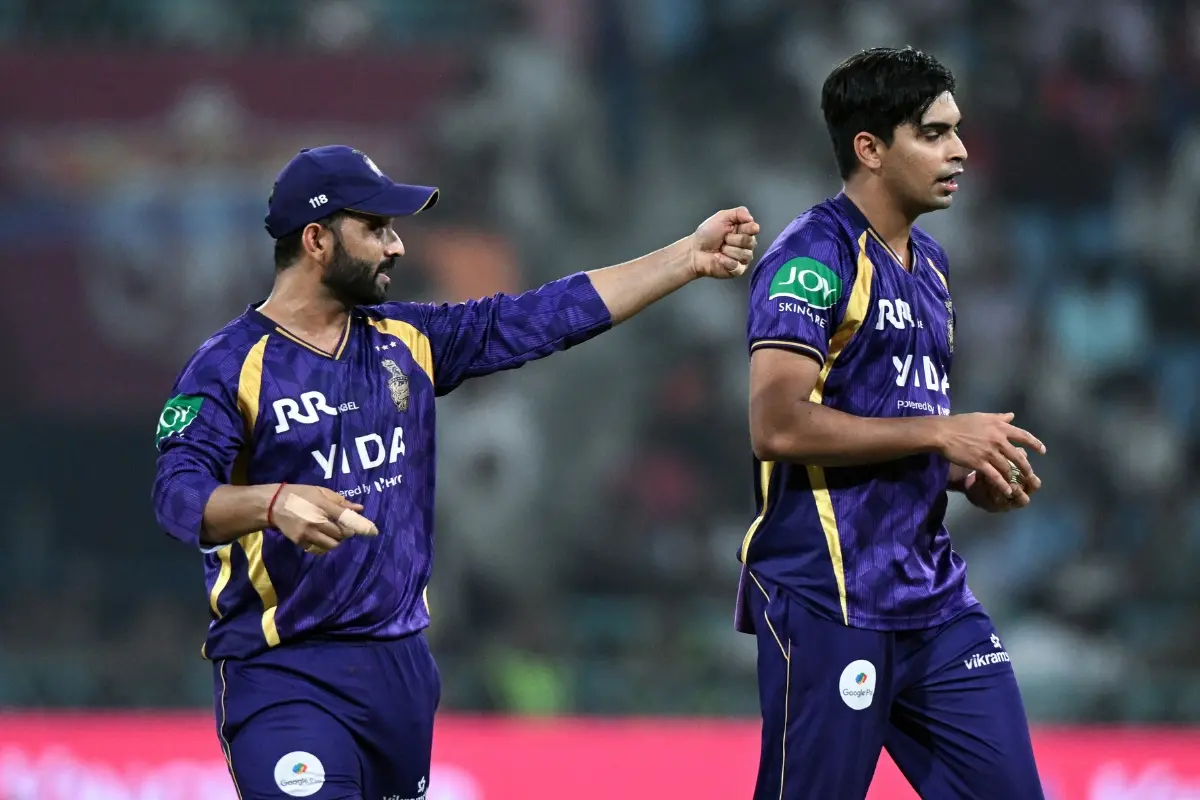
A standard final-over defence for the Kolkata Knight Riders devolved into one of the most tumultuous sequences of the 2026 Indian Premier League season during their encounter with the Lucknow Super Giants at Ekana Stadium.
Entrusted with protecting a 16-run lead, Kartik Tyagi experienced a disastrous start to the over by delivering two consecutive waist-high full tosses to Himmat Singh. Both were promptly ruled no-balls, igniting widespread confusion and on-field debate regarding the bowler's eligibility to continue.
CLICK HERE FOR IPL 2026 POINTS TABLE
While established cricket tradition typically dictates that a bowler be barred from the attack after two such "beamers," former cricketer and analyst Aakash Chopra clarified the technicality that permitted Tyagi to remain in the game.
The Sequence of No-Balls
The instability began when Tyagi’s initial delivery arrived above waist height, resulting in a no-ball signal. On the subsequent free hit, Tyagi’s attempt at a yorker slipped from his grasp, producing a second consecutive waist-high full toss and another no-ball.
The incident raised immediate questions from players and spectators alike. Historically, an initial beamer results in a formal warning, while a second necessitates the bowler's immediate removal for the duration of the innings.
The 'Dangerous' Distinction
Chopra noted that the ruling hinges on a "technical nuance" involving the umpire’s subjective evaluation of the delivery’s intent and impact. The critical factor is whether the delivery is classified as "dangerous" rather than merely illegal due to height.
Chopra explained that for the mandatory removal rule to be triggered, the official must determine that the ball posed a physical threat. "Is it deemed dangerous? Does it feel like it's a threat to your health or can cause physical injury?" Chopra asked when detailing the officials' deliberations.
The decision to allow Tyagi to continue is rooted in the specific language of the IPL playing conditions:
- Clause 41.7.1: “Any delivery which passes, or would have passed, without pitching above the waist height of the striker standing upright at the popping crease is to be deemed unfair, whether or not it is likely to inflict physical injury. If the bowler bowls such a delivery, the umpire shall immediately call and signal No ball.”
- Clause 41.7.2: “The bowling of a delivery as defined in 41.7.1 is also dangerous if the bowler’s end umpire considers that there is a risk of injury to the striker. In making that judgement, the umpire shall: disregard any protective equipment worn by the striker; and be mindful of: the speed, height and direction of the delivery, the skill of the striker, the repeated nature of such deliveries.”
The Resolution
In this instance, the officiating crew determined that while both balls were technically illegal under Clause 41.7.1, they did not meet the threshold for "dangerous" play under Clause 41.7.2. Because the umpires concluded the batter was not at significant risk of injury, Tyagi was not disqualified from the attack.
"The balls were above waist height, and no-balls were given," Chopra observed, "but he wasn't stopped from bowling simply because the on-field umpires believed those balls weren't dangerous and the batter wasn't in danger."
Following the controversy, Tyagi initially recovered his poise. Despite surrendering a boundary on a free hit, he managed to dismiss Himmat Singh. However, the respite was brief; with Lucknow requiring seven runs off the final delivery, Mohammed Shami struck a six over long-off to level the scores and force a Super Over. KKR won the Super Over with five balls remaining.