India vs Pakistan T20 World Cup 2026: India crush Pakistan by 61 runs in Colombo
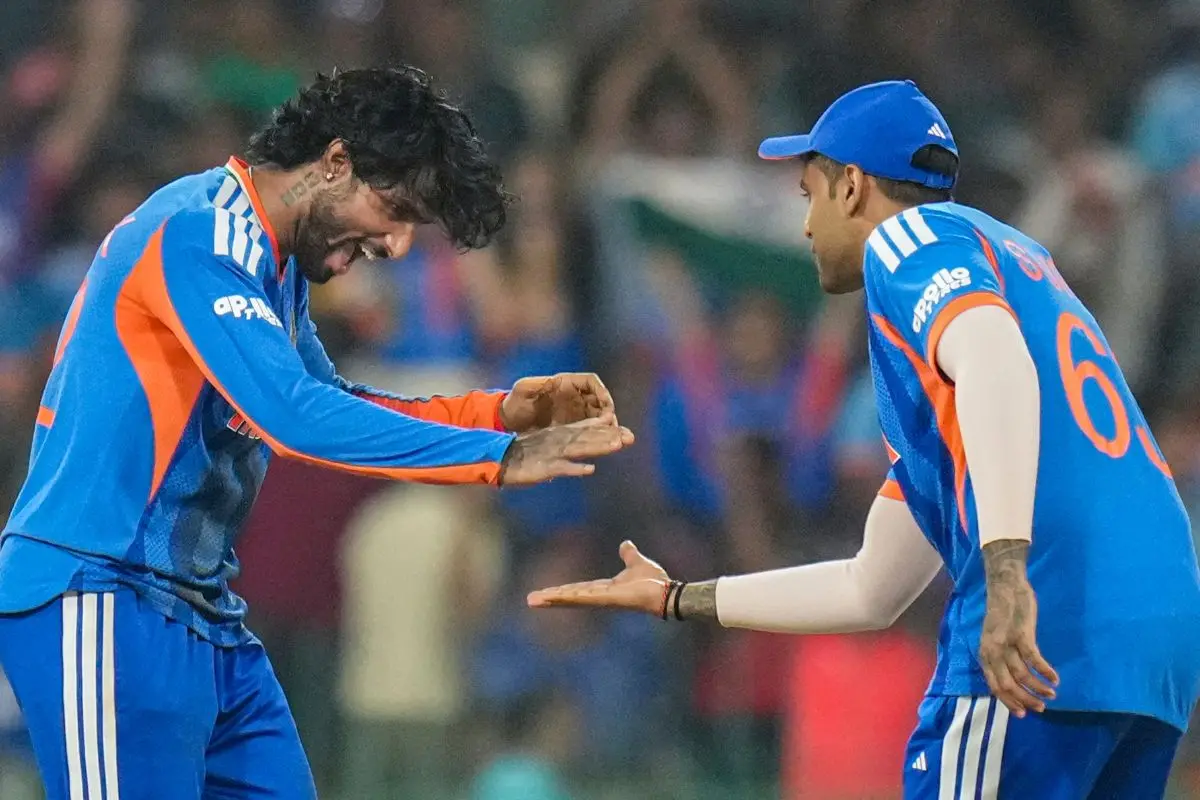
India continued their dominance over Pakistan on the global stage, registering a crushing 61-run victory in their ICC Men’s T20 World Cup 2026 clash at the R Premadasa Stadium, Colombo, on Sunday. The result not only extended India’s commanding head-to-head record in T20 World Cups to 8-1, but also propelled them into the Super 8s with three wins from three matches.
Chasing a competitive 176-run target, Pakistan faltered dramatically, managing only 114 in 18 overs. The margin marked Pakistan’s biggest defeat to India in T20I history, underlining the gulf between the sides on the night.
Despite expectations of a high-octane contest, the match proved largely one-sided. Pakistan’s batting once again failed to withstand scoreboard pressure, with wickets falling at regular intervals. India’s disciplined bowling attack combined accuracy, variation, and relentless pressure to dismantle the chase.
Earlier, India’s innings had been shaped by a magnificent knock from Ishan Kishan, who struck a fearless 77 off 40 balls on a challenging, spin-friendly surface. Put in to bat after Pakistan skipper Salman Ali Agha won the toss and opted to field, India were jolted early when Abhishek Sharma fell in the first over.
However, Kishan counterattacked in style, taking on Pakistan’s bowlers with audacious stroke play. While other Indian batters struggled to consistently pierce the field against Pakistan’s spinners, Kishan appeared unfazed by the tacky conditions. His innings, laced with crisp boundaries and aggressive intent, ensured India built a strong platform.
India captain Suryakumar Yadav contributed a measured 32 off 27 balls, anchoring the innings through the middle overs. Though Pakistan’s bowlers, particularly Saim Ayub (3/25), managed to slow India’s scoring rate at key moments, India still posted a competitive 175/7.
Pakistan’s bowling had brief moments of promise, especially through spin, but lacked sustained penetration. Agha’s tactical choice to rely minimally on pace — deploying seamers for just two overs- raised eyebrows as India’s batters capitalised in phases.
In response, Pakistan’s chase never truly gathered momentum. India’s new-ball bowlers struck early, exposing Pakistan’s middle order. The pressure intensified as India’s spinners exploited the slowing pitch, extracting turn and variable bounce.
Pakistan’s batters struggled for fluency, with no significant partnerships developing. Attempts to accelerate resulted in further setbacks, and the required run rate quickly spiralled out of reach.
India’s fielding effort complemented the bowling display, with sharp catching and energetic ground work sealing Pakistan’s fate. The final wicket confirmed a comprehensive Indian victory, sparking celebrations among the Indian contingent.
With the win, India strengthened their credentials as tournament favourites while dealing a severe blow to Pakistan’s progression hopes. Pakistan, now facing elimination pressure, will need urgent introspection, particularly addressing batting frailties and tactical decision-making.
India’s emphatic triumph once again highlighted their composure and execution in high-pressure encounters against their arch-rivals.