The government loophole: How ICC’s proposed tri-series could bring back India vs Pakistan
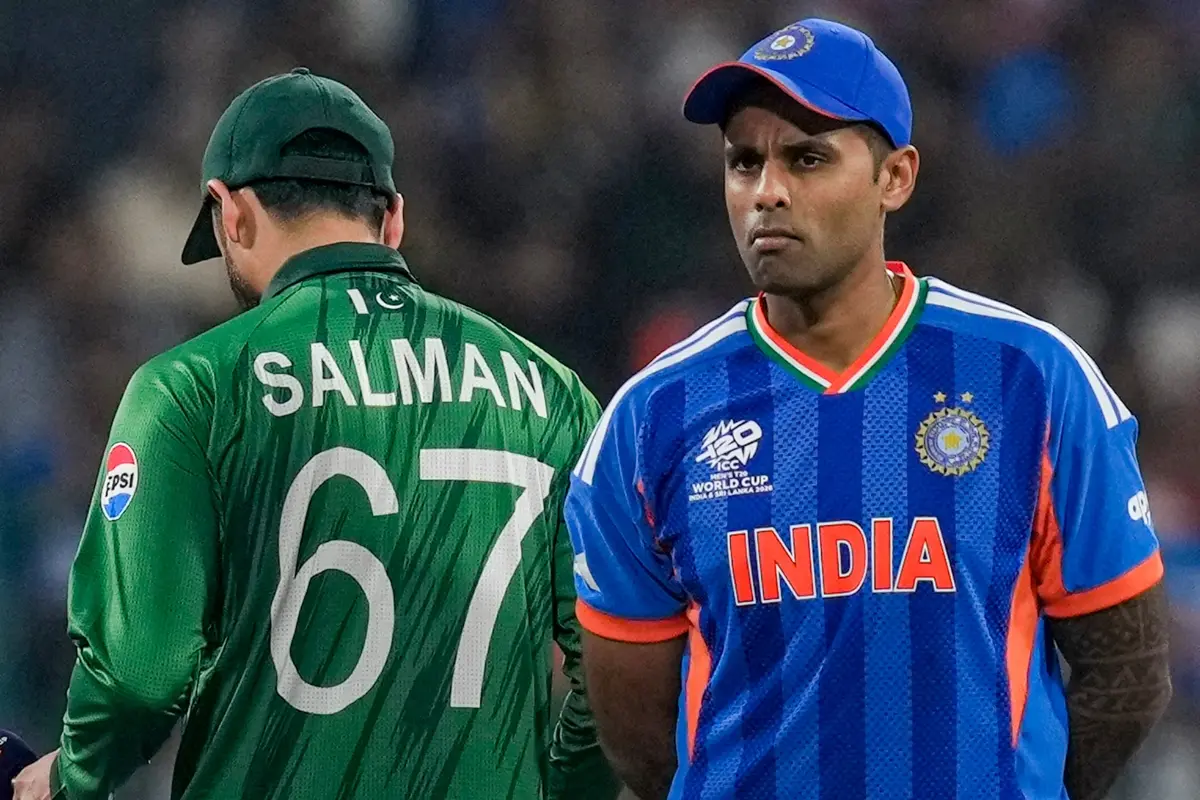
Dubai: The International Cricket Council (ICC) is exploring proposals to stage a multi-nation series featuring arch-rivals India and Pakistan, offering a potential breakthrough for cricket's highest-grossing rivalry. As reported by ARY News, a Pakistani media outlet, the apex governing body is expected to discuss the feasibility of tri-series or quadrilateral tournaments during its Future Tours Programme (FTP) seminar scheduled for 22 and 23 September 2026 in Dubai. Attended by delegates from 12 Test-playing nations and eight associate members, the seminar will assess whether reviving multi-team events can generate stronger commercial returns than traditional bilateral fixtures.
The Multilateral vs Bilateral Policy Distinction
The core mechanism behind the proposal relies on a distinct policy framework maintained by the Indian government regarding sporting engagements with Pakistan. While New Delhi maintains a strict ban on bilateral cricket series with Pakistan due to diplomatic tensions, official policy permits Indian national teams to compete against Pakistan in multi-nation, multilateral tournaments governed by international bodies. Staging a tri-series or four-team tournament at a neutral venue effectively utilises this policy distinction, allowing the two teams to face each other without violating India's bilateral restriction.
Commercial Incentives and Neutral Venues
From a broadcast and commercial standpoint, multi-nation tournaments offer significantly higher financial returns than conventional bilateral series between neutral teams. Potential neutral venues under consideration for the proposed tri-series include the United Arab Emirates, England, and Australia.
Historical Context of the Triangular Format
Triangular and quadrilateral series were staple features of the international cricket calendar during the late 1990s and early 2000s before being gradually phased out in favour of bilateral series and official ICC events. India and Pakistan last competed against each other in a tri-series during the 2008 Kitply Cup in Bangladesh, while their last bilateral engagement took place during Pakistan's tour of India in 2012–13. Since then, encounters between the two neighbours have been restricted exclusively to major ICC and Asian Cricket Council tournaments.
BCCI Mandate and Remaining Diplomatic Hurdles
Despite commercial enthusiasm and ICC exploration, the execution of any proposed multi-nation series ultimately hinges on official clearance from the Board of Control for Cricket in India (BCCI) and the Indian government. Because a non-pinnacle tri-series falls outside standard ICC world events, the tournament would require explicit board agreement and state permission. Without green-light clearances from relevant government ministries in New Delhi, the proposed multi-team format remains a commercial concept subject to strict administrative hurdles.