World Water Day 2026: Date, theme, history and significance
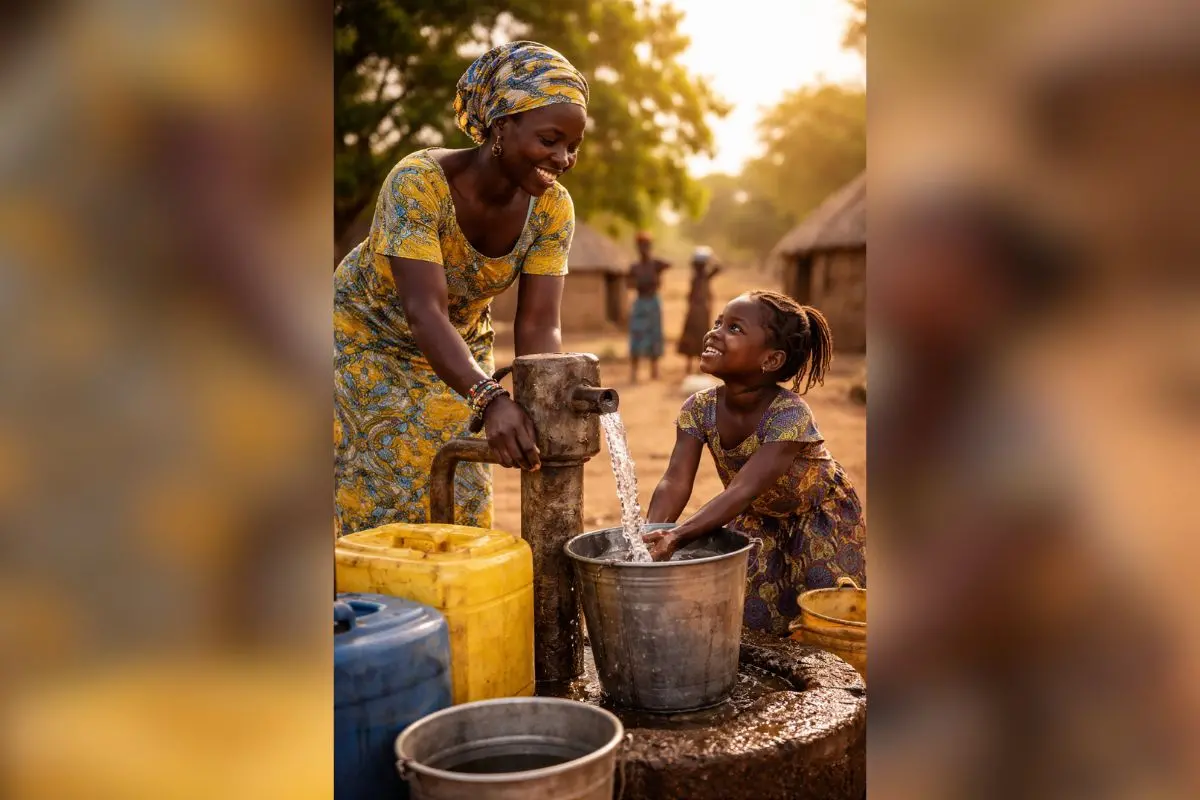
Observed every year on March 22, World Water Day is a global initiative led by the United Nations to spotlight freshwater challenges. The 2026 theme, “Water and Gender”, is accompanied by the slogan: “Where water flows, equality grows.”
The campaign underscores a critical reality: the global water crisis disproportionately impacts women and girls.
In many regions, they are responsible for collecting water for households, often at the cost of education, employment, and personal safety. Despite this, their representation in water governance and decision-making remains limited.
The 2026 observance calls for a rights-based and inclusive approach, placing women at the centre of water management and policy solutions.
History of World Water Day
World Water Day traces its origins to global environmental discussions in the early 1990s:
- 1992: The idea was introduced at the United Nations Conference on Environment and Development (UNCED) in Rio de Janeiro.
- December 1992: The UN General Assembly formally designated March 22 as World Water Day through resolution A/RES/47/193.
- 1993: The first World Water Day was observed worldwide.
- 2010: The UN recognised access to safe drinking water and sanitation as a fundamental human right, strengthening the day’s global importance.
Why World Water Day matters
World Water Day serves as a powerful platform to drive awareness, policy action and community engagement around water security.
1. Advancing SDG 6: The day aligns with Sustainable Development Goal 6, which aims to ensure universal access to clean water and sanitation by 2030.
2. Addressing global water scarcity: Around 2.2 billion people still lack access to safely managed drinking water, making it one of the most pressing global challenges.
3. Health and economic impact: Clean water is essential to preventing diseases such as cholera and typhoid, while also improving productivity and livelihoods.
4. Education and gender equality: In many developing regions, girls miss school due to a lack of sanitation facilities or the burden of water collection.
5. Climate resilience: With climate change intensifying droughts and floods, sustainable water management — including rainwater harvesting and conservation — is becoming increasingly critical.
Key facts to know
- Women and girls collectively spend an estimated 200 million hours daily collecting water.
- Lack of proper sanitation is a major factor behind school dropouts among adolescent girls.
- Women occupy less than 20% of leadership roles in water-related sectors globally.
The bigger picture
World Water Day 2026 goes beyond awareness; it reframes the water crisis as an issue of equity and human rights.
The message is clear: achieving a water-secure future is not just about infrastructure or conservation, but about ensuring fair access, representation, and opportunity for all.
As the world moves toward 2030, the success of global water goals will depend on whether solutions are not only sustainable but also inclusive.