Why did airlines cancel hundreds of flights over an Airbus software issue?
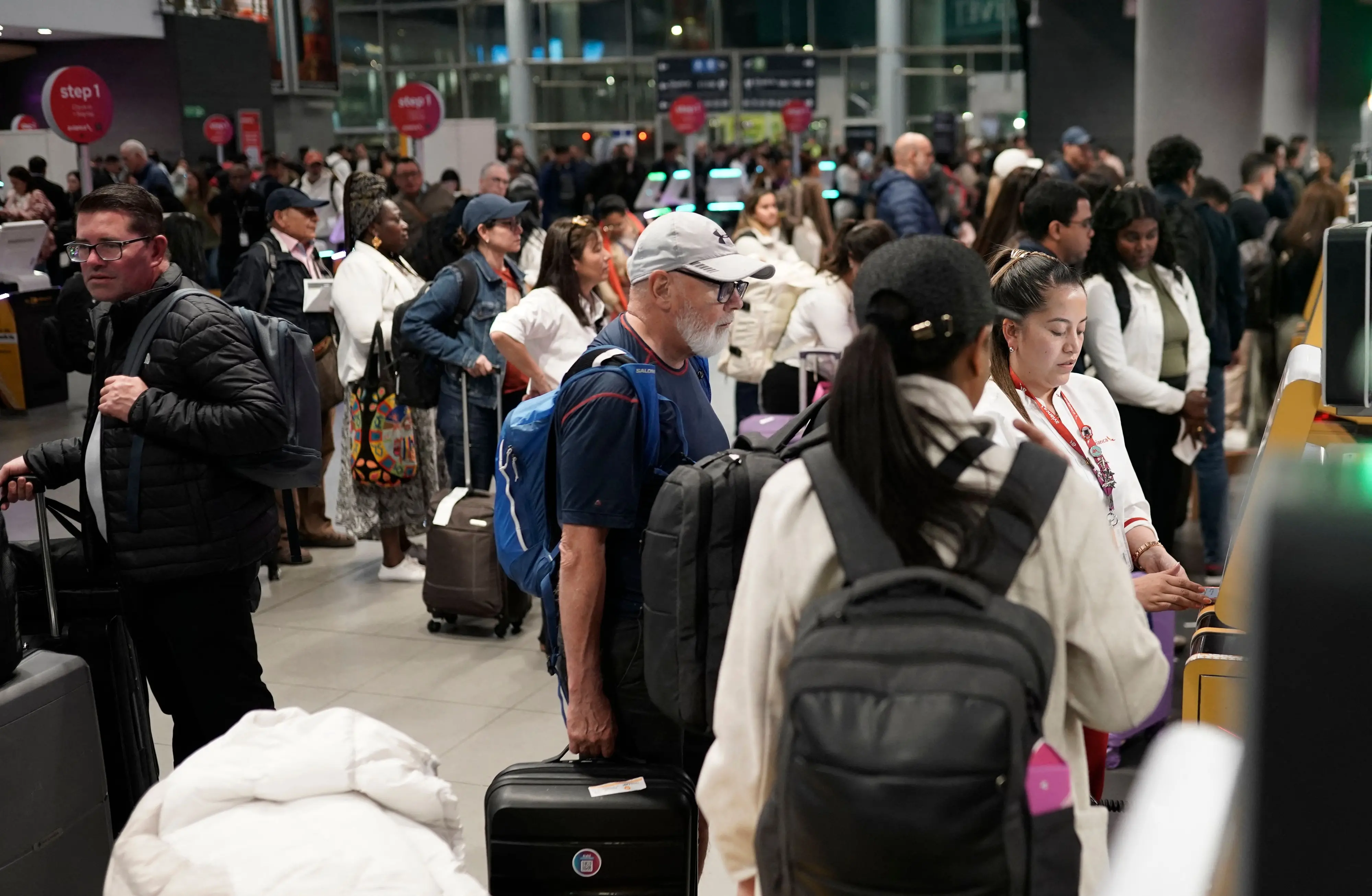
Airlines around the world cancelled and delayed flights over the weekend as a software problem affecting Airbus A320 aircraft prompted urgent updates to prevent potential flight-control issues.
The action comes after an analysis suggested that computer code may have contributed to a sudden drop in altitude of a JetBlue flight last month.
What is the issue?
The problem stems from a software update on the A320 family that, under conditions of intense solar radiation, can corrupt data critical to the plane’s flight-control systems. This issue was linked to the sudden altitude drop of a JetBlue aircraft on October 30 and prompted safety directives and global flight disruptions while fixes were implemented.
The European Union Aviation Safety Agency (EASA) issued a directive requiring operators to address the problem, warning it could cause “short-term disruption” to schedules. The issue was traced to a recent software update to onboard computers.
In Japan, All Nippon Airways, which operates more than 30 A320 aircraft, cancelled 65 domestic flights on Saturday and said further cancellations on Sunday were possible.
American Airlines, which has about 480 planes in the A320 family, said 209 were affected. The airline said the software fix takes about two hours per plane and should be completed for the majority of aircraft on Friday, with a few finishing on Saturday. The airline noted that safety remains its overriding priority, although some delays are expected.
Delta said fewer than 50 of its A321neo aircraft are affected. United Airlines reported six impacted planes and minor flight disruptions. Hawaiian Airlines said its fleet is unaffected.
Mike Stengel, a partner at aerospace consultancy AeroDynamic Advisory, said the updates could be completed between flights or during overnight checks.
“Definitely not ideal for this to be happening on a very ubiquitous aircraft on a busy holiday weekend,” he said from Ann Arbor, Michigan.
“Although again, the silver lining is that it should only take a few hours to update the software.”
In Australia, the software update created major travel disruptions. Jetstar Airways cancelled or delayed about 90 flights while updating 34 planes. Qantas said its services were unaffected.
Melbourne Airport faced additional challenges after a terminal fire overnight. Jetstar chief pilot Tyrone Simes told Xinhua news agency:
“I think the authorities in Europe and the manufacturer have done a great job in identifying this issue very promptly.”
Melbourne Airport’s Chief of Aviation, Jim Parashos, said, “We have engineers taking a look at the aircraft on the ground, and we will get them on their way as soon as we can.”
Sydney Airport advised travellers to check flight status before heading to the airport, saying it was “supporting Jetstar as they work to resolve the issue.”