Who will replace Khamenei? Mojtaba Khamenei emerges in Iran succession debate
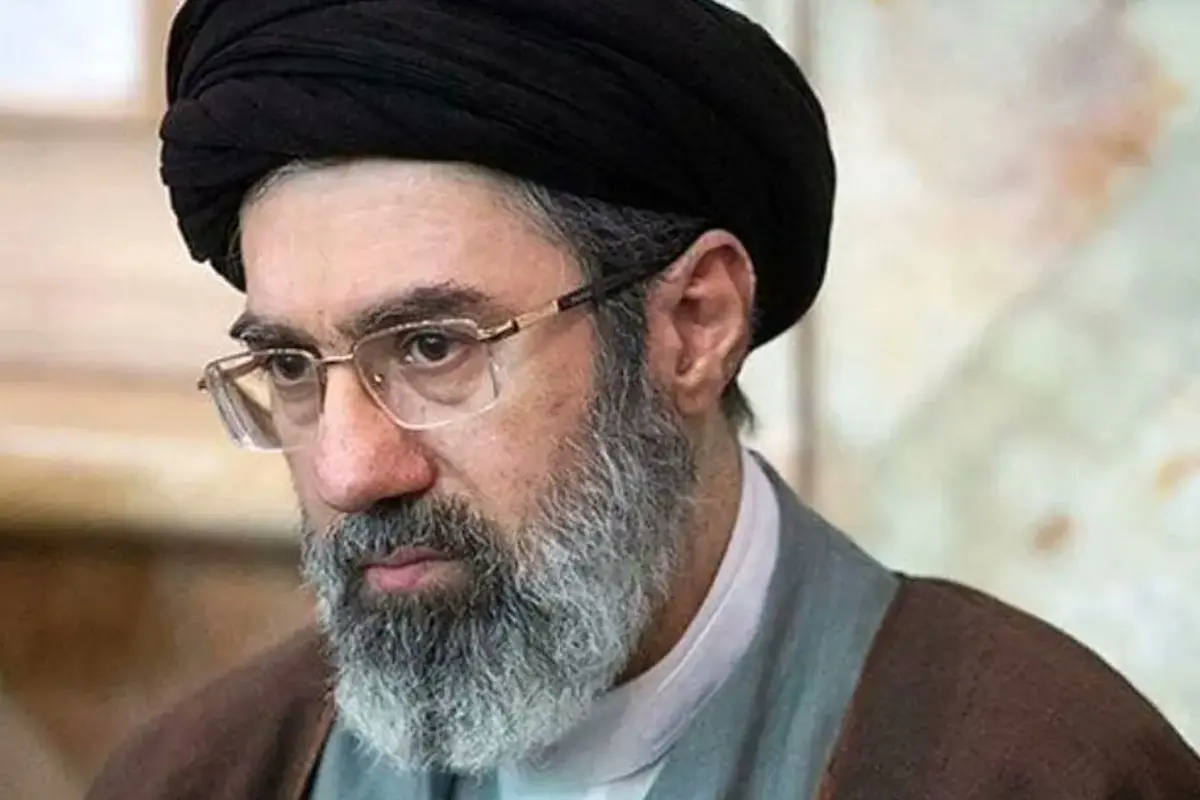
Dubai: The death of Iran’s Supreme Leader Ayatollah Ali Khamenei has thrust the opaque succession process into focus, with attention centring on his son, cleric Mojtaba Khamenei, as a possible, though controversial, contender for the country’s highest post.
How is a new Supreme Leader chosen?
In Iran’s theocratic system, the Supreme Leader holds ultimate authority over the state, armed forces and the powerful Islamic Revolutionary Guard Corps (IRGC). The successor is appointed by the 88-member Assembly of Experts — a body of Shiite clerics elected every eight years whose candidates are vetted by the Guardian Council.
Also read | ‘Erased from history’: Exiled Iranian crown prince Reza Pahlavi declares end of the Islamic Republic
Iranian law requires the assembly to select a new leader “as soon as possible.” Until then, a temporary leadership council assumes the role. According to state media, the council would include President Masoud Pezeshkian, judiciary chief Gholamhossein Mohseni Ejei and a Guardian Council jurist chosen by the Expediency Council.
Why is Mojtaba Khamenei being discussed?
With former president Ebrahim Raisi, once widely seen as a potential successor, killed in a 2024 helicopter crash, Mojtaba Khamenei has emerged in speculation as a possible candidate.
Also read | ‘Most-intense offensive operation’ shortly, says IRGC after Khamenei’s killing
The 56-year-old cleric has never held a formal government office but is believed by analysts to wield influence behind the scenes, particularly within the IRGC and conservative religious networks. His proximity to his father and ties to hard-line factions have fuelled perceptions that he could command institutional backing in a closed-door selection process.
Would a father-to-son succession be controversial?
A dynastic transfer of power would be unprecedented in the Islamic Republic and could provoke backlash.
Also read | Did Khamenei die in his office? Reports detail Supreme Leader’s final moments
Critics within Iran, including some supporters of the clerical system, may view such a move as contradicting the revolution’s anti-monarchical ideals that overthrew Shah Mohammad Reza Pahlavi in 1979. A hereditary transition could also deepen public discontent with clerical rule.
Also read | Dubai Airport, Burj Al Arab damaged in Iranian strikes: What happened overnight
How secretive is the process?
Deliberations within the Assembly of Experts are conducted entirely behind closed doors, making it difficult to identify clear frontrunners. The body has only overseen one previous transition, in 1989, when Grand Ayatollah Ruhollah Khomeini died and Ali Khamenei was elevated to the position.
While the assembly formally makes the decision, the IRGC’s political and economic influence means its stance could be decisive. The force controls major security and financial networks and has been central to projecting Iran’s regional power through allied groups.
Khamenei dead
Iran's supreme leader Ali Khamenei, whose death was confirmed by state media on Sunday, was a pillar of the country's theocratic system since the Islamic revolution and saw off multiple crises over the decades, remaining defiant to the very end.
US President Donald Trump posted on his Truth Social site that "Khamenei, one of the most evil people in history, is dead" after the United States and Israel launched a massive wave of strikes targeting sites across Iran, including the supreme leader's Tehran compound.
Hours later, Iranian state television announced Khamenei's death, without referring to the attacks on the compound.