Where does Santa live? The global battle for the Claus residence
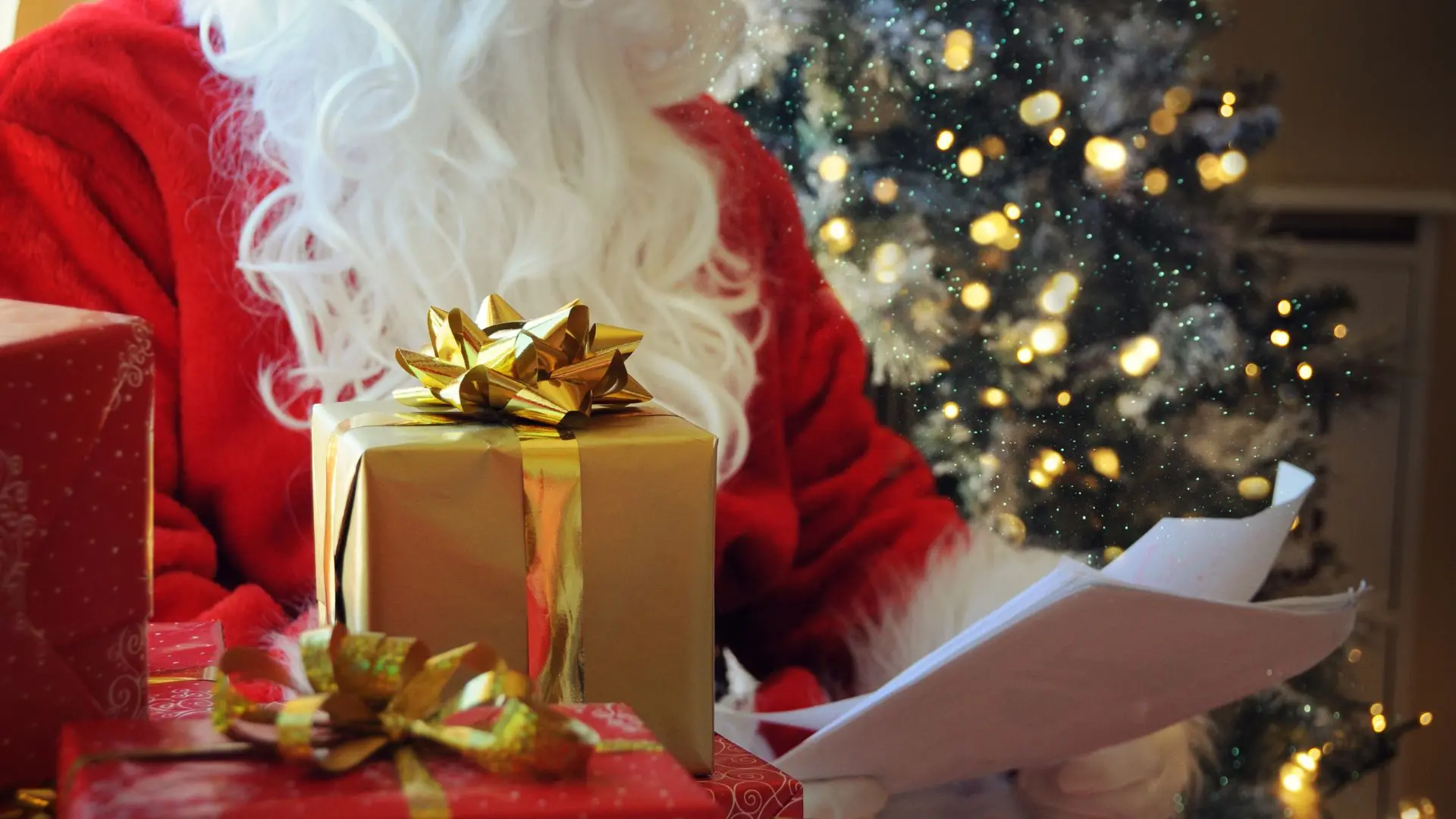
The question of where Santa Claus truly lives has sparked a heated debate, with several countries competing to claim him as one of their own. While Finland, Denmark, Sweden, and Greenland all boast Santa’s ties to their land, the search for Santa’s true home is a mix of folklore, traditions, and modern politics.
Finland’s tourism industry promotes Korvatunturi in Lapland as the official location of Santa’s workshop. This area, with its snowy landscape and reindeer, attracts millions of tourists every year. Similarly, Denmark claims Santa resides in Greenland, while Sweden points to Mora, where the Santaworld theme park celebrates his legacy. These places fit the image of a snowy, winter wonderland and are conveniently close to the North Pole, making them strong contenders in the Santa debate.
However, the origins of Santa’s character are far from jolly. In ancient Finland, a figure called the “nuuttipukki” would visit homes on St. Knut’s Day, demanding gifts and threatening misfortune on families that didn’t comply. Over time, this figure evolved into the gift-giving Joulupukki, who only brought presents to well-behaved children. Similarly, Iceland's Yule Lads also had a reputation for either giving or taking gifts, depending on the behavior of the household.
Santa’s modern image
By the 19th century, the jolly Santa we recognize today began to take shape, thanks to illustrator Thomas Nast. His portrayal of Santa as a cheerful, bearded man with a sleigh, reindeer, and presents became widely accepted. However, Nast’s illustrations only depicted Santa in a wintry landscape, leaving his actual location ambiguous. The North Pole became a popular choice, although it wasn’t until 1926 that explorers officially reached the region.
The North Pole’s association with Santa is bolstered by ancient Finnish and Scandinavian mythologies, which give these countries a historical claim to Santa’s residence. However, other nations have gotten involved in the debate. For instance, Canada has made efforts to ensure Santa’s travels through Canadian airspace, even issuing Santa and his wife Canadian passports in 2013. This playful gesture also aligned with political disputes over Arctic regions and Canadian territorial claims.
A warmer, more Eastern origin
Despite the cold and snowy image of Santa’s home, the true origin of the Santa Claus legend may be far warmer and further east than many realize. Santa Claus comes from the name Sinterklaas, derived from Saint Nicholas, the Christian bishop of Myra (modern-day Demre in Turkey). Saint Nicholas was known for his generosity towards children, which led to his association with gift-giving.
Saint Nicholas’s story is tied to locations in Anatolia (modern-day Turkey), including Smyrna (now Izmir) and Myra. These regions argue over their connection to the legendary figure. In 2017, archaeologists uncovered what is believed to be the burial place of Saint Nicholas beneath the Church of Saint Nicholas in Turkey. While not as festive as reindeer or snow, this discovery offers an authentic link to the man behind the Santa myth, giving Turkey a legitimate claim to Santa's origins.
Santa Claus’s home may remain a mystery, with various countries vying for the title of his birthplace. From Finland’s snowy Lapland to the warm, historic lands of Turkey, the story of Santa Claus is a complex mix of folklore, legend, and modern-day politics. However, one thing is clear: wherever he lives, Santa continues to spread joy and cheer across the world.
Agency