What is the New World screwworm fly and why has the US closed its border to Mexican livestock again?
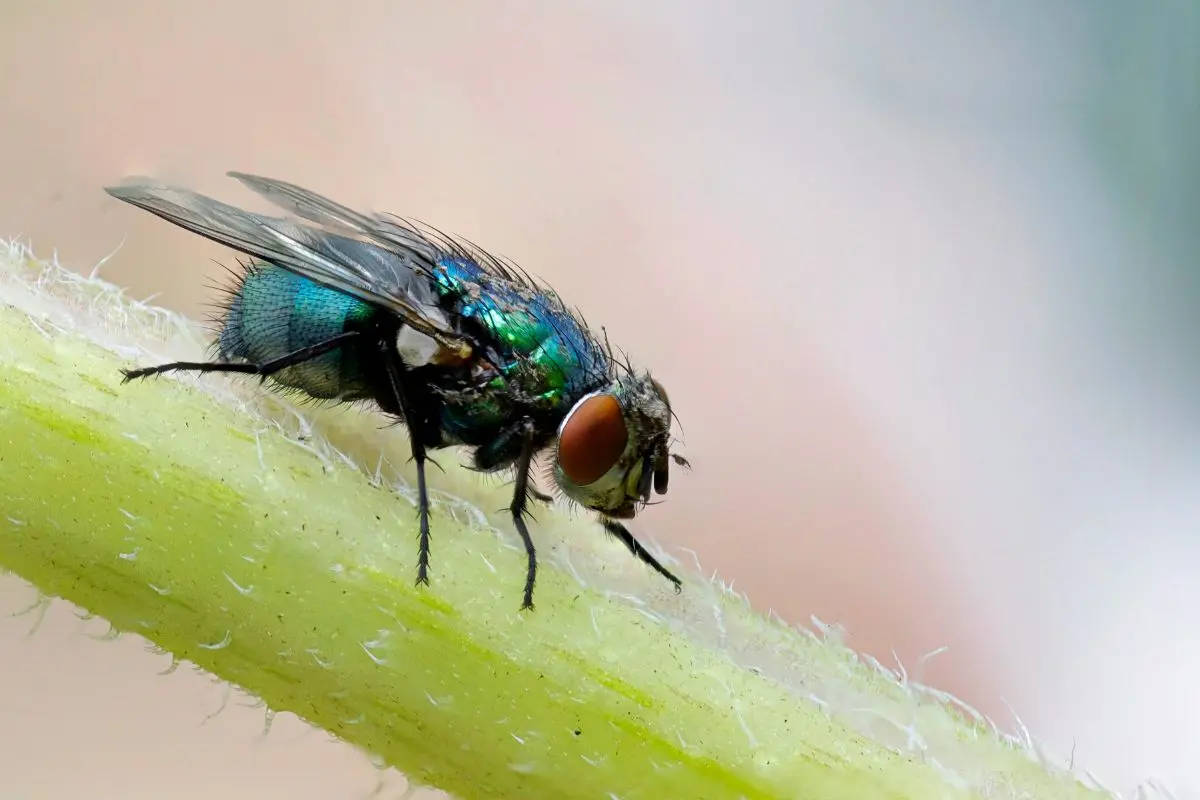
The United States has once again closed its southern border to livestock imports from Mexico, citing an escalating threat from the New World screwworm fly, a flesh-eating parasite that has advanced further north than previously reported.
The move comes after a newly confirmed infestation in Mexico’s Veracruz state placed the parasitic insect about 370 miles (595 kilometres) south of the Texas border. That’s nearly 160 miles (258 kilometres) farther north than earlier detections, signalling a troubling spread of the pest.
Growing concerns prompt renewed border closures
In a statement released Wednesday, US Department of Agriculture Secretary Brooke Rollins said: “The United States has promised to be vigilant. Thanks to the aggressive monitoring by USDA staff in the US and in Mexico, we have been able to take quick and decisive action to respond to the spread of this deadly pest.”
The US had initially closed the border to imports of live cattle, horses, and bison in May, but later announced plans to gradually reopen five ports of entry, with three expected to resume operations in July and two more by mid-September. Those plans have now been suspended due to the latest confirmed screwworm case.
Rollins added: “We must see additional progress combating NWS in Veracruz and other nearby Mexican states in order to reopen livestock ports along the southern border.”
Mexico criticises decision, reports decline in cases
In response to the renewed closure, Mexican President Claudia Sheinbaum pushed back, saying the move was unwarranted. “From our point of view, they took a totally exaggerated decision to closing the border again,” she said, while affirming that authorities in Mexico were following all protocols to contain the outbreak.
Mexico’s agriculture department also reported that the number of infected animals had decreased by nearly 19% since 24 June, with 392 current cases under treatment or observation.
What is the New World screwworm fly?
The New World screwworm fly (Cochliomyia hominivorax) is a parasitic insect that poses a serious threat to livestock and occasionally humans. Unlike most flies, its larvae feed on live flesh rather than decaying material. The adult female lays eggs in open wounds of warm-blooded animals, and when the larvae hatch, they burrow into the living tissue, causing a condition known as myiasis.
According to the US Centers for Disease Control and Prevention (CDC), the parasite can affect not just animals such as cattle and bison, but also humans. Treatment typically involves physical removal of the larvae and, in severe cases, surgery.
While rare in the US today, the pest remains endemic in several regions of South America and the Caribbean.
Historical background and current threat
The New World screwworm was once widespread in the southeastern US, where it was first identified in 1933. However, it was successfully eradicated from the country by the 1970s through the sterile insect technique, a method involving the mass release of sterilised male flies that mate with wild females, rendering their eggs nonviable.
The parasite remained contained in Panama for years, thanks to international cooperation. But in November 2024, it re-emerged in southern Mexico, prompting immediate concern among US agricultural authorities.
The latest detection in Veracruz, just 185 miles northeast of Mexico City, has amplified fears that the fly could reach Texas, triggering potentially devastating economic consequences for the American livestock industry.
New eradication plans and funding
In June, Secretary Rollins announced a $30 million plan to strengthen containment efforts. This includes the construction of a new fly production facility in South Texas, expected to begin operations by year’s end, and a supplementary facility in southern Mexico by July 2026.
The USDA is also expanding sterile fly dispersal programmes by importing sterile males from Panama and holding them at a Texas site for potential release near the border.
In a parallel effort, US Representatives Tony Gonzalez of Texas and Kat McCammack of Florida have urged the Trump administration to expedite approval for existing anti-parasite treatments for livestock. They argue that current labelling restrictions are slowing response efforts to the New World screwworm threat.
(With inputs from AP)