What is Antifa? The anti-fascist movement under fire from Trump | EXPLAINER
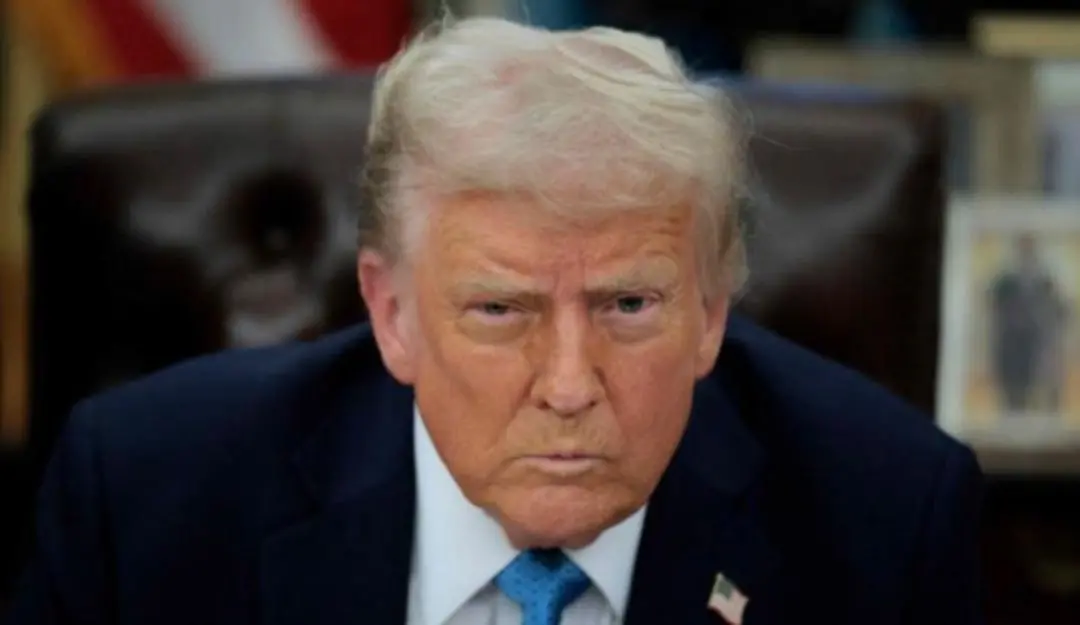
Days after the assassination of conservative activist and close Trump ally Charlie Kirk, U.S. President Donald Trump announced that he is designating the left-wing movement antifa as “a major terrorist organization.” He also warned that those funding the group would be investigated “with the highest legal standards and practices.”
What is Antifa?
Antifa (short for "anti-fascist") is a loosely affiliated network of radical activists who oppose racism, far-right ideologies, and what they define as fascism.
Historical roots
Antifa’s origins lie in historical anti-fascist movements that opposed authoritarian regimes and white nationalist groups. Today, Antifa activists focus on resisting far-right extremism, authoritarianism, homophobia, xenophobia, and racism. Many members also reject capitalism and offer broad critiques of government systems.
Unlike traditional political organizations, Antifa is not a formal group with centralized leadership; instead, it operates as a loosely connected movement where individuals and small autonomous groups organize independently, often coordinating through social media or encrypted communication channels.
How does Antifa operate?
Antifa employs a wide range of tactics, from peaceful opposition to far-right rallies to more direct actions that sometimes involve property damage and physical confrontations.
Their common activities include researching and publicly exposing far-right organizers ("doxxing"), organizing counter-protests at right-wing events, and occasionally engaging in physical clashes with opposing groups.
Members often wear black clothing and face coverings to conceal their identities and protect themselves. While there have been rare instances involving homemade weapons or explosives, most Antifa activism focuses on nonviolent efforts like online research, community organizing, and coordinating protests.
Antifa in the US
Antifa gained national attention after the violent 2017 clashes in Charlottesville, Virginia, between white supremacists and counter-protesters. Since then, Antifa supporters have been active in various demonstrations, often clashing with far-right groups.
Notable incidents include confrontations at a neo-Nazi rally in Sacramento in 2016 and violent protests at UC Berkeley in early 2017.
The movement received major attention during and after the Black Lives Matter protests following the killing of George Floyd in May 2020 by a Minneapolis police officer. While most protests were peaceful, some saw outbreaks of violence, property damage, and looting. Afterward, political leaders and media frequently singled out Antifa as a key instigator of violent acts during these protests.
Controversial actions
Some Antifa-linked individuals have used violent tactics during protests. In July 2019, a self-proclaimed Antifa supporter attempted to bomb a U.S. immigration facility in Tacoma, Washington, and was killed by police. Despite these incidents, law enforcement agencies like the FBI have described Antifa more as an ideology than an organisation, making it difficult to formally designate as a terrorist group under U.S. law.
Trump’s stance
Trump has repeatedly blamed Antifa for various violent acts and unrest. On Thursday, he announced that Antifa would be designated as "a major terrorist organisation" and warned that those funding it would be investigated.
The announcement came shortly after the assassination of Charlie Kirk, a close Trump ally and right-wing activist.
Despite Trump’s declaration, Antifa’s lack of central organization and formal hierarchy complicates its designation as a terrorist group. In 2020, then-FBI Director Christopher Wray stated that Antifa is an ideology, not an organisation—a distinction that limits the federal government's ability to label it as a terror group in the traditional sense.