‘Be very careful with children and the elderly’: Twin earthquakes plunge Venezuela into emergency
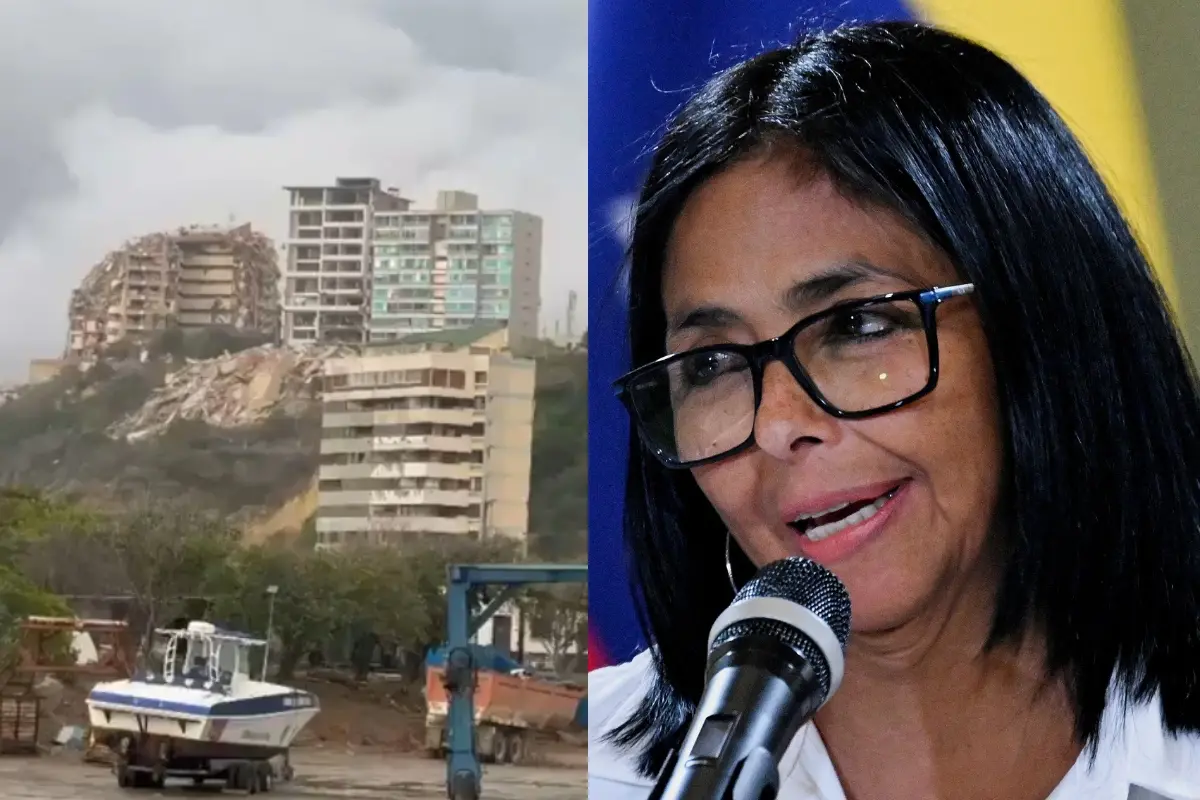
Caracas: Venezuela's acting President Delcy Rodríguez declared a state of emergency on Wednesday after two powerful earthquakes struck the country within minutes of each other, causing widespread damage, shutting down the nation's main airport and triggering a major rescue operation.
The earthquakes, measuring 7.2 and 7.5 in magnitude, rattled large parts of Venezuela, including the capital Caracas, where buildings collapsed and residents fled into the streets in panic. The twin tremors were followed by more than 20 aftershocks, prompting authorities to activate emergency protocols across affected regions.
State of emergency declared
As damage reports poured in from across the country, Rodríguez announced emergency measures and prepared to address the nation.
"Shortly I will address Venezuelans to report on the situation following the strong earthquake that has affected our country," Rodríguez said in a statement posted on social media.
Later, the government declared a state of emergency and ordered the closure of Maiquetía International Airport after officials reported significant damage to airport infrastructure.
The emergency declaration allows authorities to mobilise additional resources, coordinate rescue efforts and accelerate disaster-response operations in the affected areas.
Airport closed and rescue efforts underway
Officials confirmed that Venezuela's main international airport would remain closed while engineers inspect runways, terminals and other critical infrastructure.
Emergency crews were deployed to search damaged buildings and assist residents affected by the earthquakes. Several roads were blocked by debris, while power outages and telecommunications disruptions complicated rescue operations in some regions.
Interior Minister Diosdado Cabello urged residents to remain cautious as aftershocks continued to shake the country.
"We understand that some people may be desperate, but we are acting according to protocols to activate aid and rescue efforts to help those who need it most," Cabello said on state television.
He also warned citizens to avoid damaged structures, saying, "Be very careful with children and the elderly; call each other and check that no one has been harmed."
Casualty concerns grow
The United States Geological Survey warned that the earthquakes could result in significant casualties and extensive damage.
"High casualties and extensive damage are probable and the disaster is likely widespread," the agency said in its preliminary assessment.
Authorities had not released a confirmed death toll at the time of reporting, but rescue teams continued to search collapsed structures amid fears that people could be trapped beneath the rubble.
https://x.com/volcaholic1/status/2069918334573842790
Opposition and international leaders react
Venezuelan opposition leader Edmundo González criticised the lack of immediate official information following the disaster.
"Two consecutive earthquakes have caused significant damage in Venezuela. Collapsed structures. Panic in the streets. Two hours later, we still don't know if there are victims or fatalities," González wrote on social media.
Opposition leader María Corina Machado also called for unity, saying, "My heart, my infinite embrace, and my prayers are with every Venezuelan home in these hours of anguish."
Meanwhile, El Salvador President Nayib Bukele expressed solidarity with Venezuela, stating: "Our hearts are with the people of Venezuela during these difficult times. We send them all our solidarity and our prayers."
The twin earthquakes rank among the strongest to strike Venezuela in more than a century. Tremors were felt not only across Venezuela but also in neighbouring Colombia and parts of Brazil, leading to evacuations and emergency checks.
With aftershocks continuing and damage assessments still underway, authorities face a major challenge in determining the full scale of the disaster and coordinating recovery efforts across the country.