‘One of the biggest upside risks from 2026’: JP Morgan warns of Venezuela oil surge
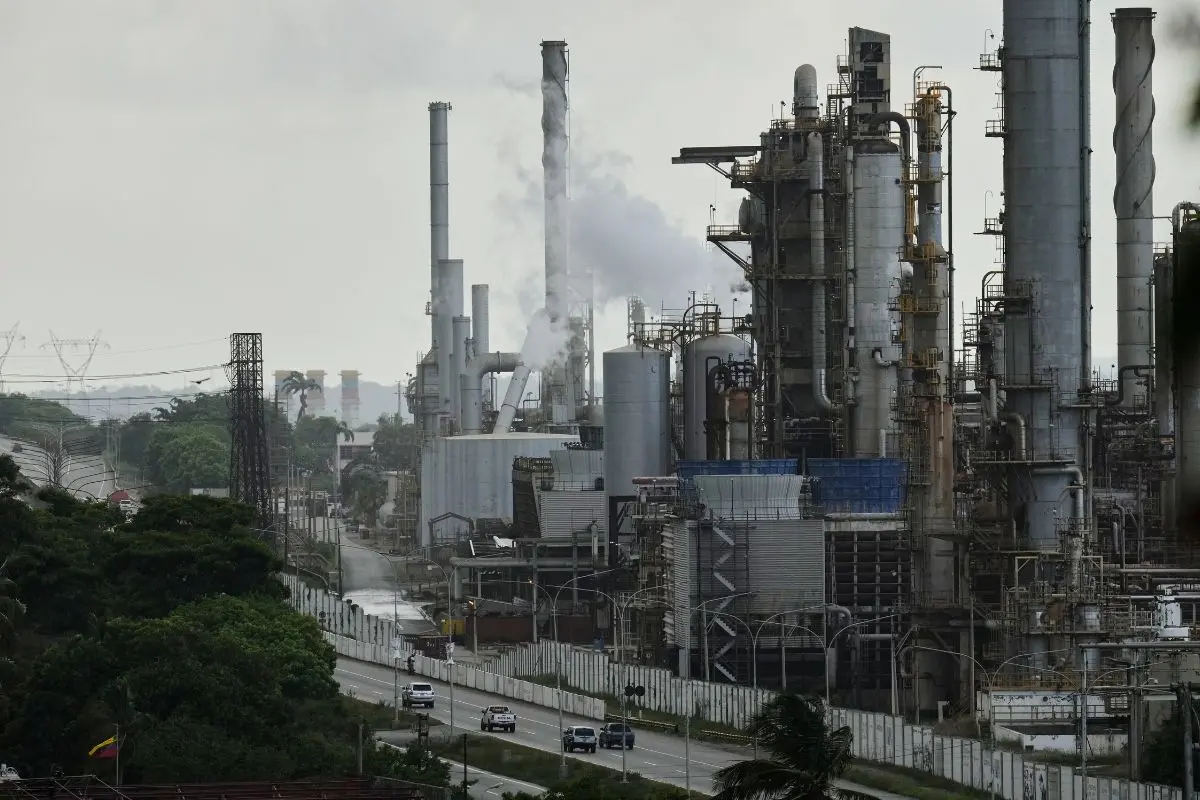
London: Venezuela could become one of the world’s largest sources of new oil supply over the next decade if it undergoes a political transition, potentially reshaping global energy markets and keeping oil prices lower for longer, according to a new report by JPMorgan.
In its latest Oil Markets Weekly, the investment bank said a regime change in Venezuela would represent one of the biggest upside risks to global oil supply from 2026 onwards — a scenario that is not currently reflected in oil market pricing.
JPMorgan estimates that Venezuelan crude production, currently around 750,000 to 800,000 barrels per day, could rise to 1.3–1.4 million barrels per day within two years of a political transition. With sustained investment, output could climb to as much as 2.5 million barrels per day over the next decade. By comparison, Venezuela’s oil production peaked at about 3.5 million barrels per day in the 1990s.
US signals renewed engagement
The report follows remarks by US President Donald Trump, who announced that Venezuela’s interim authorities would transfer between 30 million and 50 million barrels of sanctioned oil to the United States.
“I am pleased to announce that the Interim Authorities in Venezuela will be turning over between 30 and 50 MILLION Barrels of High Quality, Sanctioned Oil, to the United States of America,” Trump wrote on Truth Social. He said the oil would be sold at market prices, with the proceeds controlled by the US President to ensure the funds benefit both Venezuela and the United States.
Trump added that he had instructed Energy Secretary Chris Wright to execute the plan immediately, with the oil transported by storage vessels and delivered directly to US unloading docks.
Investment and risks ahead
JPMorgan said renewed US engagement could be critical to a recovery in Venezuela’s oil sector, which has been weakened by years of sanctions, underinvestment and deteriorating infrastructure. Senior US officials have reportedly been tasked with encouraging American energy companies to return to the country.
The bank said US oil majors such as Chevron, ExxonMobil and ConocoPhillips could seek to re-enter Venezuela if political stability improves and contractual frameworks are reset. European companies including Spain’s Repsol and Italy’s Eni, as well as firms from India and neighbouring Latin American countries, could also return if sanctions and payment disputes are resolved.
In the short term, however, JPMorgan warned that a political transition could disrupt production. Drawing on past experience, it said output could temporarily fall by as much as 50 per cent due to labour disruptions, operational shutdowns or uncertainty within state oil company PDVSA. Any such decline would likely be short-lived, with production rebounding once investment and operations stabilise.
Global implications
Beyond supply volumes, the bank highlighted the broader geopolitical impact of a Venezuelan oil revival. Venezuela holds the world’s largest proven oil reserves, estimated at more than 300 billion barrels. Combined with rising production in Guyana and existing US reserves, the Western Hemisphere could account for about 30 per cent of global oil reserves under US influence.
Such a shift could give Washington greater leverage over global oil markets and strengthen US energy security, potentially keeping prices in historically lower ranges over the medium to long term. JPMorgan noted that these risks are not priced into longer-dated oil futures, suggesting markets may be underestimating the scale of potential supply growth.
The bank maintains a broadly bearish outlook for oil prices, forecasting Brent crude to average in the low $60s per barrel in 2026, citing rising non-OPEC supply and the possibility of additional Venezuelan barrels entering the market.