‘Whenever they want’: Maduro pivots to diplomacy as US military pressure hits land
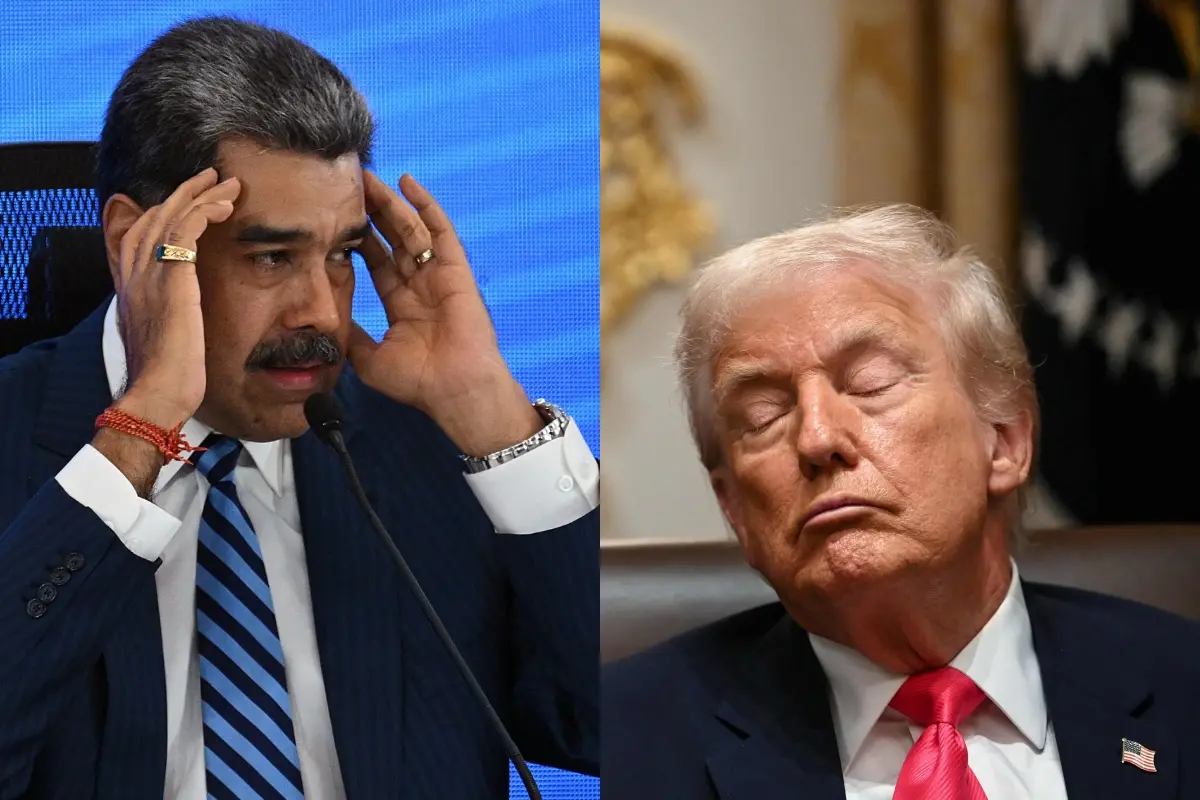
Caracas: President Nicolás Maduro avoided confirming or denying a reported U.S. strike on a Venezuelan maritime facility during a Thursday address, but stated he is prepared to resume cooperation with Washington following weeks of intense American military activity.
In a televised interview on state media, Maduro signalled his openness to restarting a dialogue with the United States regarding energy production, migration, and drug interdiction efforts.
"Wherever they want and whenever they want," Maduro said of the prospect of high-level talks.
The Venezuelan leader’s comments come in the wake of claims made Monday by U.S. President Donald Trump, who announced that American forces had targeted and destroyed a docking area allegedly used by narcotics traffickers along the Venezuelan coast. To date, the Maduro administration has not officially acknowledged a land-based strike within its territory.
When pressed for a direct confirmation or denial of the explosion, Maduro demurred. "This could be something we talk about in a few days," he said.
If verified, the operation would represent the first known land-based strike of the current U.S. military campaign aimed at disrupting drug trafficking routes in Latin America.
Speaking to reporters at his Mar-a-Lago resort in Florida on Monday, Trump described a "major explosion in the dock area where they load the boats up with drugs."
While he declined to specify the exact location or whether the mission was carried out by the military or the CIA, Trump characterised the site as an "implementation area" for smugglers. "So we hit all the boats, and now we hit the area... and that is no longer around," he added.
For several weeks, the Trump administration has signalled that ground operations against regional cartels were imminent. Since September, U.S. forces have conducted numerous kinetic strikes against vessels in the Caribbean Sea and eastern Pacific Ocean.
However, the lack of public evidence connecting the targeted boats to criminal activity has fueled a growing international debate. Human rights organisations and legal experts have argued the operations may constitute extrajudicial killings, a characterisation Washington has repeatedly rejected, maintaining the strikes are a necessary component of its anti-narcotics strategy.
With inputs from AFP