H-1B visa crackdown: US revokes multiple visas at major IT firm over ‘low’ wage classifications
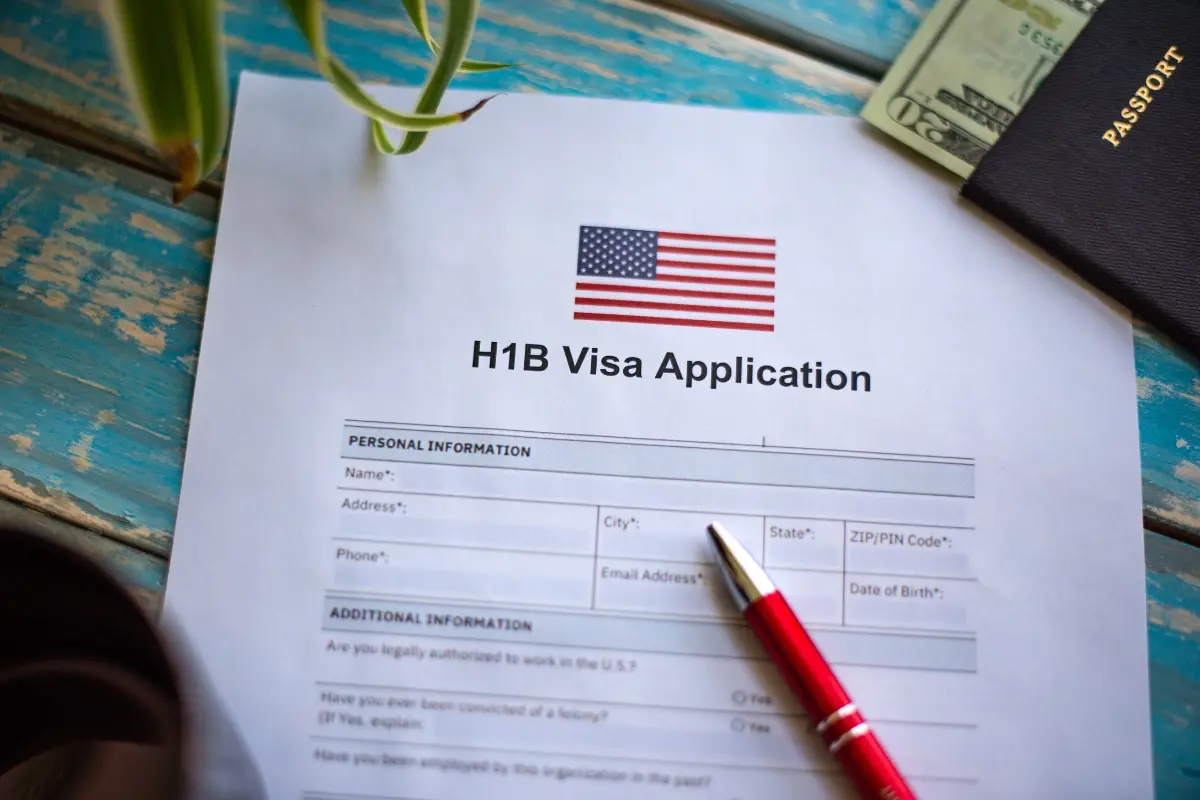
Washington DC: The US Citizenship and Immigration Services (USCIS) has denied and revoked multiple H-1B petitions linked to a major IT consulting company after identifying skilled technology positions that were classified at wage levels below those supported by the jobs' duties and requirements. The action signals increased scrutiny of how employers classify H-1B positions and comply with wage requirements.
USCIS flags low wage classifications
USCIS said its Vermont office identified H-1B petitions in which skilled technology positions had been assigned wage levels that did not match the duties and requirements of the jobs.
The agency said such practices can undercut required wages and create what it described as unfair competition for US workers. The affected petitions were subsequently denied or revoked.
USCIS did not name the IT consulting company involved. It also did not disclose how many petitions were affected or identify the specific technology occupations involved.
The enforcement action was announced by USCIS on September 5 as part of its broader efforts to scrutinise employment-based immigration programmes.
Why wage levels matter in H-1B cases
H-1B employers are required to meet applicable wage requirements for workers employed in specialty occupations. Wage classifications take into account factors including the occupation, experience and requirements associated with a particular position.
The latest USCIS action highlights the importance of consistency between the job described in an H-1B petition and the wage level assigned to that position.
If a position requires a higher level of skill, experience or responsibility but is classified at a lower wage level, it can attract scrutiny from immigration authorities.
Indian workers particularly exposed to H-1B changes
The development is significant for Indian technology professionals because Indian-born beneficiaries represent the largest share of approved H-1B beneficiaries.
According to USCIS data cited in the material, 283,397 approved H-1B beneficiaries in fiscal year 2024 were born in India, accounting for about 71% of all approved beneficiaries.
However, the latest enforcement action does not mean that all Indian H-1B workers or all employees of IT consulting companies are facing visa revocations.
Instead, it demonstrates that USCIS is examining whether the duties, requirements and wage classifications stated in individual petitions are consistent.
What happens when an H-1B petition is revoked?
A denial or revocation can have consequences for an affected foreign worker's immigration status and employment, depending on the circumstances of the individual case.
Workers may have legal options or other immigration pathways available to them, but the consequences can vary depending on the status of the petition and the worker's circumstances.
The USCIS announcement did not provide details about the individual employees affected by the enforcement action.
Trump administration increases H-1B scrutiny
The USCIS action comes amid wider efforts by the Trump administration to increase scrutiny of employment-based immigration and the H-1B programme.
The administration has also proposed a $103,265 filing fee for H-1B visas issued to skilled foreign workers in the US, according to the material provided.
The proposed fee would represent another significant change to the programme, although the proposal and its exemptions would be subject to the applicable legal and administrative process.
The administration has previously argued that the H-1B programme can be abused to replace American workers with lower-paid foreign workers and has raised concerns about employers artificially suppressing wages.
Immigration experts and economists, however, have argued that the effects of H-1B employment on US workers and wages are more complicated.
Do H-1B workers take jobs away from Americans?
Research cited in the material suggests there is no simple answer to whether H-1B workers broadly displace US workers.
Britta Glennon, an assistant professor of management at the University of Pennsylvania's Wharton School, said research generally indicates that foreign workers can complement rather than simply replace US workers.
According to the analysis, foreign workers also contribute to local economies by purchasing goods and services, creating demand for other jobs.
At the same time, Jennifer Hunt, an economics professor at Rutgers University and a former chief economist at the US Labor Department, said the technology sector could experience more concentrated effects.
The concern is particularly relevant to US workers in computer science and related occupations, where competition and wage effects can be more direct.
Why IT outsourcing companies face particular attention
The H-1B programme has long been important to technology companies and IT services businesses, including firms that provide consulting and outsourcing services.
The latest USCIS enforcement action focuses specifically on the classification of skilled technology positions at an IT consulting company.
Experts cited in the material noted that some outsourcing firms bring foreign IT workers to the US to work for client companies on a contractual basis. However, researchers have also pointed out that there is limited evidence allowing the entire outsourcing sector to be characterised by a single employment model.
H-1B workers can face wage and mobility pressures
Another issue highlighted by economists is that H-1B visas are tied to employment.
That can make changing employers more difficult for foreign workers than for US workers, particularly while they are dependent on their employer for immigration sponsorship.
The situation can be particularly complicated for Indian and Chinese professionals waiting for employment-based green cards, where significant backlogs can extend the period during which workers remain dependent on employment-based immigration.
A 2025 study by the Federal Reserve Bank of Richmond cited in the material found that young, college-educated workers who had recently joined companies that successfully obtained H-1B visas experienced a 4% to 5% wage increase, whether they were US-born or foreign-born.
The study also found that some longer-tenured, young, college-educated US-born employees experienced wage reductions and were more likely to leave their firms after H-1B workers joined.
The researchers nevertheless concluded that a clear majority of existing employees appeared to benefit from exposure to new H-1B colleagues.
What the USCIS action means
The latest enforcement action is important because it shifts attention from the broader political debate over H-1B visas to a specific compliance issue: whether employers are accurately classifying jobs and paying workers according to the requirements of those positions.
For IT consulting companies, the issue could mean greater scrutiny of H-1B petitions where job responsibilities, skill requirements and wage classifications appear inconsistent.
For Indian technology professionals, the action is significant because Indians make up the largest share of H-1B beneficiaries. However, there is currently no indication that USCIS has introduced a blanket restriction on Indian workers or consulting-company employees.
The wider policy direction is nevertheless becoming more restrictive. Increased petition scrutiny, proposed higher fees and enforcement against alleged wage violations could raise the cost and complexity of hiring foreign technology workers in the US.
At the same time, economic research does not support a straightforward conclusion that H-1B workers broadly take jobs away from Americans. The impact varies by occupation, worker experience, company and local labour market.
The central issue for employers is therefore likely to be compliance and documentation: ensuring that the job duties described in an H-1B petition accurately reflect the position and that the selected wage level is properly supported.